

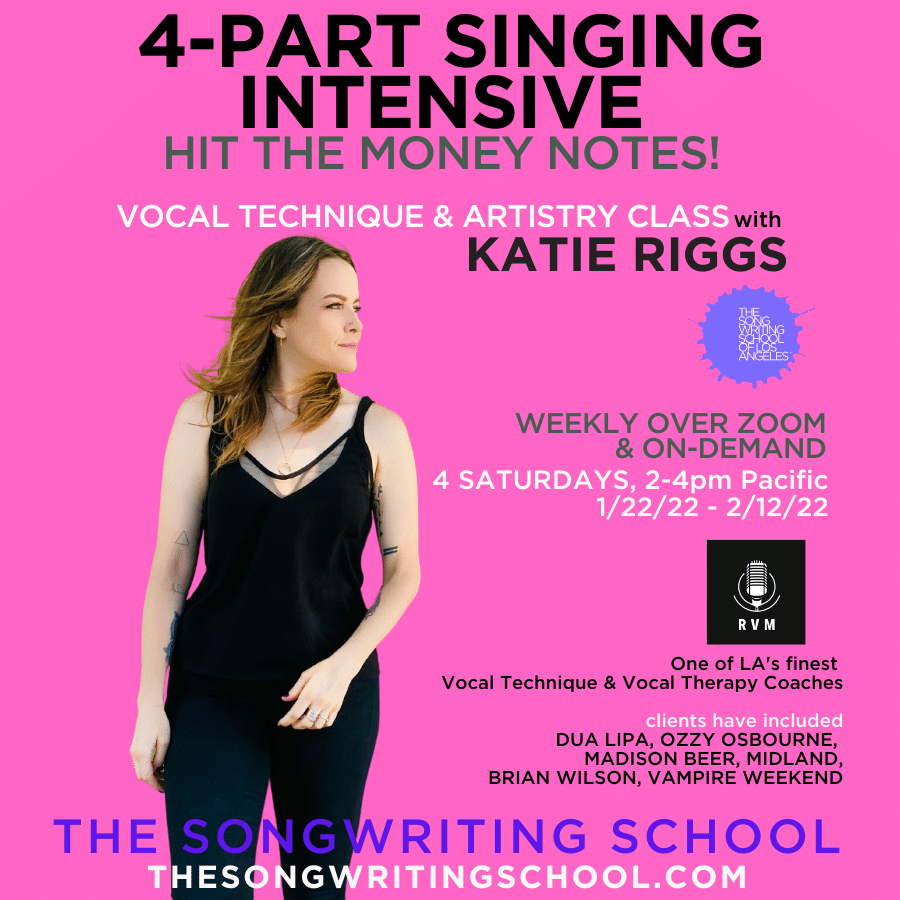
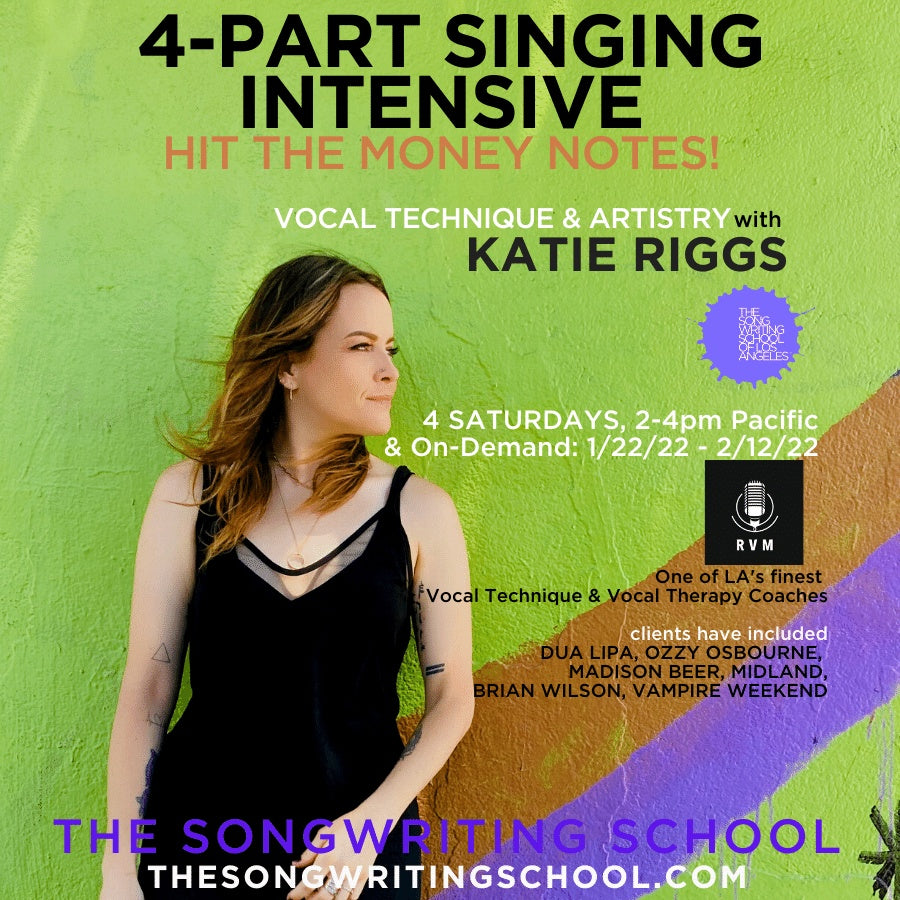
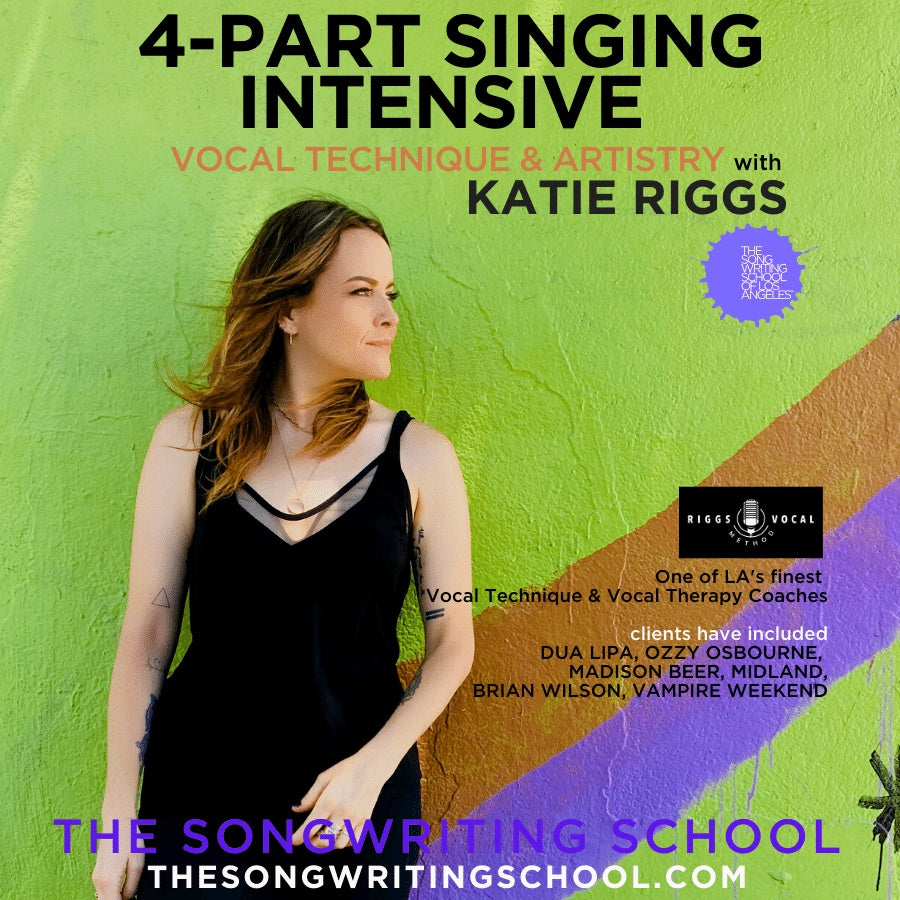
4-PART SINGING INTENSIVE, Hit the Money Notes! with KATIE RIGGS On-Demand Only; Next Live Session TBA!
$ 399.00 $ 499.00
Considered one of LA’s finest Vocal Technique and Vocal Therapy coaches, Katie Riggs has been teaching voice for over twenty years. She brings a wealth of experience to this 4-Part Singing Intensive to help you... View full details

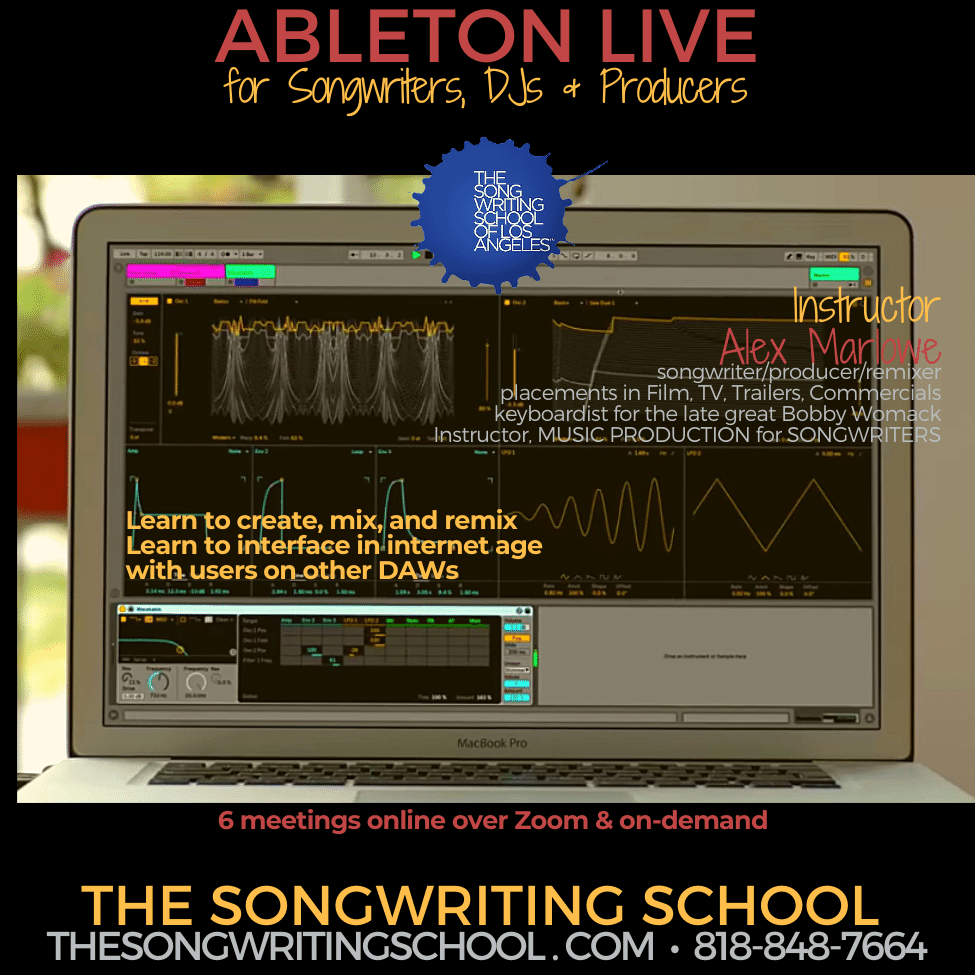
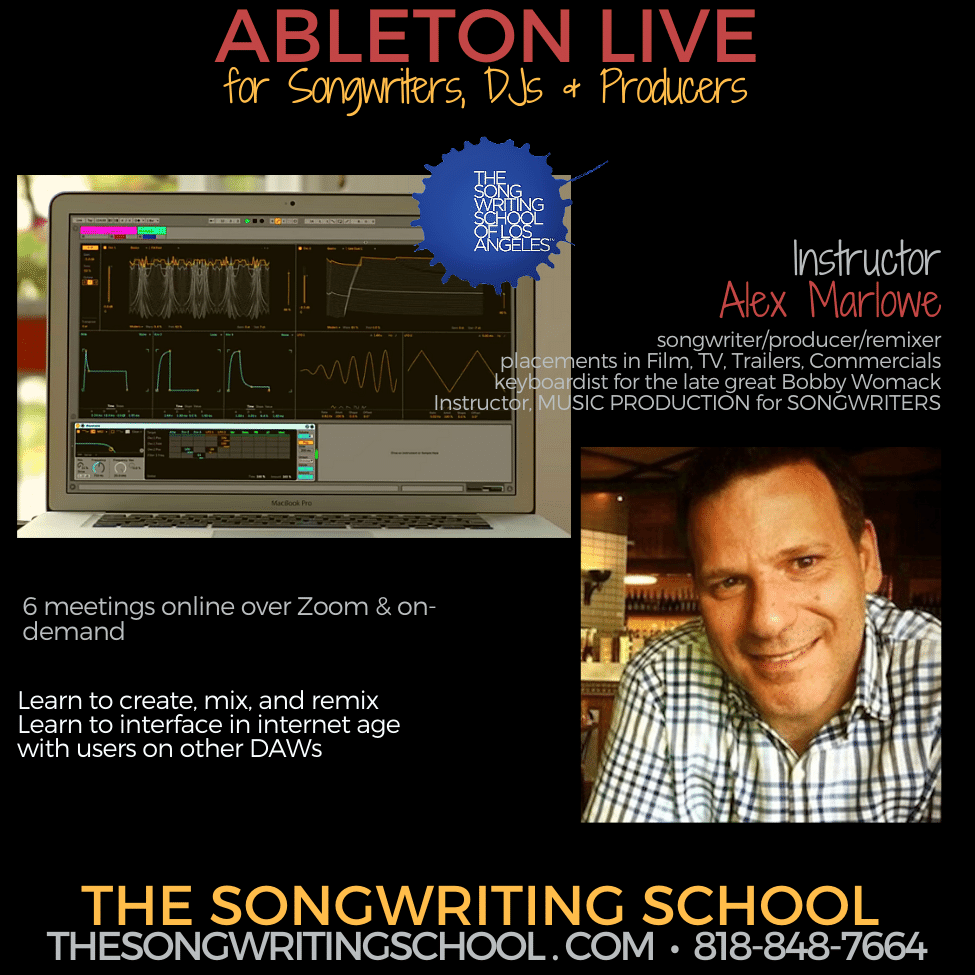
CREATE & RECORD A SONG IN ABLETON LIVE - FALL 2022 Starts WED 11/2/22, 7pm PST - Get Free 90-Day Trial of Live
$ 399.00 $ 499.00
INSTRUCTOR ALEX MARLOWE GIVES AN INTRO TO ABLETON LIVE Learn the PC and Mac-based creating, sampling, and beat-making software Ableton Live, with Instructor Alex Marlowe. Alex will walk you step by step through all... View full details


Gift Certificate for Class Tuition, Private Lessons, or Services
$ 100.00
Let someone you care about know you support them in what they care about: their music! We will issue a PDF gift certificate if you would like one! In the notes portion please leave the following... View full details

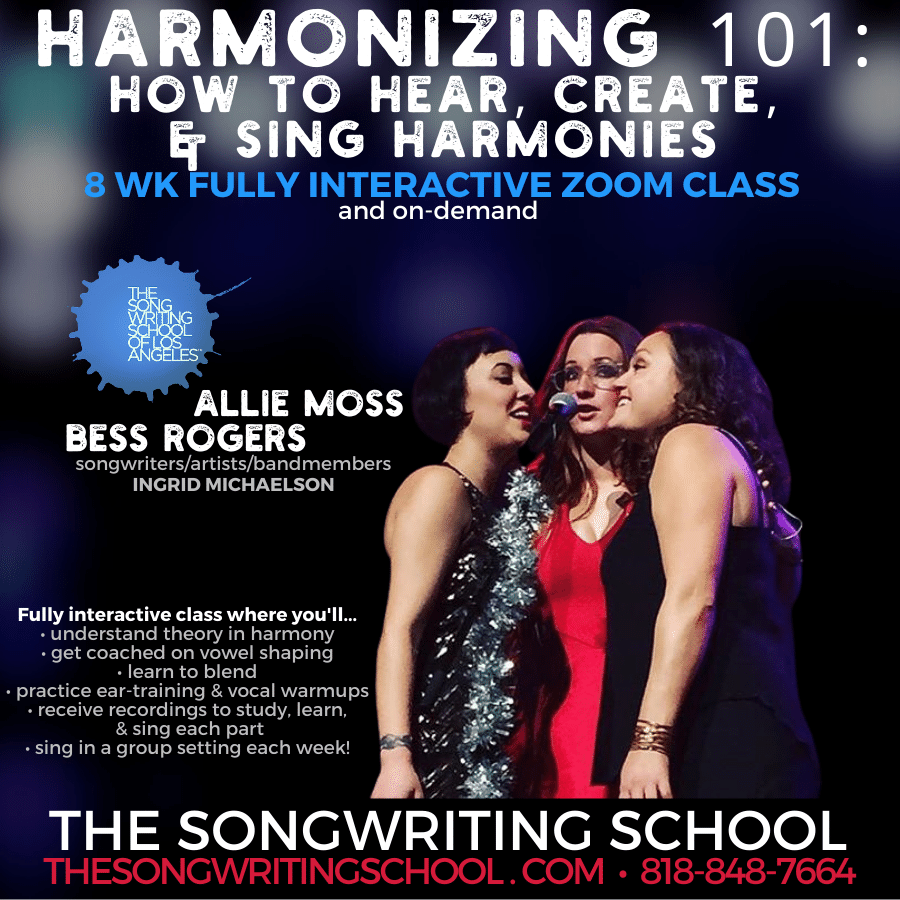
HARMONIZING 101: How to Hear, Create, & Sing Harmony - On-Demand Only Starting Right Away (Includes private session)!
$ 299.00 $ 499.00
In this 8 part class, on-demand with private sessions, you will learn to hear, create, and sing harmony by learning to sing all the parts in 4 different songs--while gaining ear training, vocalization exercises, and... View full details

How Does It Work? Where Do I Start?
Free & Open Event
The most important quality a songwriter can develop is the capacity to ask good questions. You are on your way! KEEP READING, BELOW. Get answers to your questions, Browse course offerings, or click the "CONTACT" button to begin... View full details

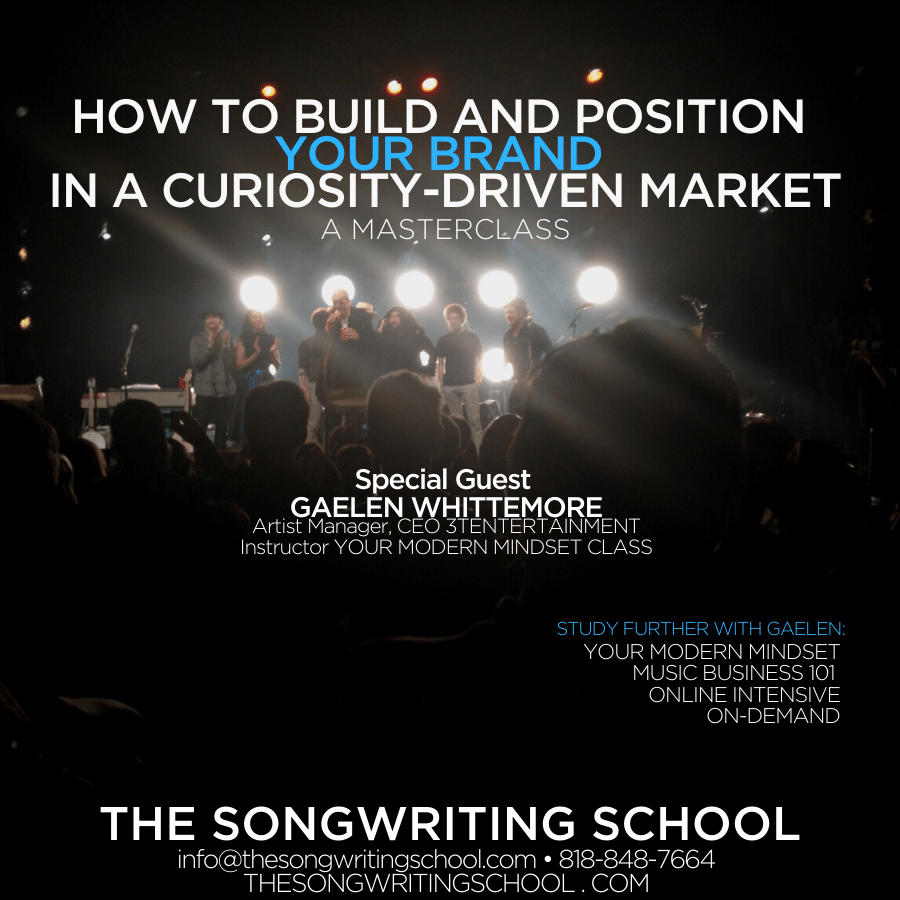
HOW TO BUILD AND POSITION YOUR BRAND IN A CURIOSITY-DRIVEN MARKET - On-Demand Masterclass
$ 60.00
NOTE: WE ARE SOLD OUT OF PRIVATE CONSULTATIONS. GAELEN'S NEXT MASTERCLASS IS SUNDAY 6/7, 1-4pm PST: How to Build Your Release Calendar & Advertising Strategy. Limited Private Consultations available. Learn How to Build and Position Your... View full details
HOW TO BUILD YOUR RELEASE CALENDAR and ADVERTISING STRATEGY, ZOOM MASTERCLASS On-Demand
$ 65.00
You've written a great song and you can't wait to share it with the world. What should you do first? Next? In this Zoom Masterclass, learn How to Build Your Release Calendar & Advertising Strategy successfully,... View full details

How to Write for Musical Theater - Returns SPRING 2024! Thursdays 7pm Pacific - Class Starts 5/16/24!
$ 699.00 $ 799.00
The next round of class returns SPRING 2024 on Thursday 5/16, 7pm PT over zoom! We will meet online over zoom with full replays available--and have some optional in-person gatherings/meetings for LA people as well.... View full details

Installment for Specific Class
$ 240.00
Hi! Only register at this link if you have been given guidance to do so. Certain online classes that have one-off events or extended additional meetings might use this link for registration. That list currently includes... View full details

INTELLECTUAL PROPERTY MASTERCLASS: REVENUE MODELS IN TODAY'S MUSIC BUSINESS - ON-DEMAND
$ 75.00 $ 225.00
Learn all about Intellectual Property Ownership & Value in Music in this Masterclass on Revenue Models in Today's Music Business, on-demand. Artist manager and 3T Entertainment CEO Gaelen Whittemore has been guiding the careers of established artists like... View full details

International Students
Free & Open Event
International students, study with us! Make Los Angeles your destination and spend your time here not only growing and developing as writer, artist, or producer. Spend your time building vital collaborative relationships in this creative... View full details

Keyboard Skills for Producers and Songwriters - LEVEL 2 starts SUMMER 2022 MONDAYS Join for 8/1/22 (Option for L1 on-demand, L2 live!) - Watch Free Review Session Here
$ 299.00 $ 350.00
SUMMER 2022: LEVEL 2 section MONDAY nights starting 7/25/22 (6 wks with full content available weekly, on-demand). Watch Class 1 on-demand and join for class 2 8/1/22--or take the class asynchronously and send work/questions to your instructor.... View full details

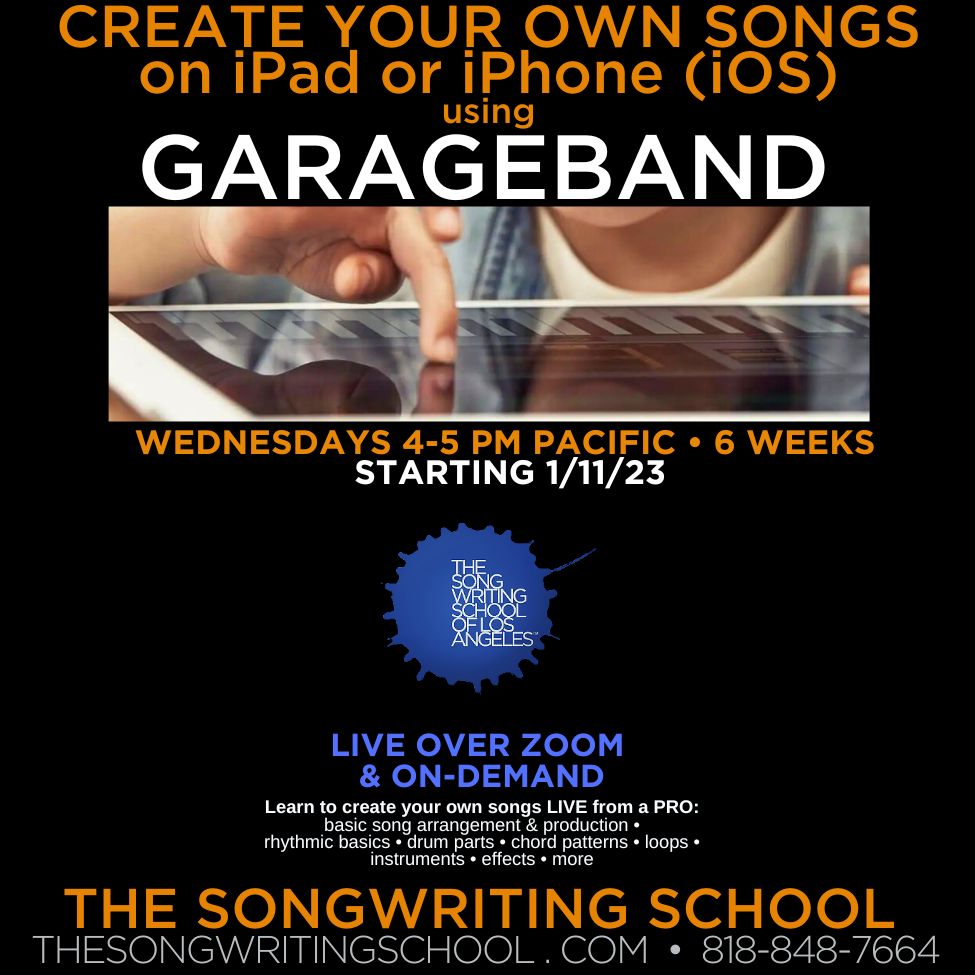
Learn GARAGEBAND on Your iPad or iPhone, with Grammy-Winning Brent Paschke (KIDS & TEENS) - Tuesdays 4-5pm PT Zoom Starting 3/16/23
$ 129.00 $ 250.00
Learn how to use GarageBand on iPad or iPhone to create your own songs--and study live over Zoom (and on-demand) with Pharrell's longtime guitarist, Grammy-Winning songwriter/musician/producer Brent Paschke! For 5 Tuesdays 4-5pm Pacific, LIVE over Zoom,... View full details

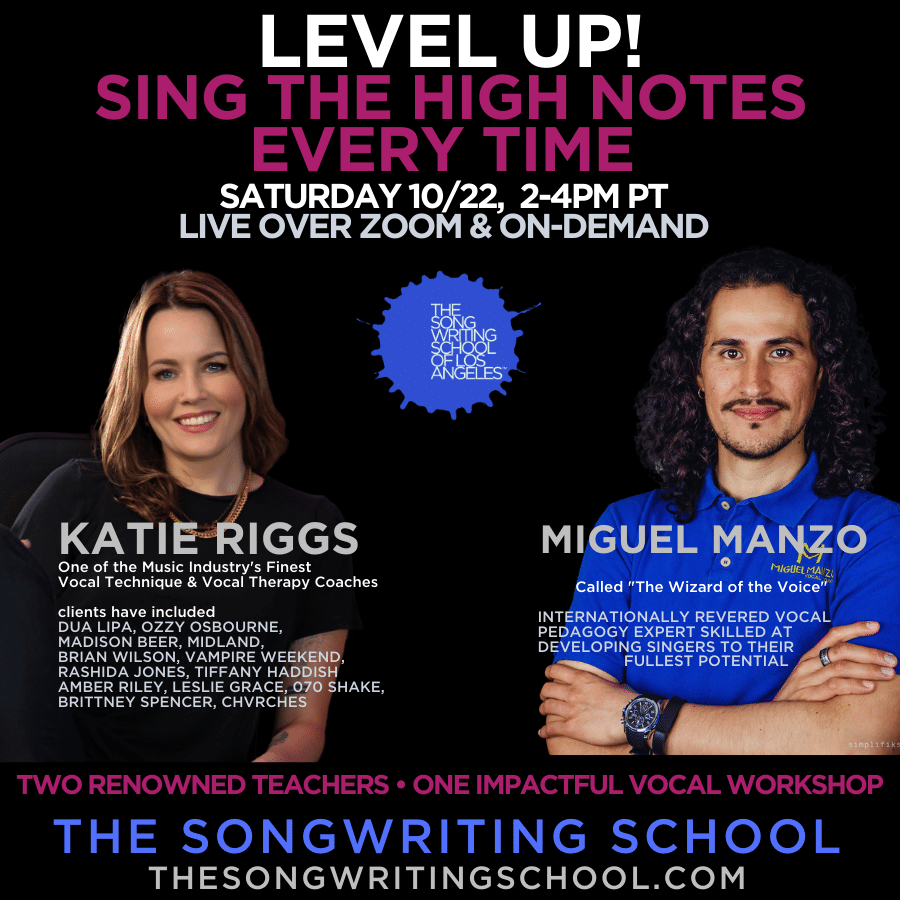
LEVEL UP! Sing the High Notes Every Time - Interactive Vocal One-Day Workshop with Renowned Voice Teachers Katie Riggs & Miguel Manzo - On-Demand Only!
$ 79.00 $ 129.00
NOTE: This live event happened 10/22/22, but the edited on-demand version with 2+ hours of bonus support materials will be available starting 10/25/22. Do you want to be able to sing the high notes every... View full details
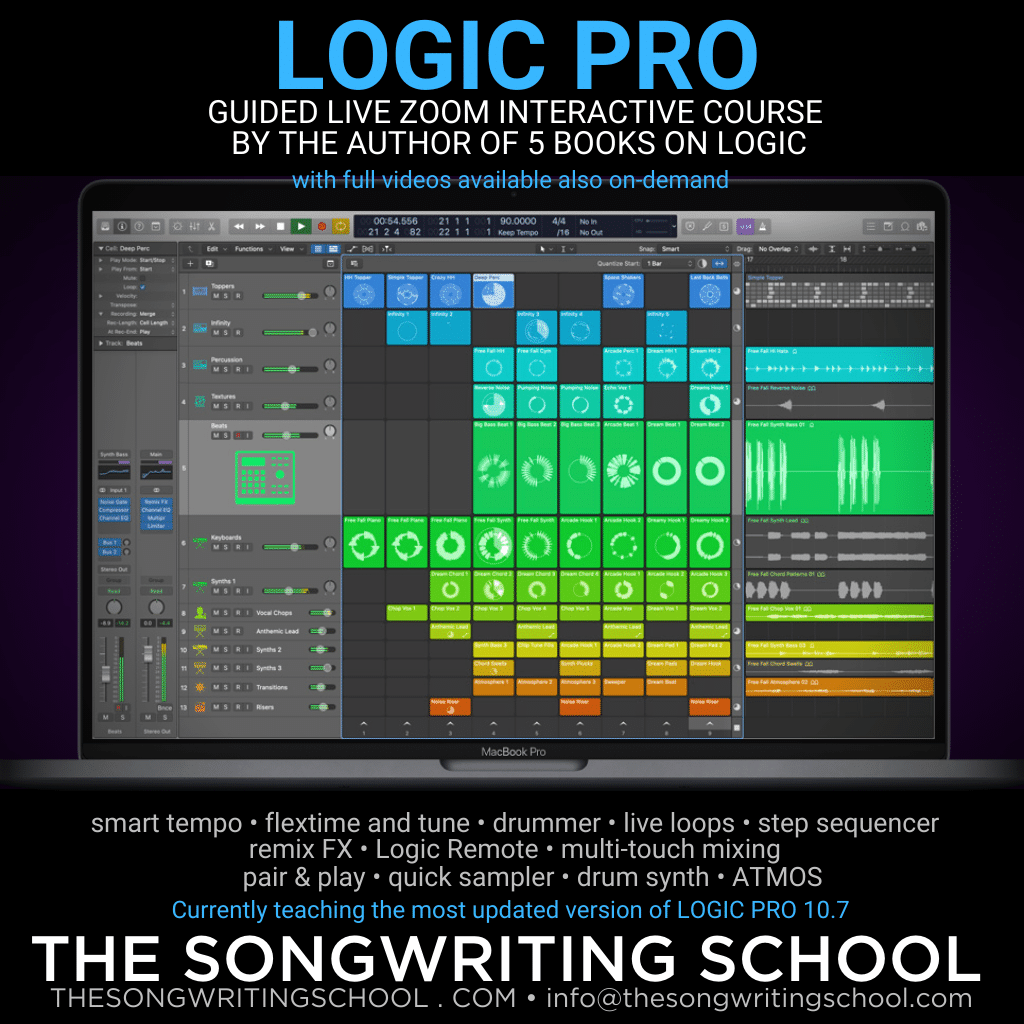
Logic Pro, Level 1 - WINTER 2024 Live Online & On-Demand, Starting 5/4/24 - First Class Trial Available
$ 49.00 $ 599.00
Class meets LIVE over Zoom, 6 Saturdays at 10am PT, with full replays available at a private class site 48 hrs after class. OR learn RIGHT AWAY, on-demand! NOTE: Apple recently released an amazing update with... View full details

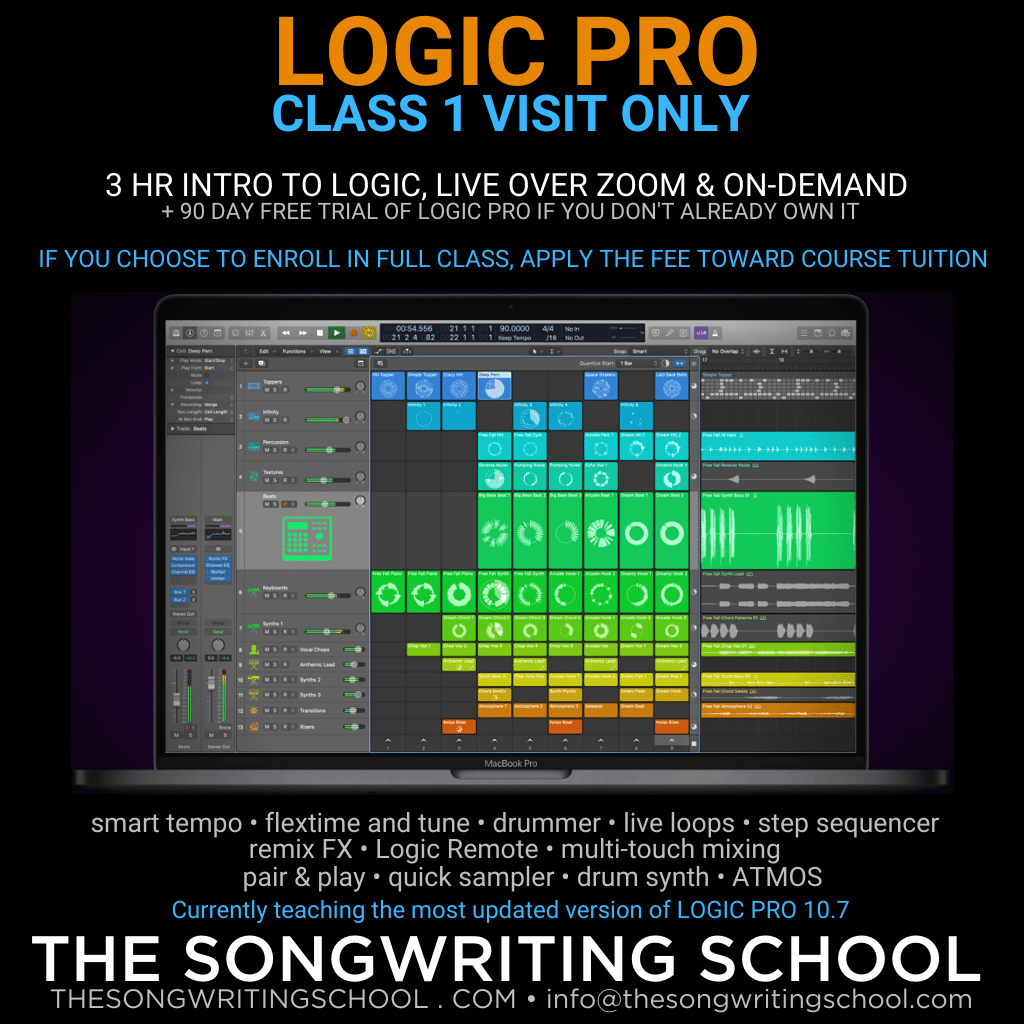
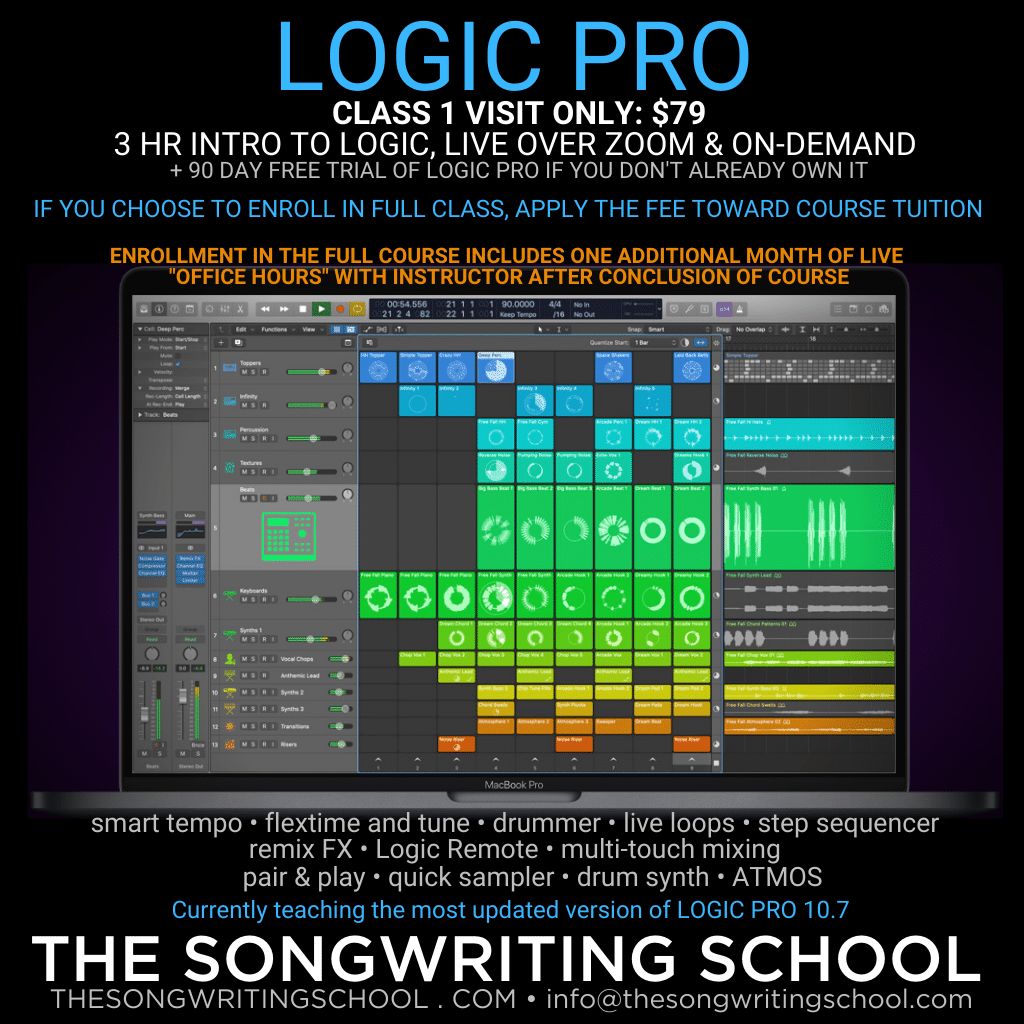
LOGIC PRO: Class 1 Single Visit, Live or On-Demand (Includes Free 90-Day Trial of Logic Pro)
$ 39.00 $ 99.00
Want to learn Logic Pro and trying to decide the best way to do it? Join us for Class 1 of Logic Pro Level 1, on-demand for a single fee and receive 3 hrs of introductory... View full details

Music Business Lessons & Private Consultations
$ 150.00
You're feeling good about your music. Well done! Now it's time to formulate a game-plan for the business of your music. Working with industry professionals in constructive, private consultations affords you candid reactions to your music,... View full details

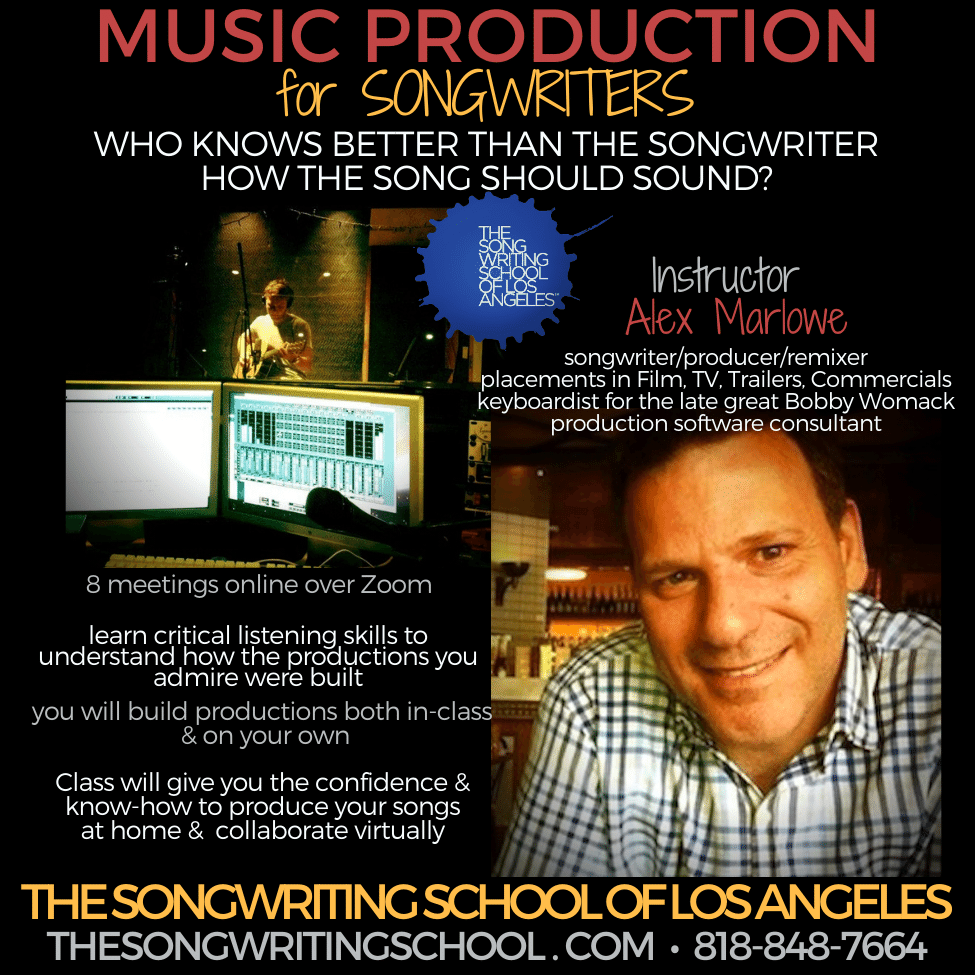
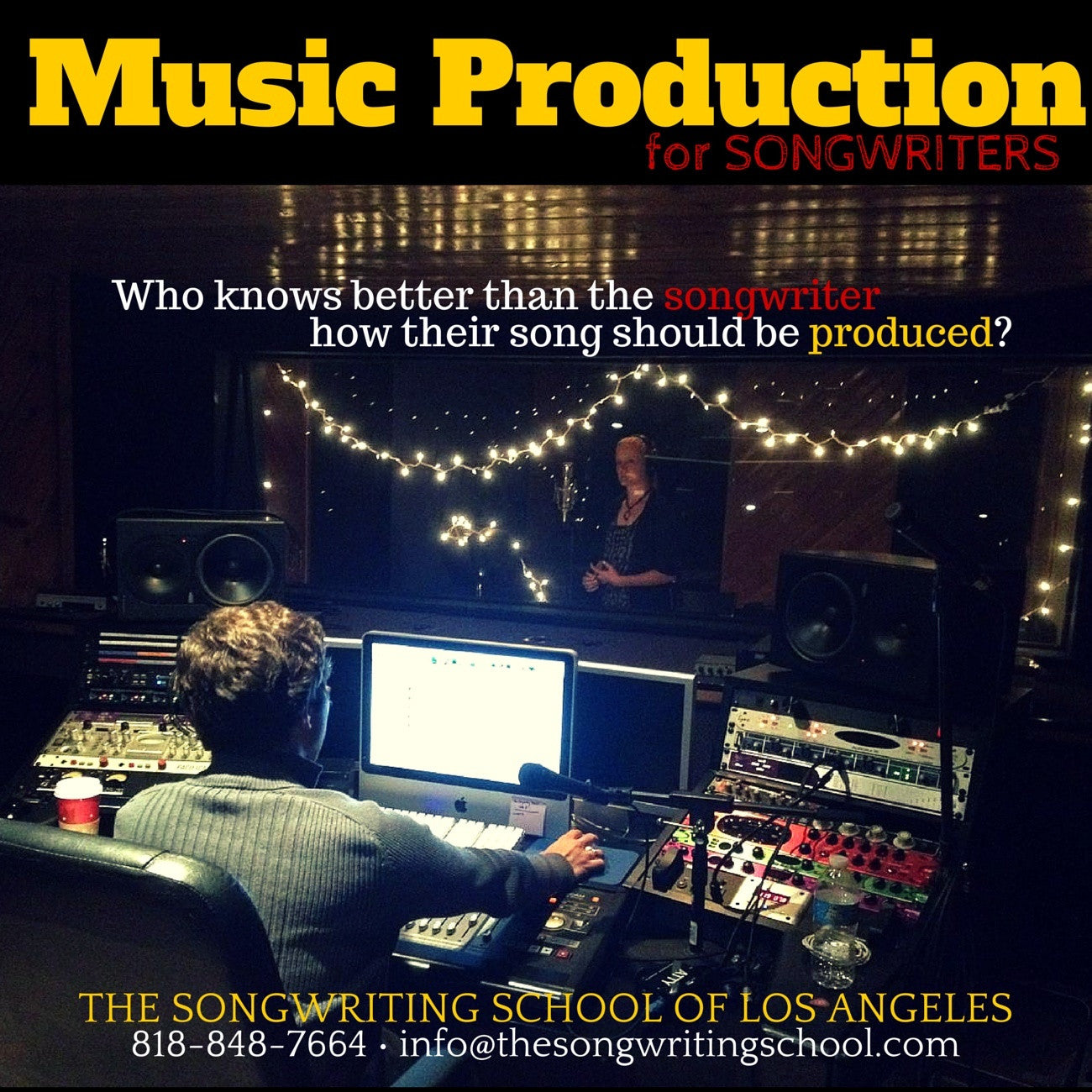
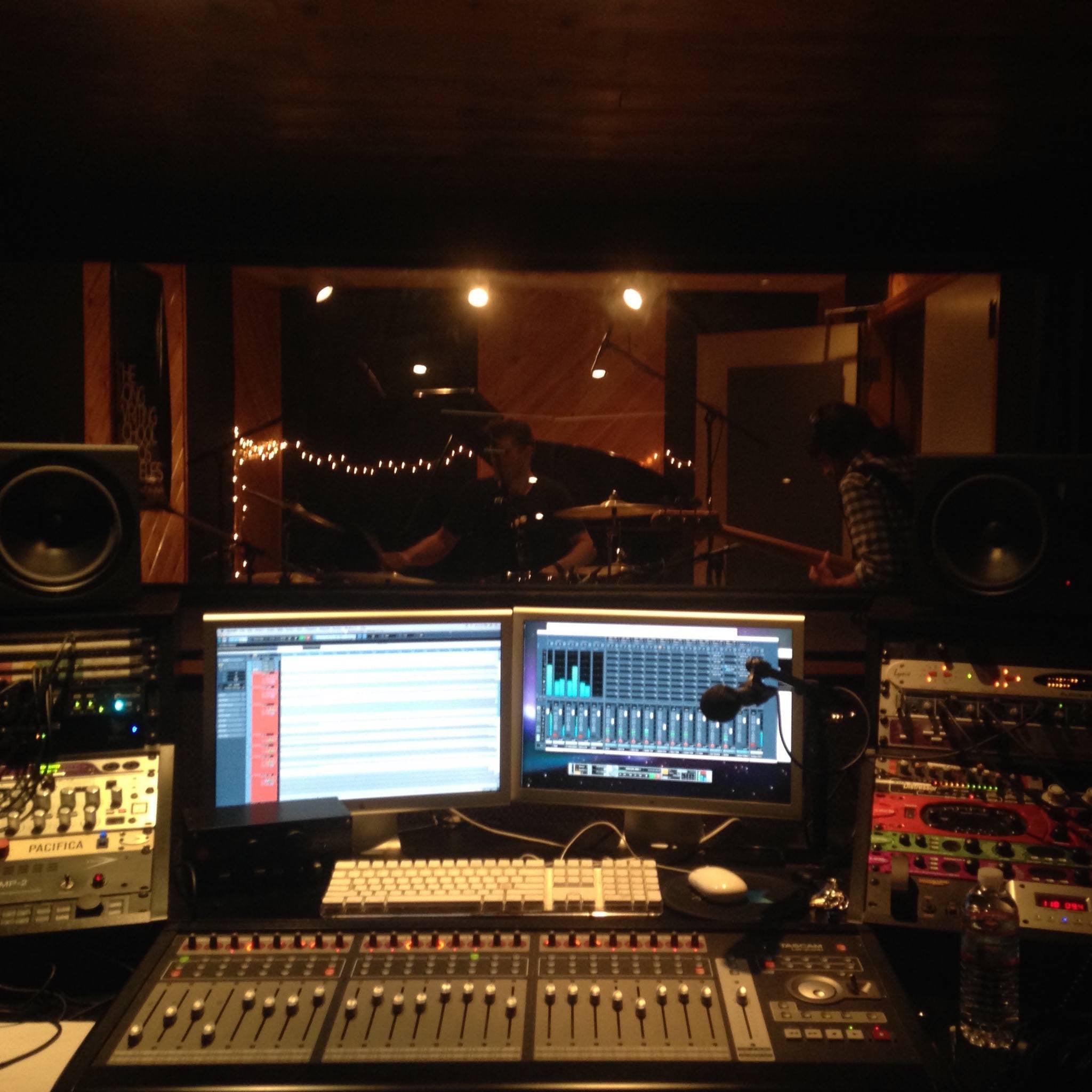
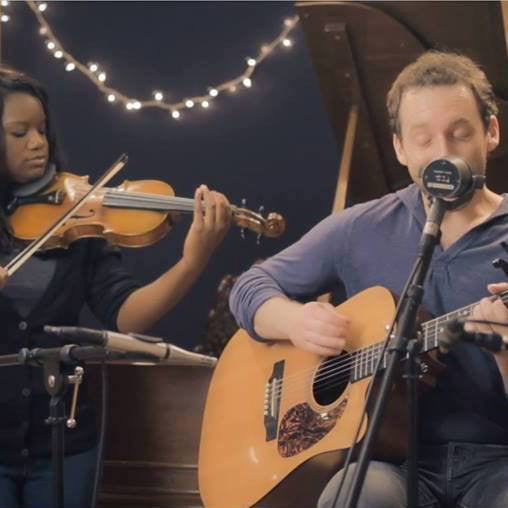
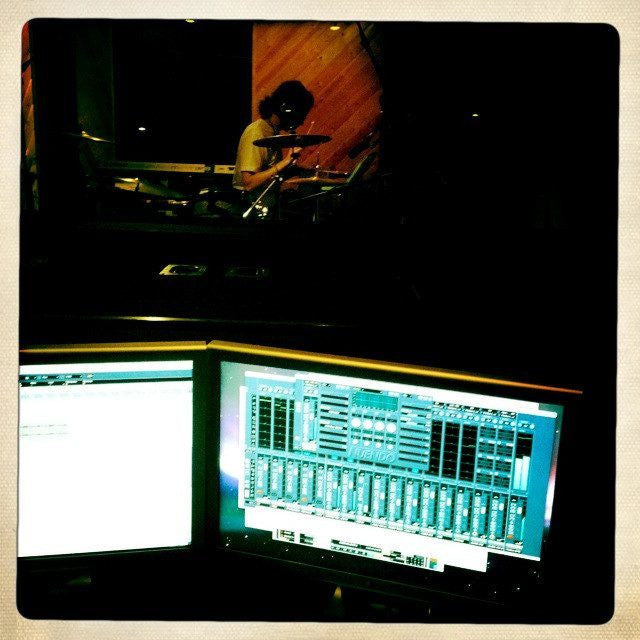
Music Production for Songwriters, Level 1 - ONLINE FULLY INTERACTIVE, 2024: SPRING- LEVEL 1 Starts SUN 5/5/24, 2pm PT!
$ 599.00 $ 599.00
We have revamped this essential class for this ONLINE-ONLY format to address directly the world you find yourself in: how to make great productions with your laptop, MIDI, your voice, your instruments, and a mic,... View full details

Music Theory & Ear Training for Musicians, FULLY INTERACTIVE ONLINE this SPRING/SUMMER 2024: LEVEL 1 Starts Monday 6/2/24
$ 399.00 $ 549.00
The next Level 1 begins NOW! Watch class 1 on your own time. Class 2 is the first live meeting over zoom, MONDAY 6/2/24, 7pm PT (and on-demand). Class features 8 meetings total: one pre-recorded... View full details


Music Theory/Musicianship Lessons
$ 80.00
Does this ever happen to you? You have a musical part or a chord progression you like, but you can't figure out where to go next. A private lesson can not only help you solve the... View full details

MY CONTRIBUTION
$ 25.00
We all know what a gift it is to be able to write songs. For those who would like to make a contribution to a specific service or program at The Songwriting School, your generosity makes... View full details

New Student Registration Fee: One-Time Only
$ 35.00
The first time a student takes a class at The Songwriting School of Los Angeles, there is a one-time new student registration fee of $35. You never owe this again. If you are registering for... View full details

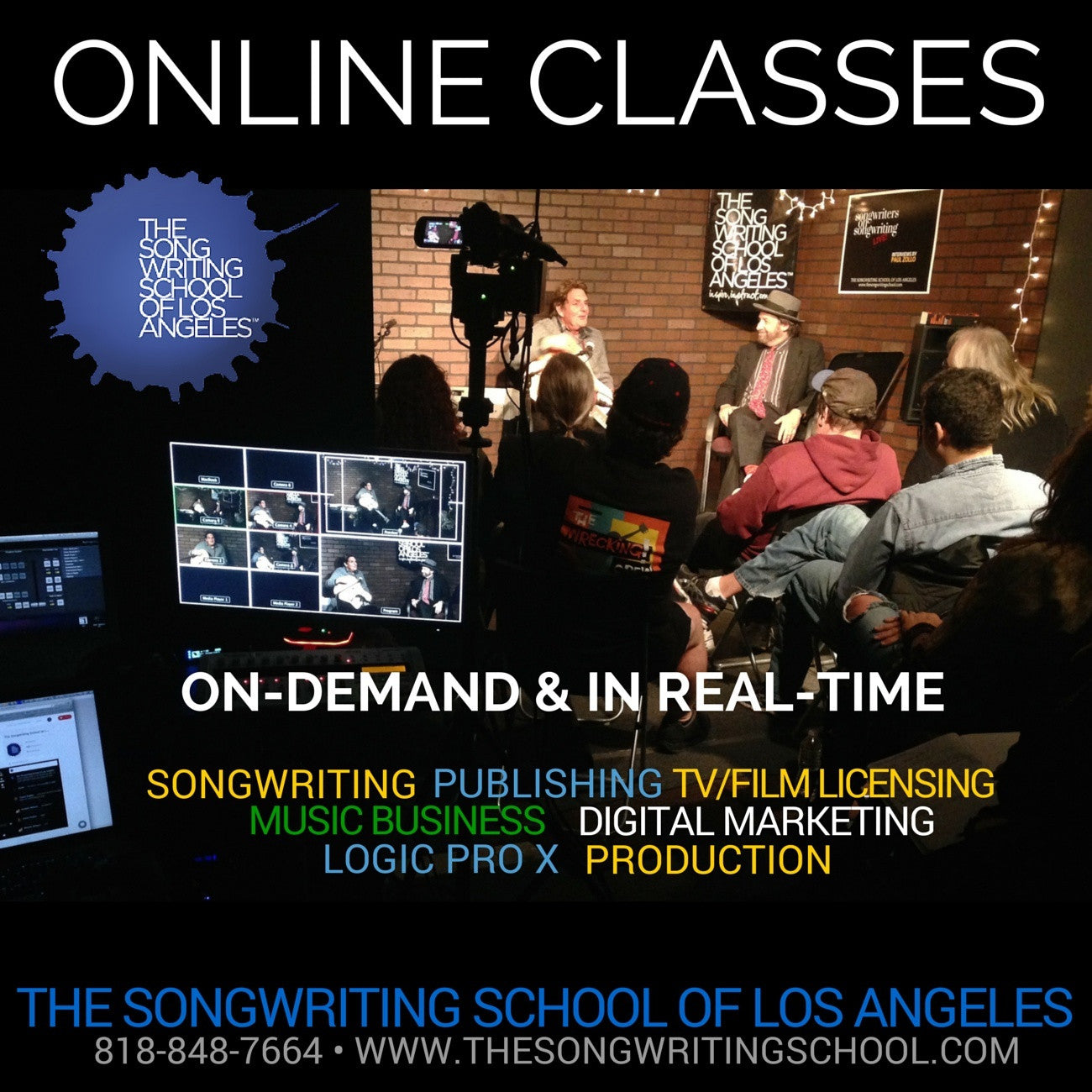
Online Classes - Winter/Spring/Summer/Fall and On-Demand
Free & Open Event
Study on our schedule or yours! Each class utilizes a different format in an attempt to virtually create a sense of this rich creative community. Many stream in real-time with archives available on-demand. Others are offered in... View full details

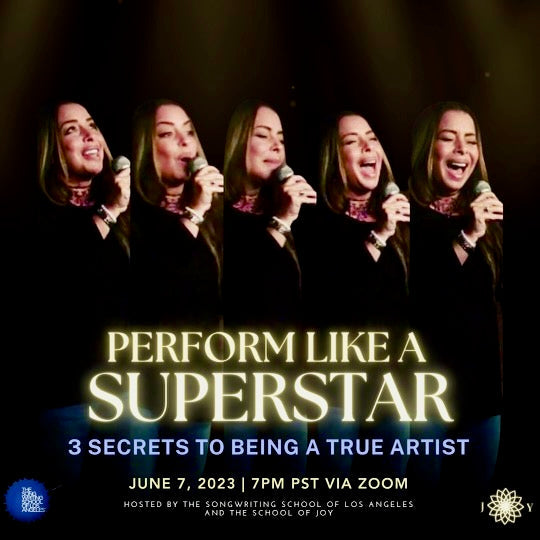
PERFORM Like a SUPERSTAR: 3 Secrets to Being a TRUE ARTIST - FREE Zoom Workshop WED 6/7, 7pm PT
Free & Open Event
On Wednesday 6/7, 7pm PT over zoom, join us for this Free event: PERFORM like a SUPERSTAR: 3 SECRETS to Being a TRUE ARTIST, with vocal performance and mindset coach Joy Graysen, Click this link to attend live... View full details

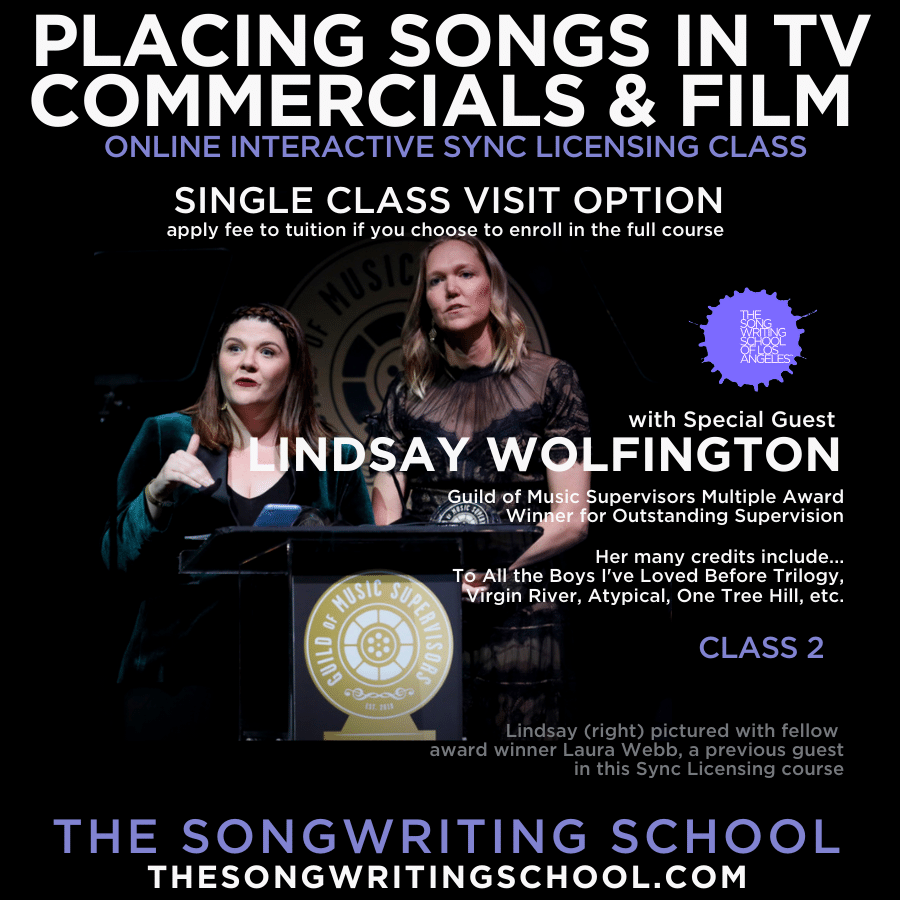
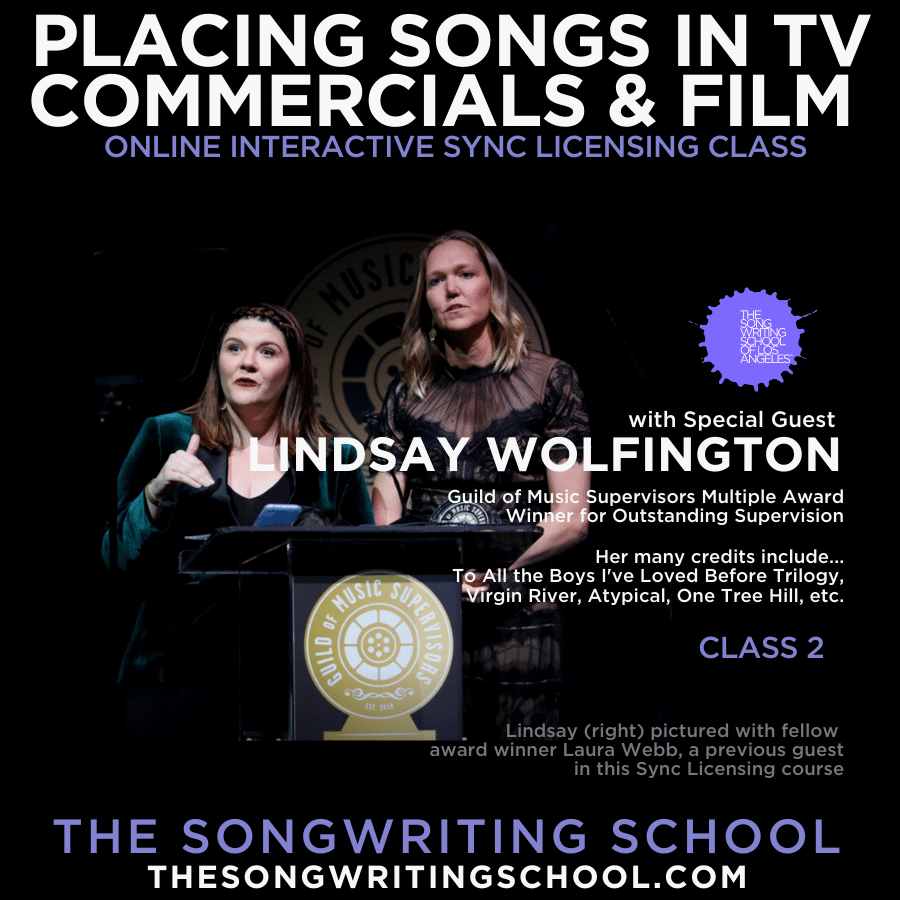
Placing Songs in TV, Commercials, & Film - Single Class Only Pass - Access the Archive with Music Business Attorney Ben McLane
$ 49.00 $ 99.00
Access the archived talk with Music Business Attorney Ben McLane and receive 4+ hours of bonus materials. Ben McLane is a music business attorney who has worked on more than 150 Top Ten songs or albums... View full details

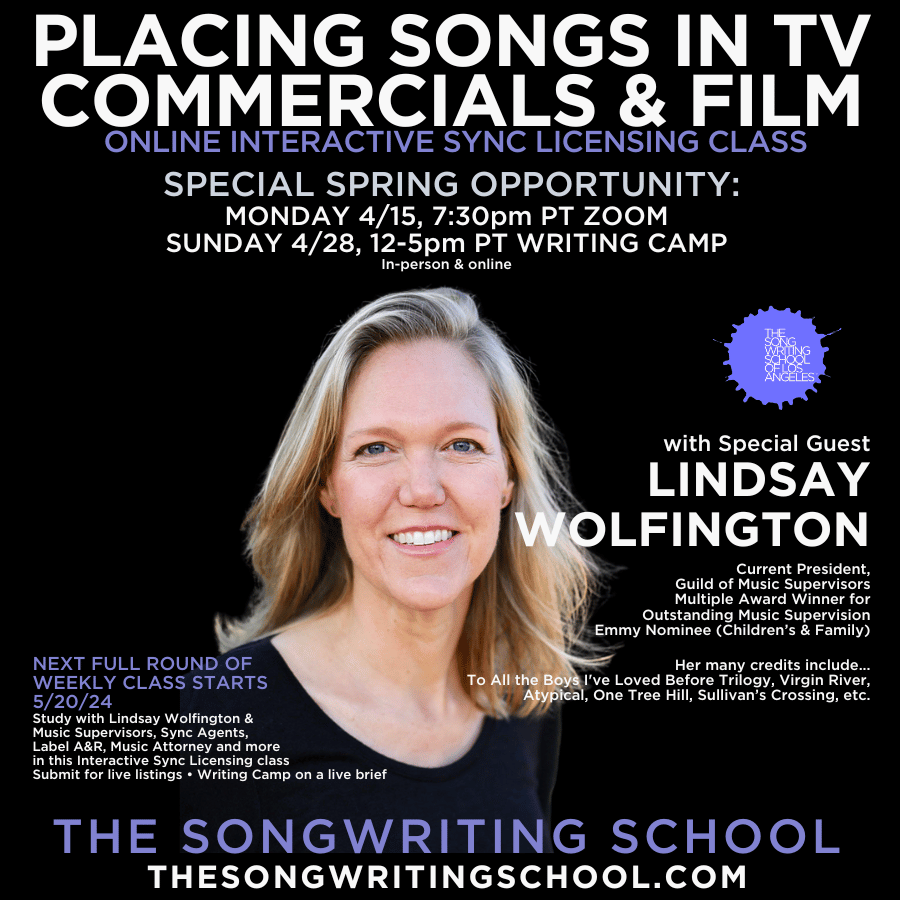
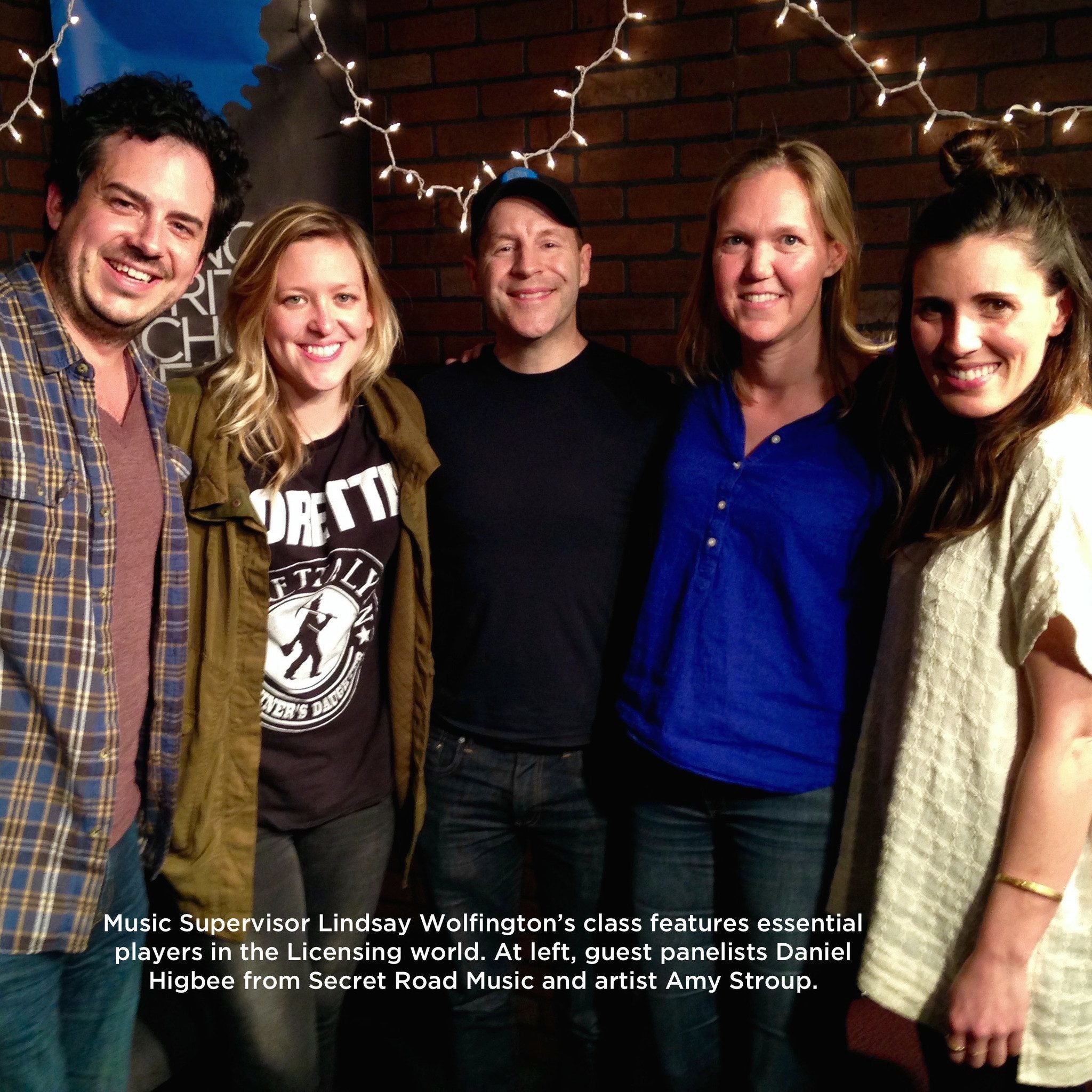
Placing Songs in TV, Commercials, & Film - SPRING WRITING CAMP with Lindsay Wolfington 4/28 / Next Full Class Starts 5/20 for SUMMER
$ 799.00 $ 899.00
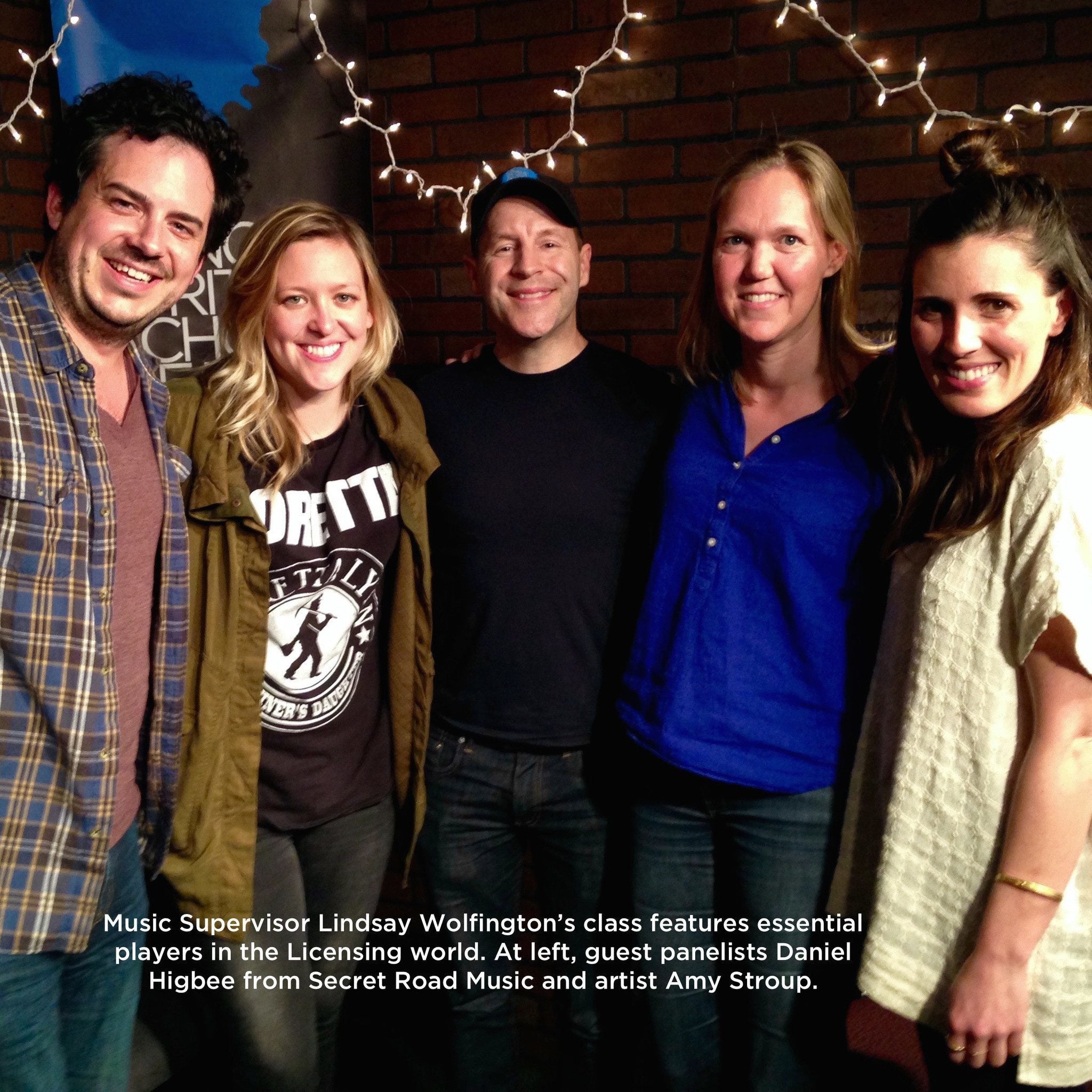
This essential class in Licensing Songs to TV, Film, and Commercials returns for the SUMMER 2024 session with an early meeting Monday 5/20/24 AND a special Late Spring Opportunity to Write for Award-Winning Music Supervisor... View full details

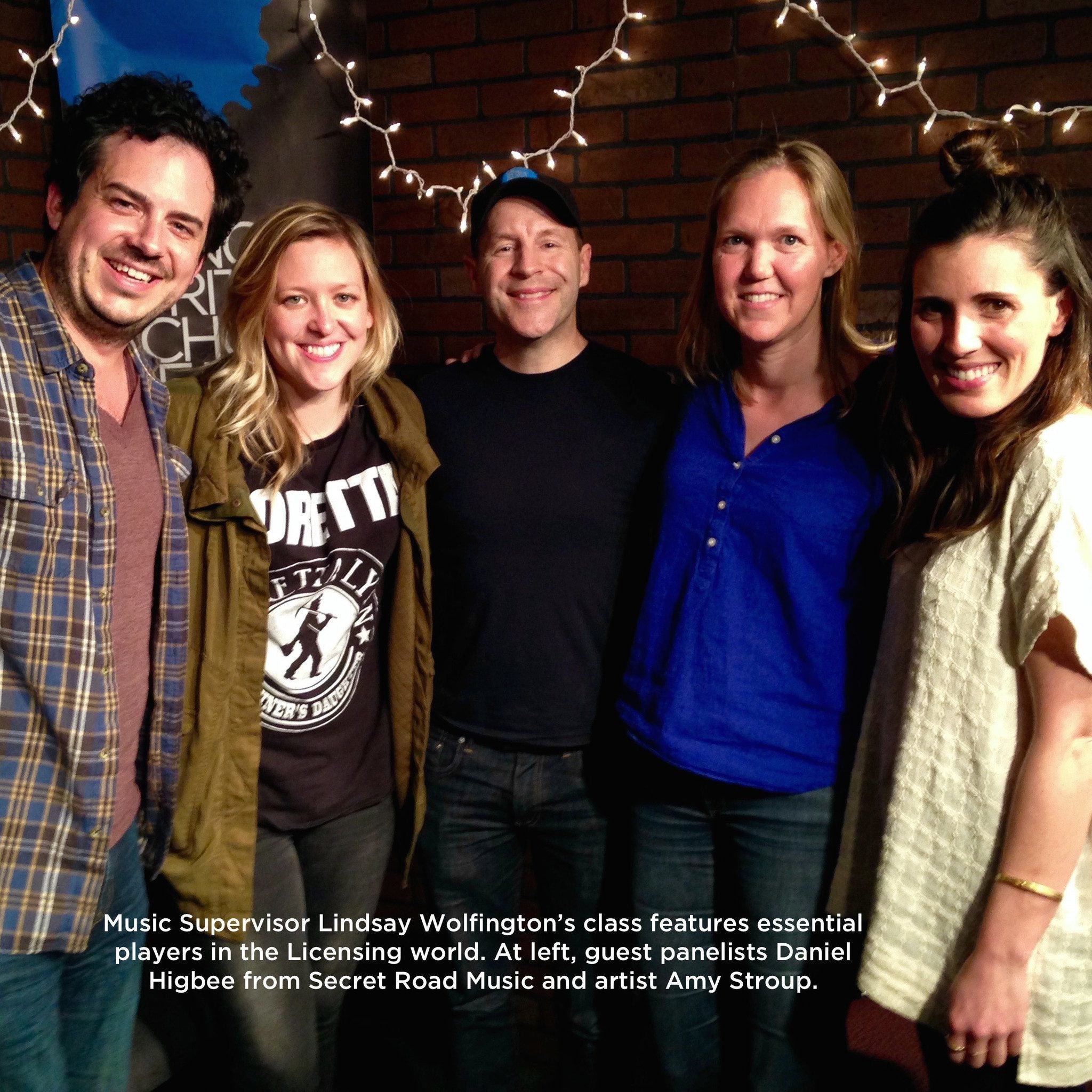
Placing Songs in TV, Commercials, & Film - SPRING WRITING CAMP with Lindsay Wolfington: Class 4/15, Camp 4/28
$ 247.00 $ 699.00
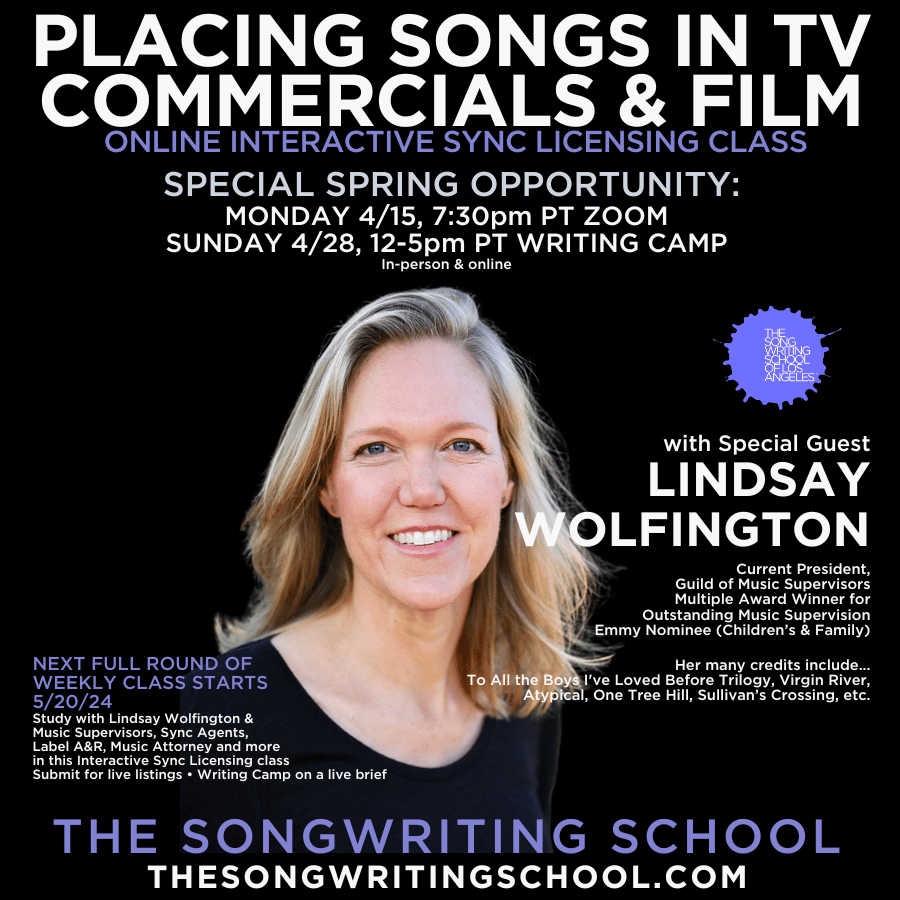
This essential class in Licensing Songs to TV, Film, and Commercials offers a special Late Spring Opportunity to Write and Submit for Award-Winning Music Supervisor Lindsay Wolfington! Special Late Spring Options: learn from Lindsay Mon... View full details

Private Guitar Lessons
$ 100.00
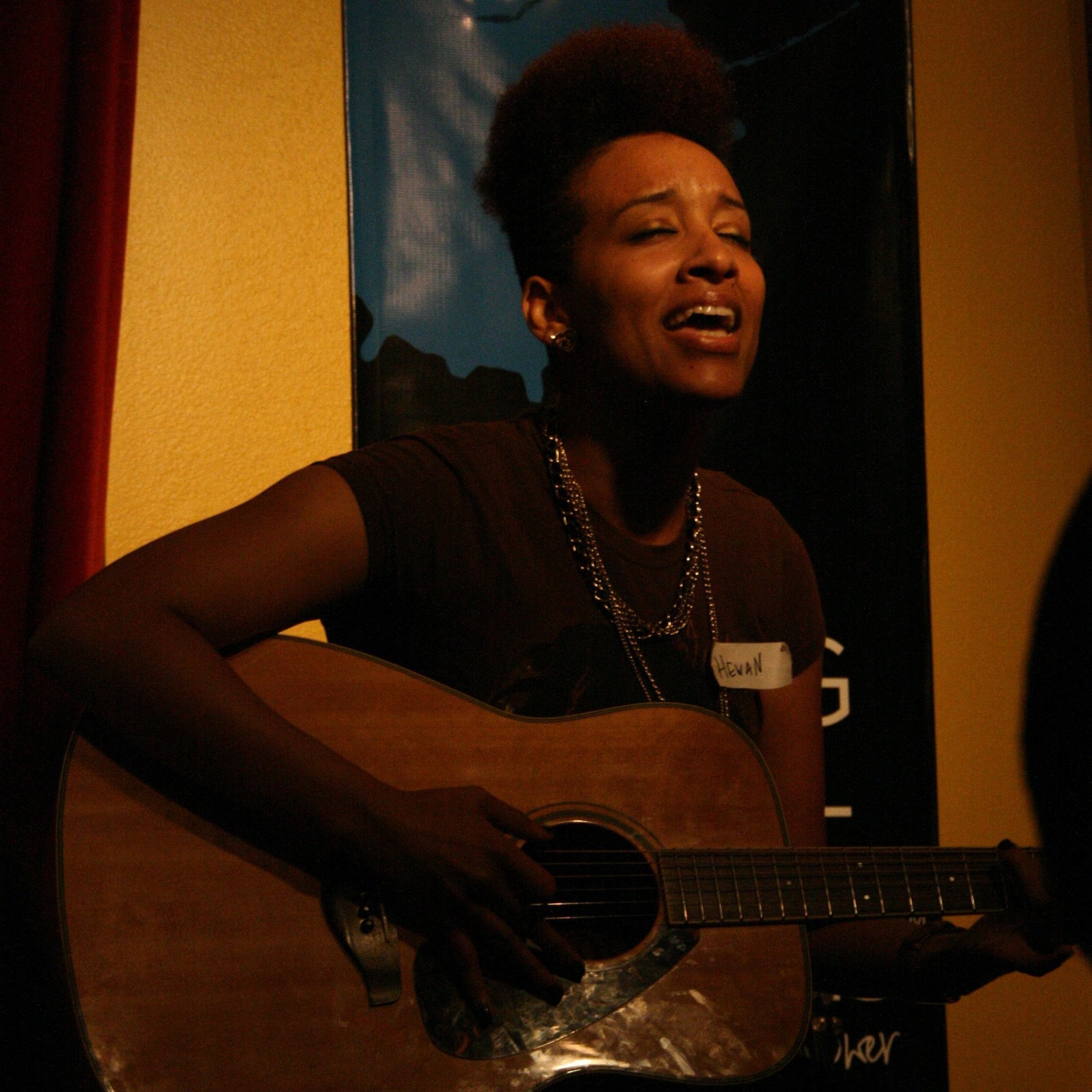
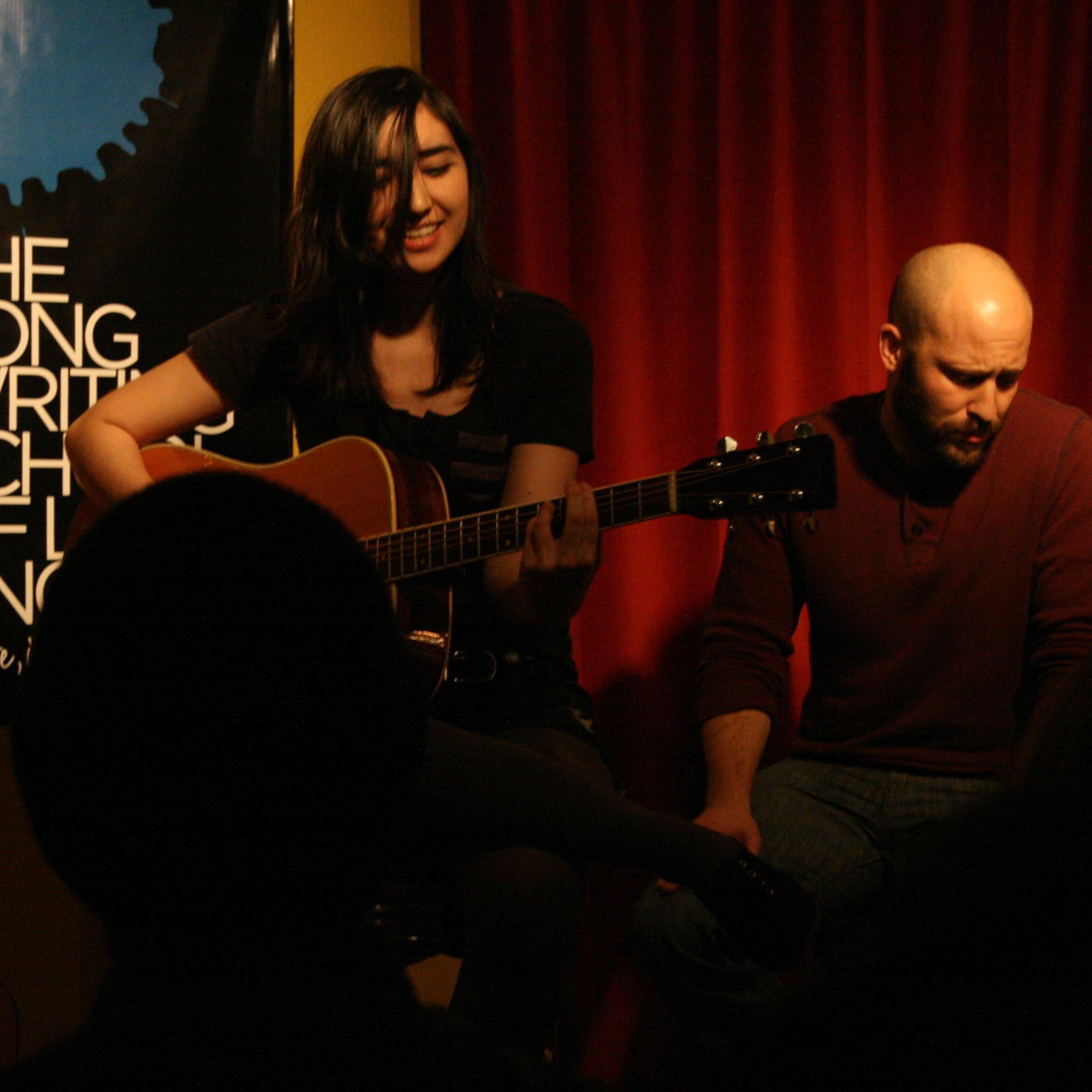
Private guitar lessons at The Songwriting School teach students not only how to play guitar but how the guitar can be an essential tool of the songwriter. Teaching to and from the song connects the... View full details

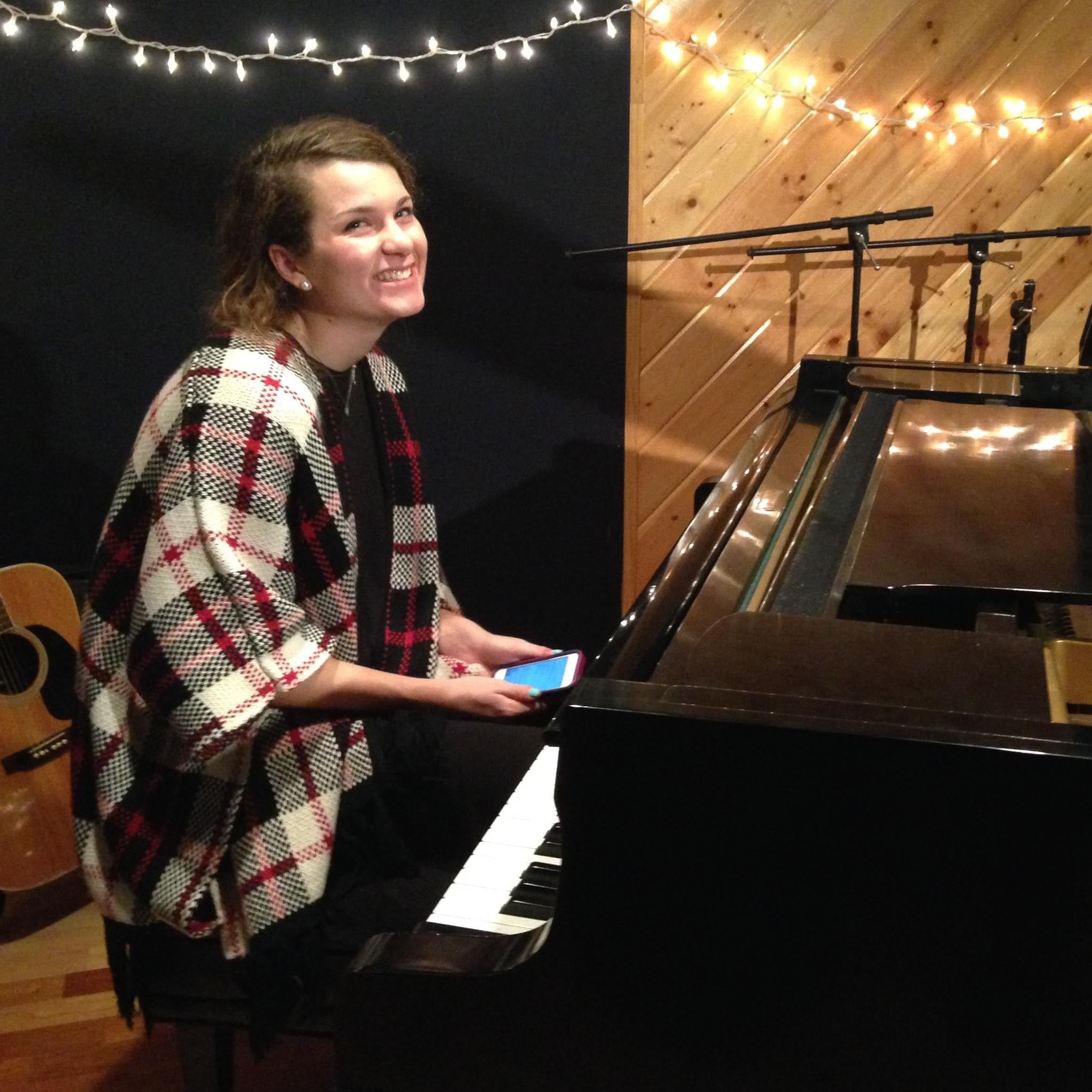

Private Piano/Keyboard Lessons
$ 90.00
Private piano and keyboard lessons at The Songwriting School teach students not only how to play piano but how the piano can be an essential tool of the songwriter. Teaching to and from the song connects the concepts... View full details

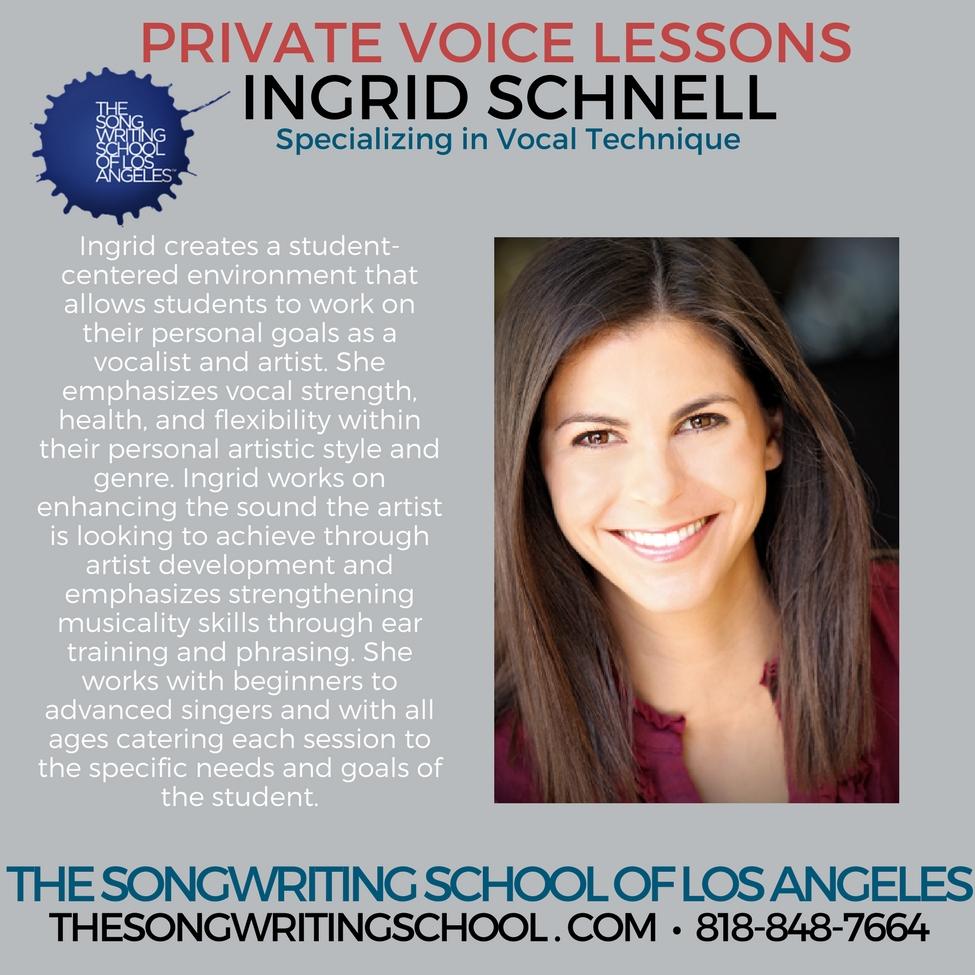
Private Vocal Lessons with Ingrid Schnell
$ 150.00
Ingrid Schnell is a singer, songwriter, and vocal instructor in Los Angeles. Her repertoire of work includes vocal and theatrical performer, session singer, and vocal instructor throughout the Los Angeles area. She has worked with... View full details

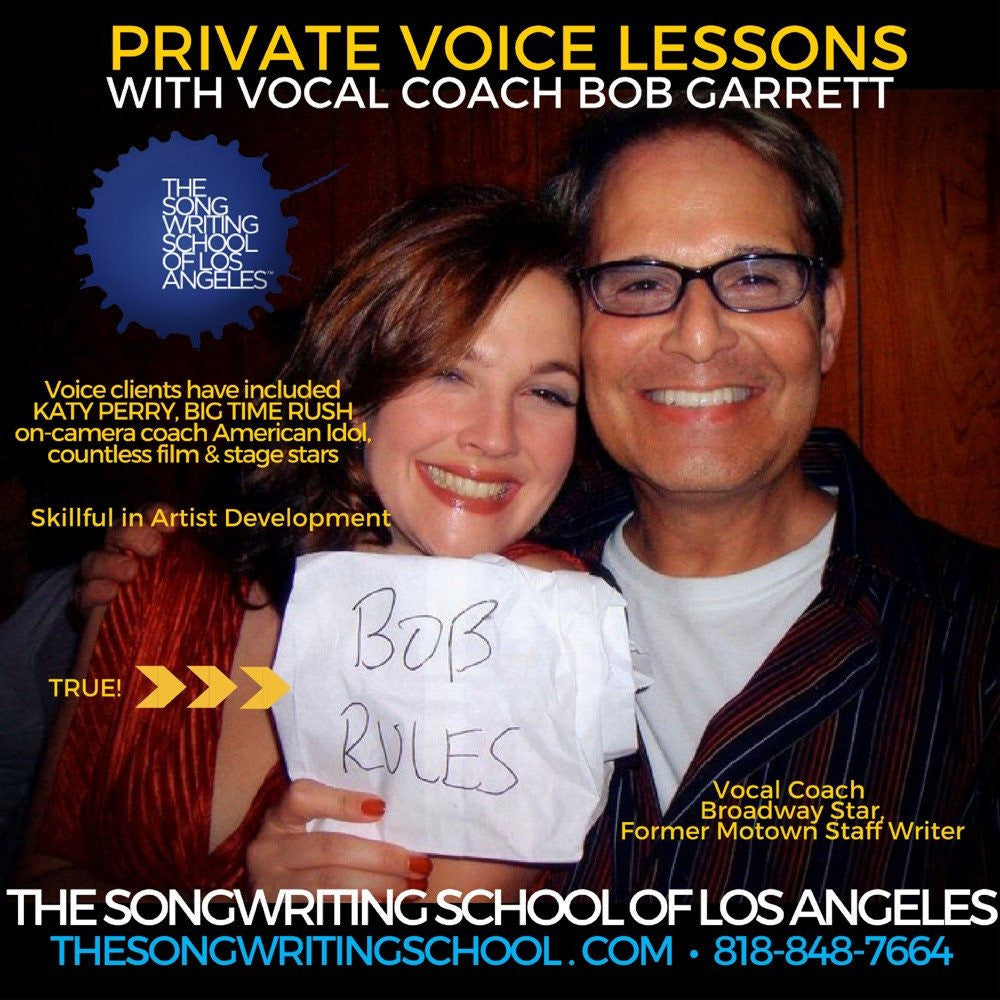
Private Voice Lessons with Bob Garrett
$ 150.00
Private voice lessons with the great Bob Garrett, who has worked with Katy Perry, Janet Jackson, Vanessa Hudgens, and so many more and whose career has given him a true understanding of vocal technique and... View full details

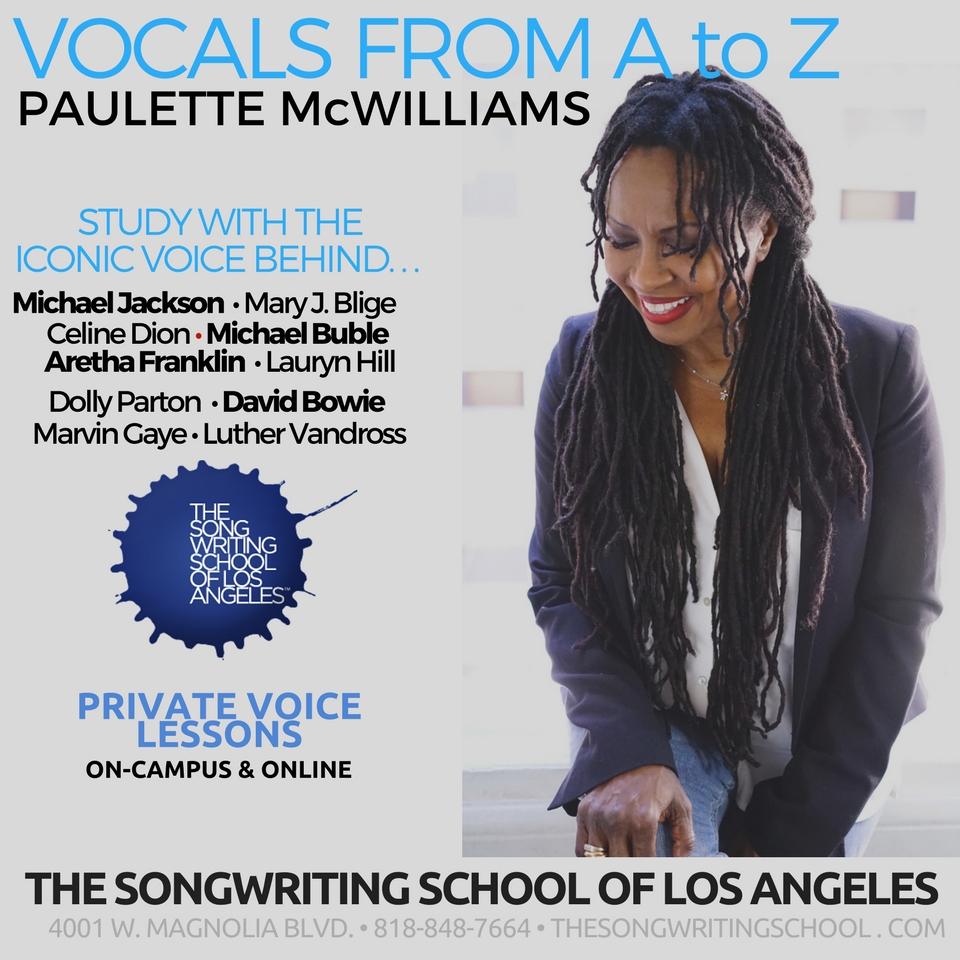
Private Voice Lessons with Paulette McWilliams
$ 95.00
Vocalist Paulette McWilliams has recorded or performed alongside some of the greatest voices of all time: Michael Jackson, Mary J. Blige, Celine Dion, Michael Bublé, Aretha Franklin, Lauryn Hill, Dolly Parton, David Bowie, Luther Vandross.... She... View full details

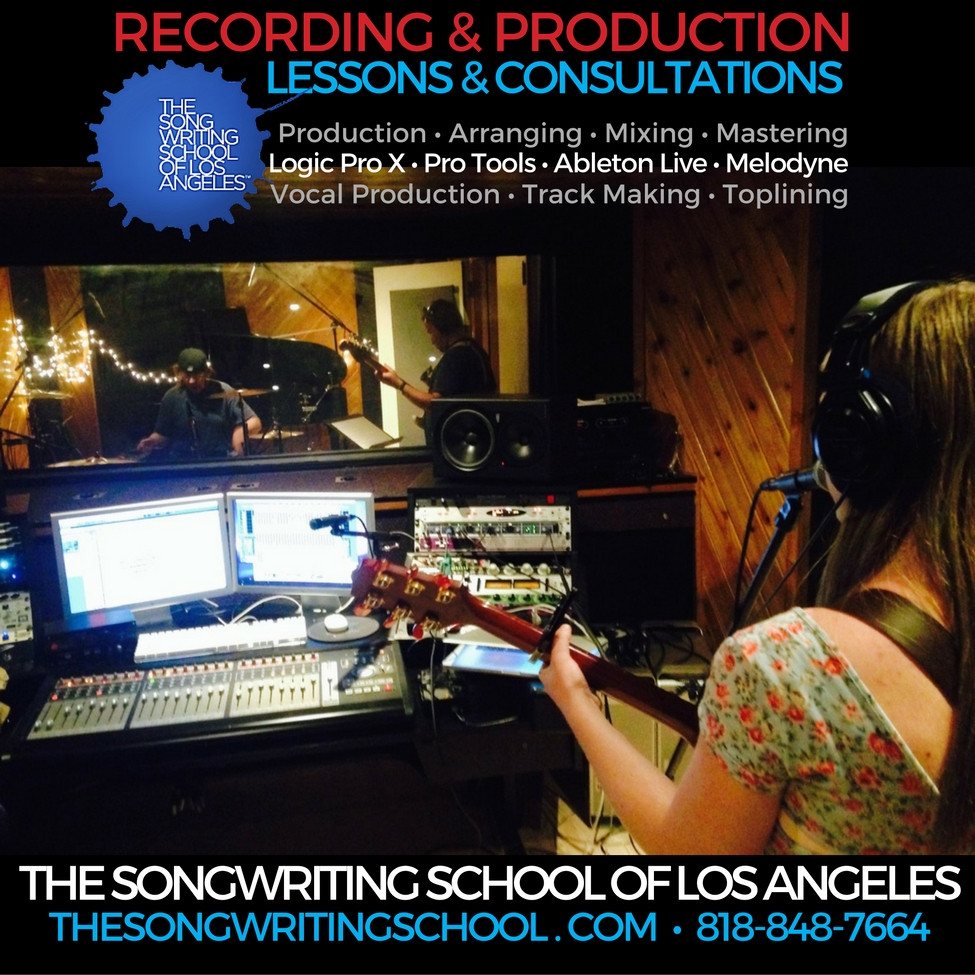
Production or Recording Private Lessons or Consultations
$ 90.00
Whether it's schedule or budget or the nature of what you are trying to learn, sometimes group class settings do not provide exactly what an aspiring producer, beat-maker, songwriter, or creative is looking for. Private... View full details

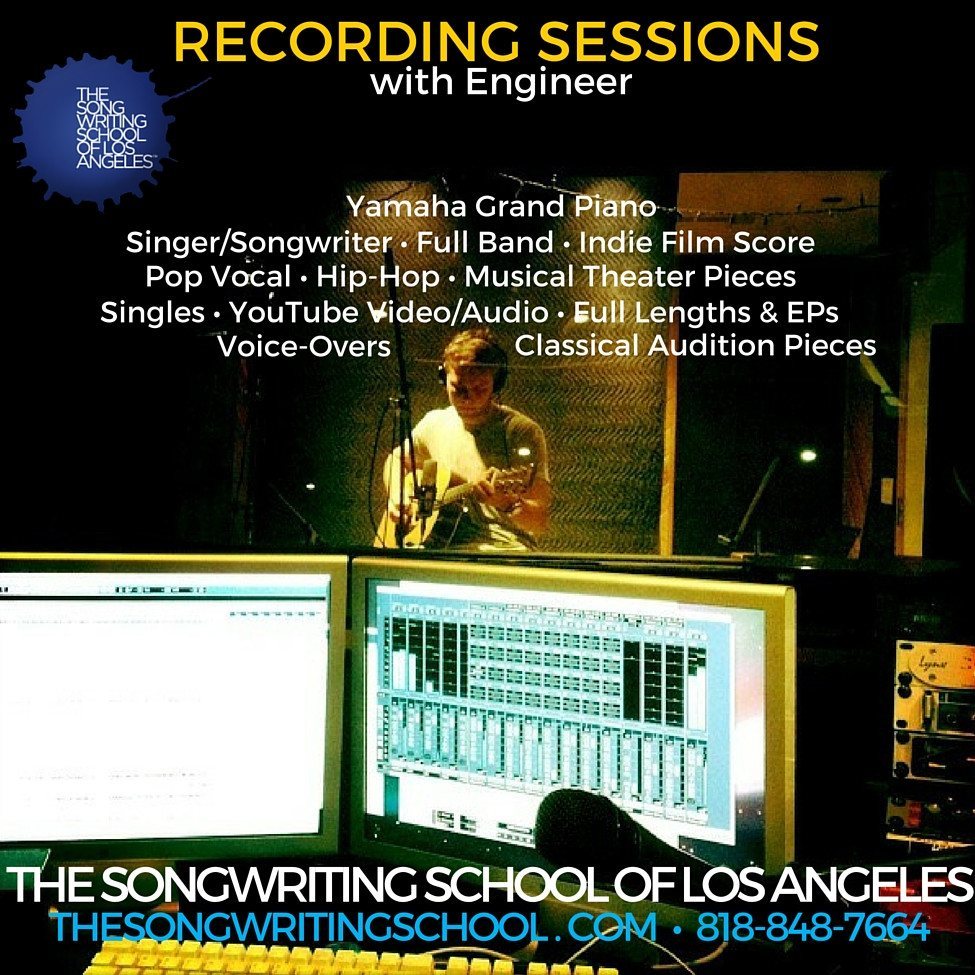
Recording Studio Rental in LA Area with Engineer
$ 350.00
Recording sessions make use of an acoustically tuned room with floated floors, excellent equipment, and engineers trained not only to deliver what is demanded sonically but an educational experience as needed. In this way the... View full details

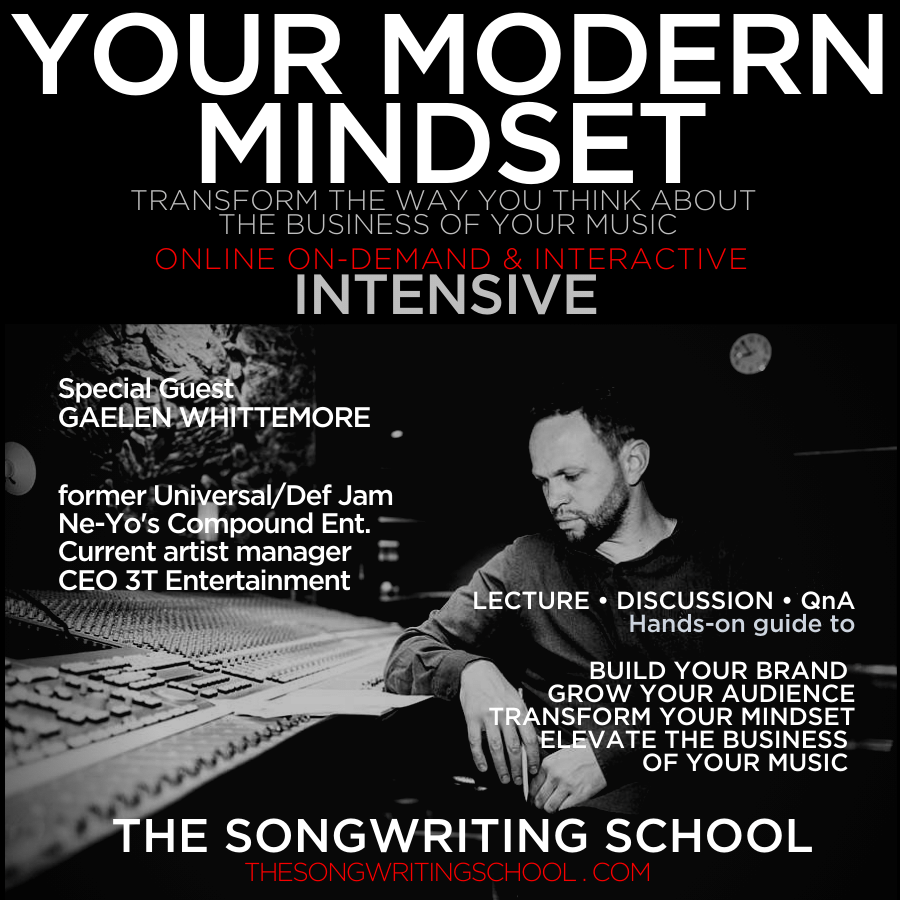
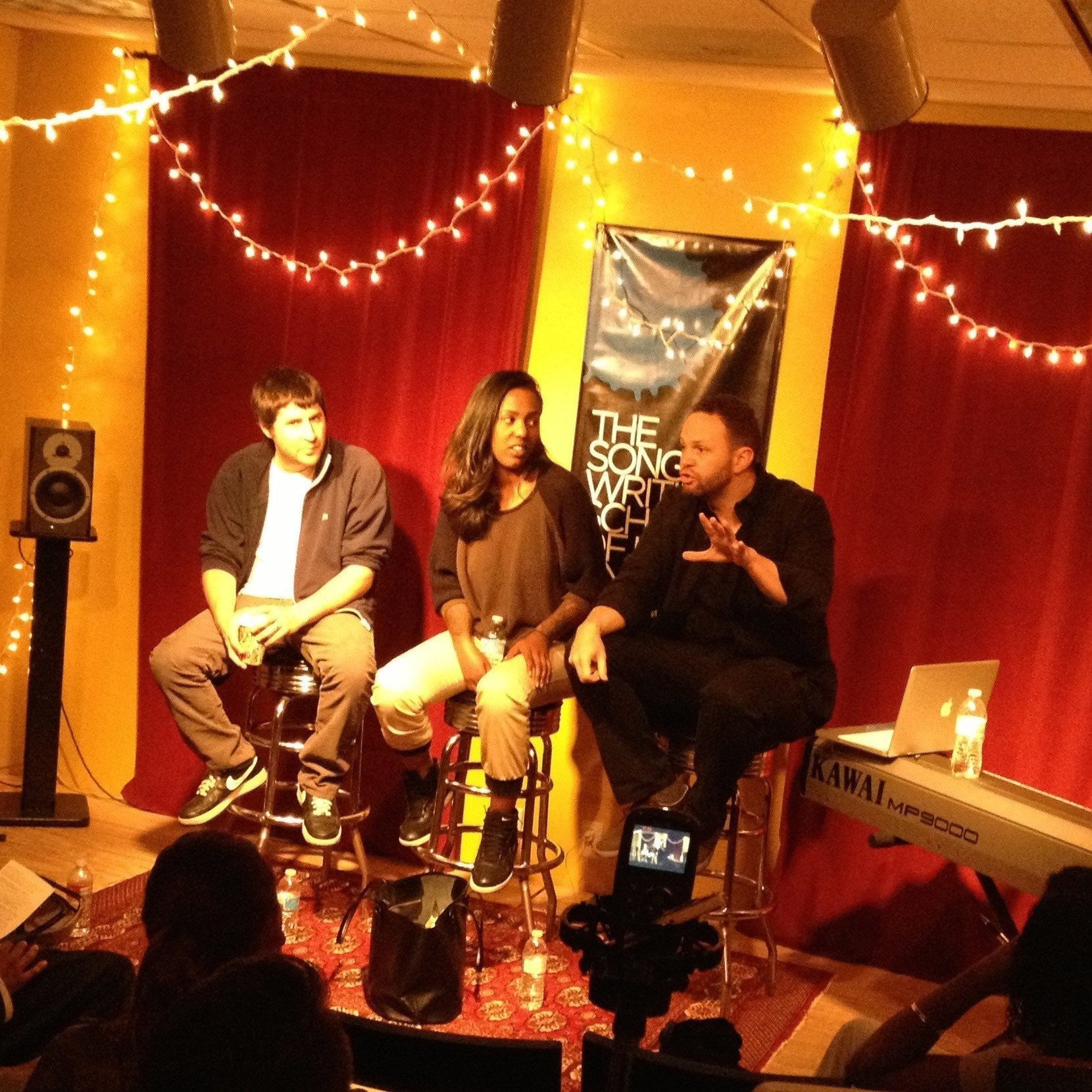
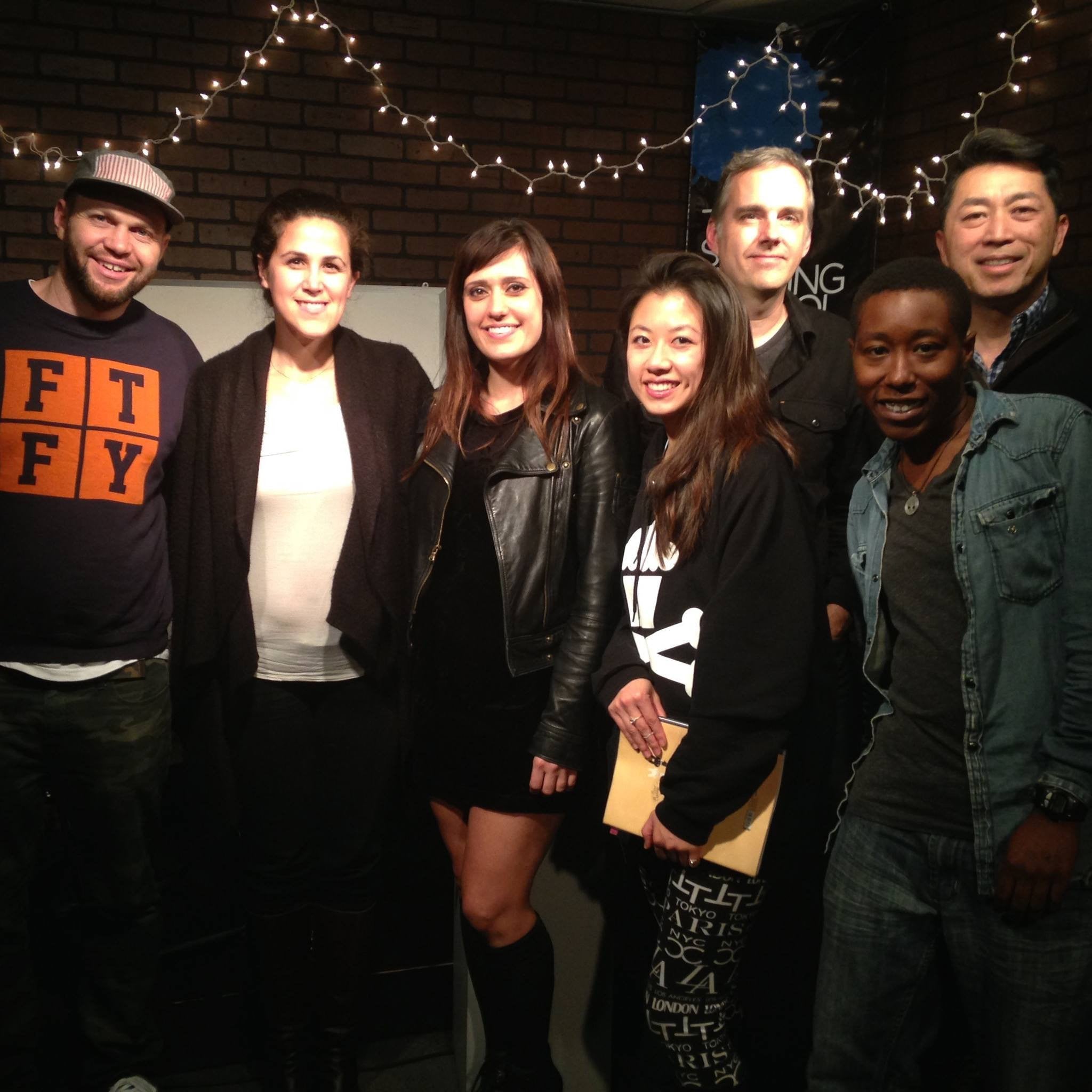
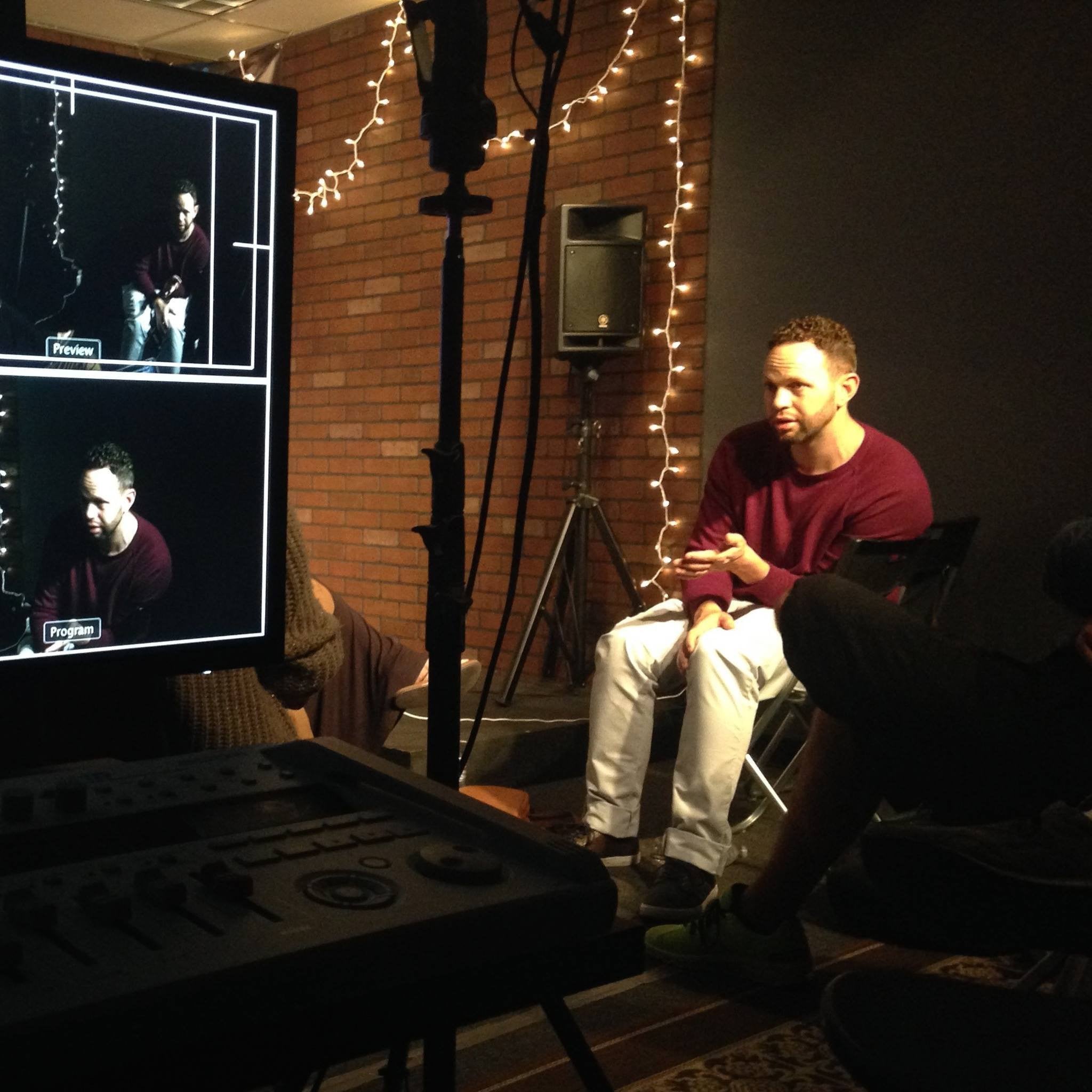
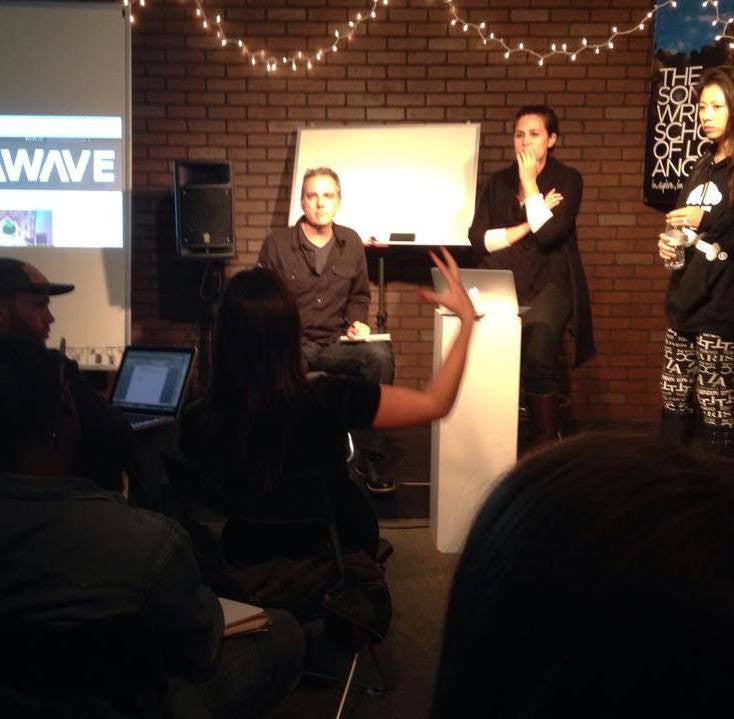
RETURNING IN WINTER '24! Your Modern Mindset Music Business Weekend Intensive: In-Person & Online, Friday thru Sunday, dates TBA!
$ 299.00 $ 599.00
RETURNING FOR THE FIRST TIME SINCE PANDEMIC! Gaelen Whittemore returns for this impactful, hands-on guide to the modern music business, live and in-person and streaming live in multi-cam HD, Friday evening thru Sunday late afternoon,... View full details

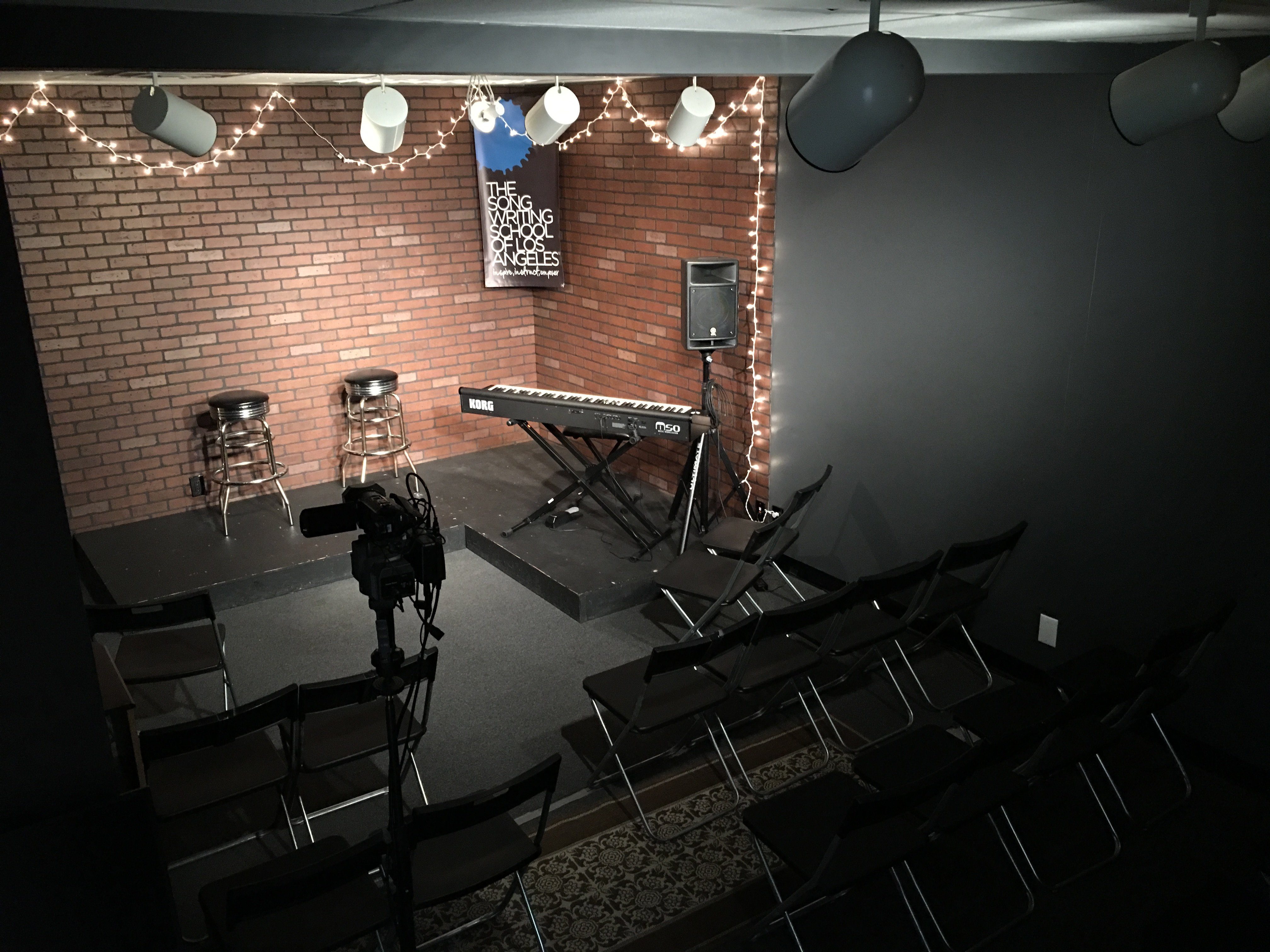
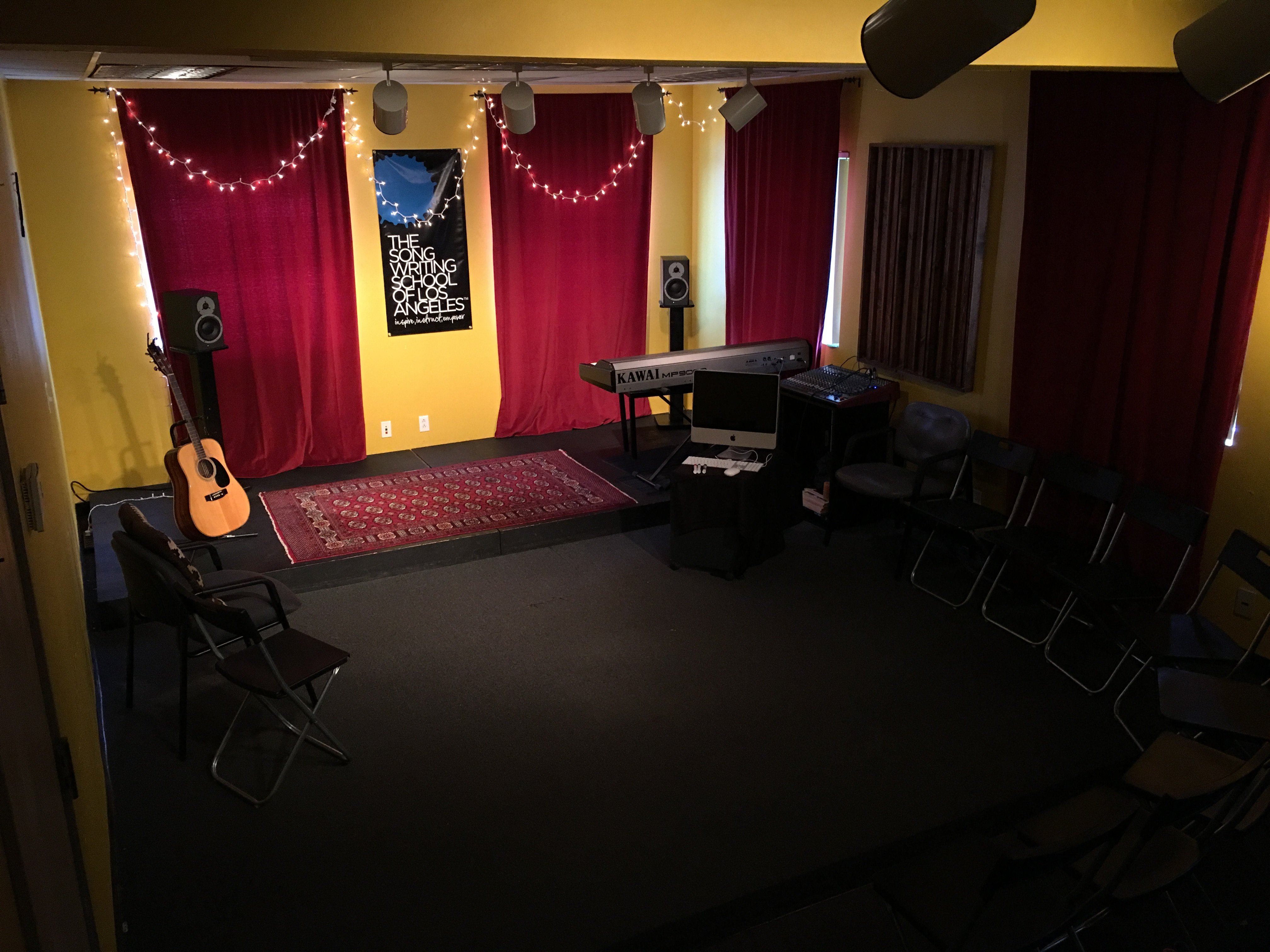
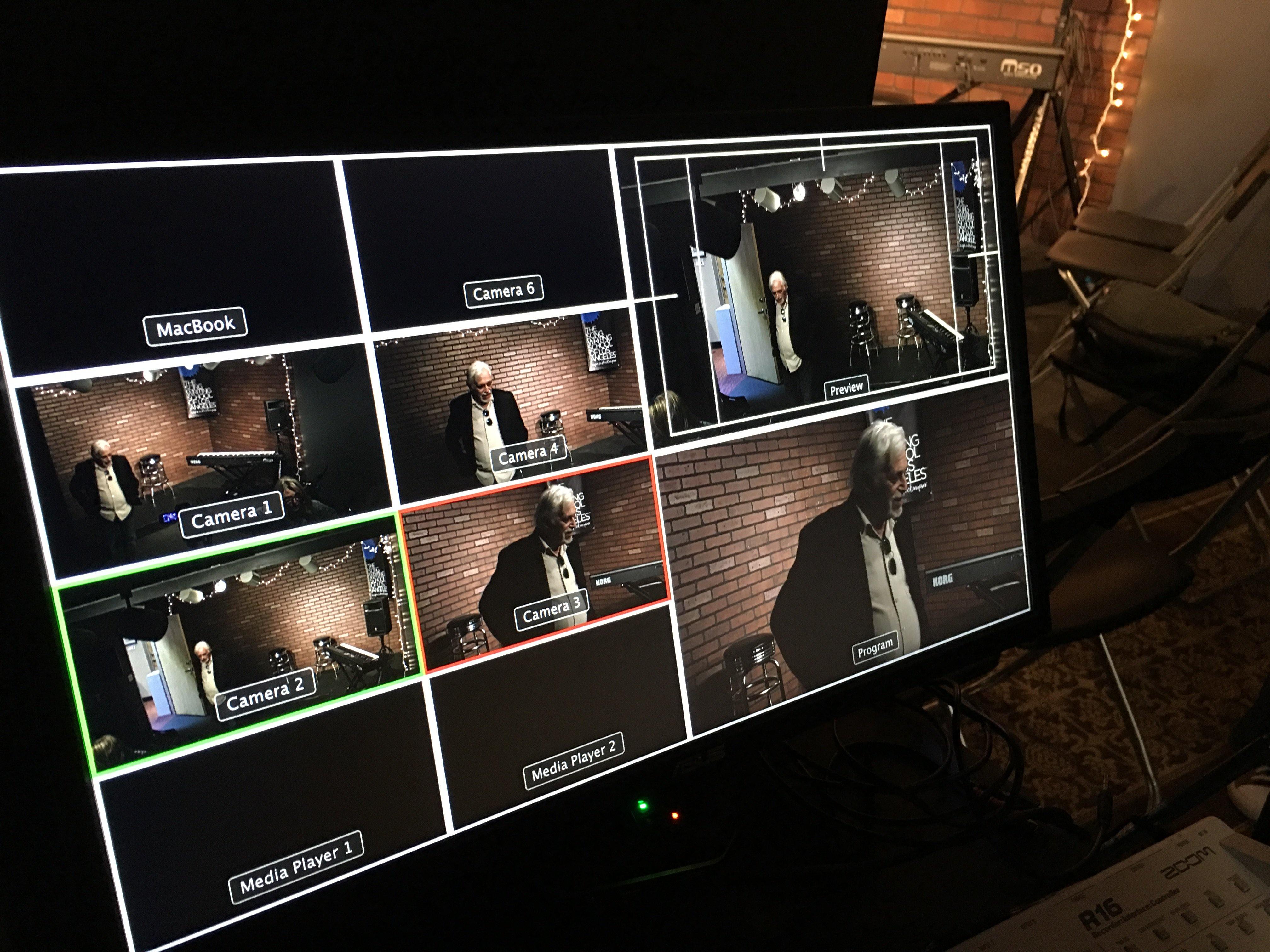
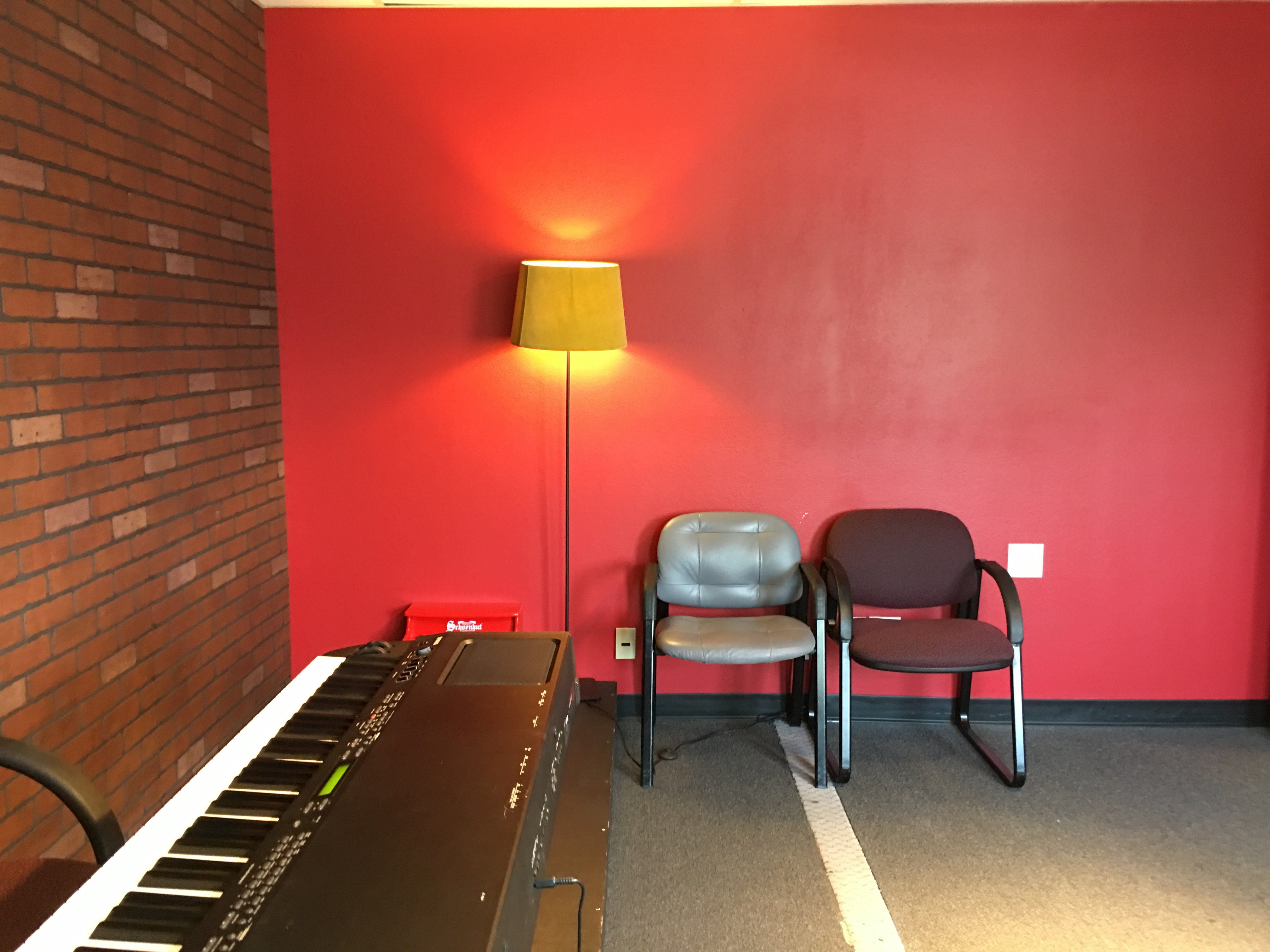
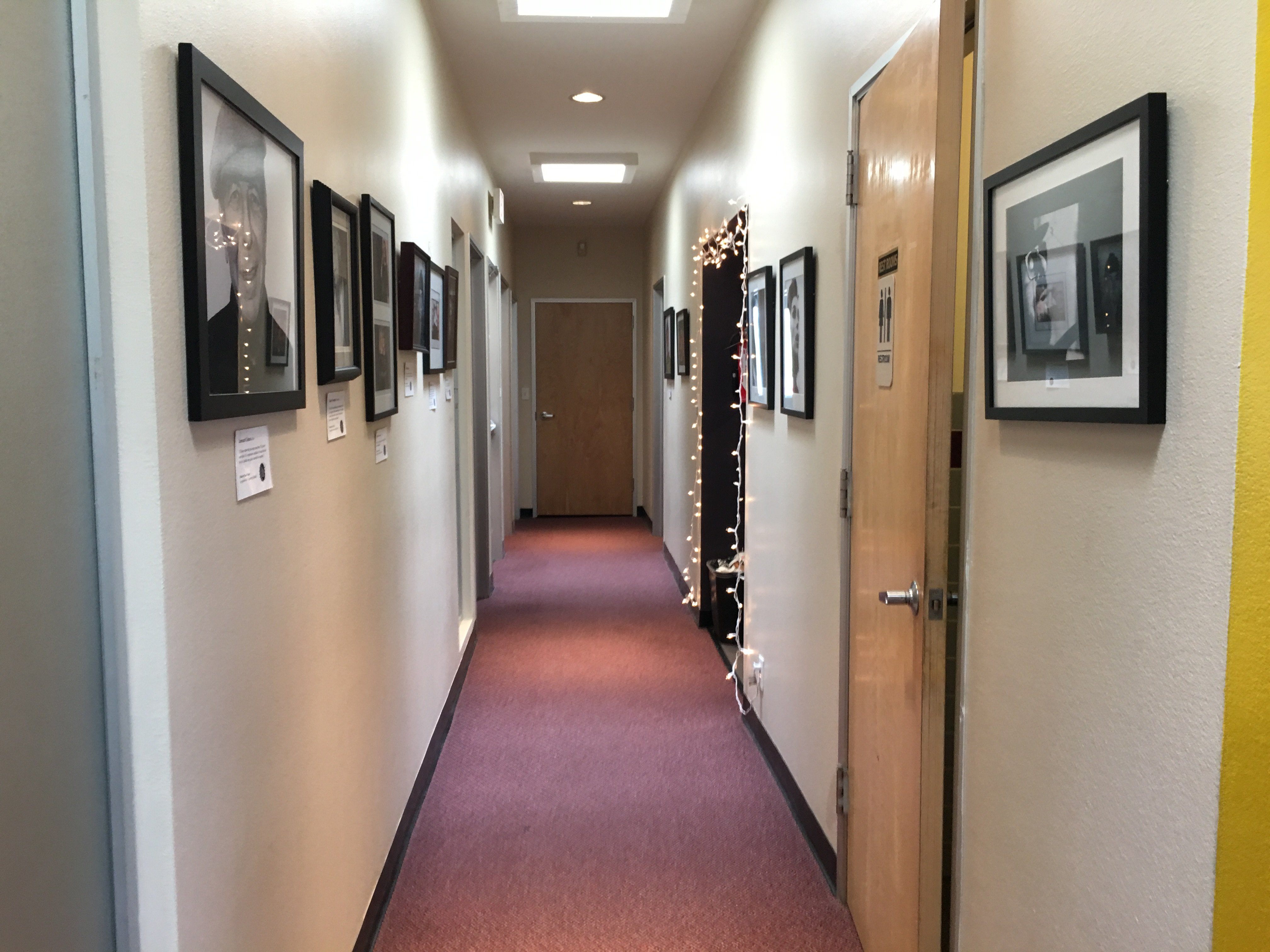
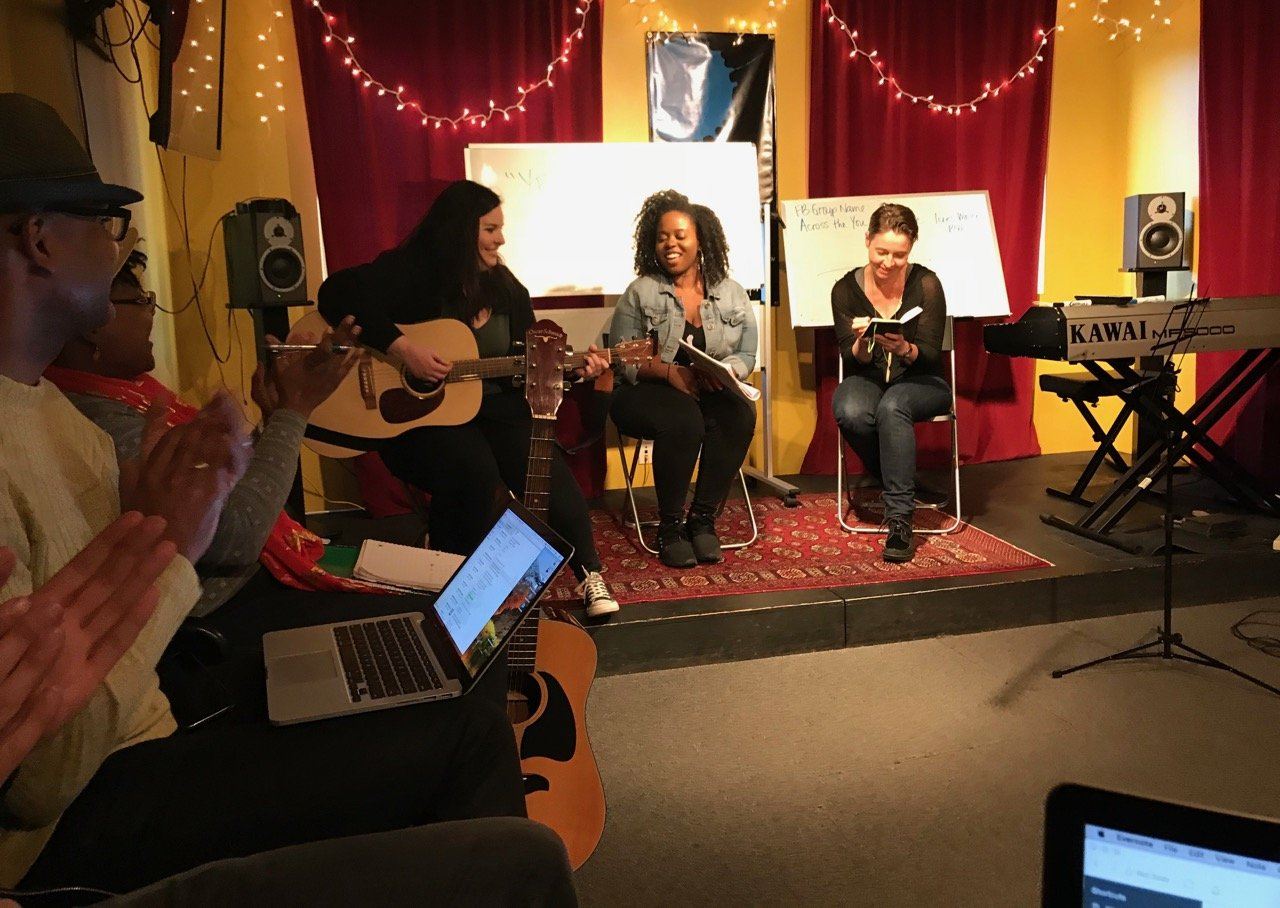
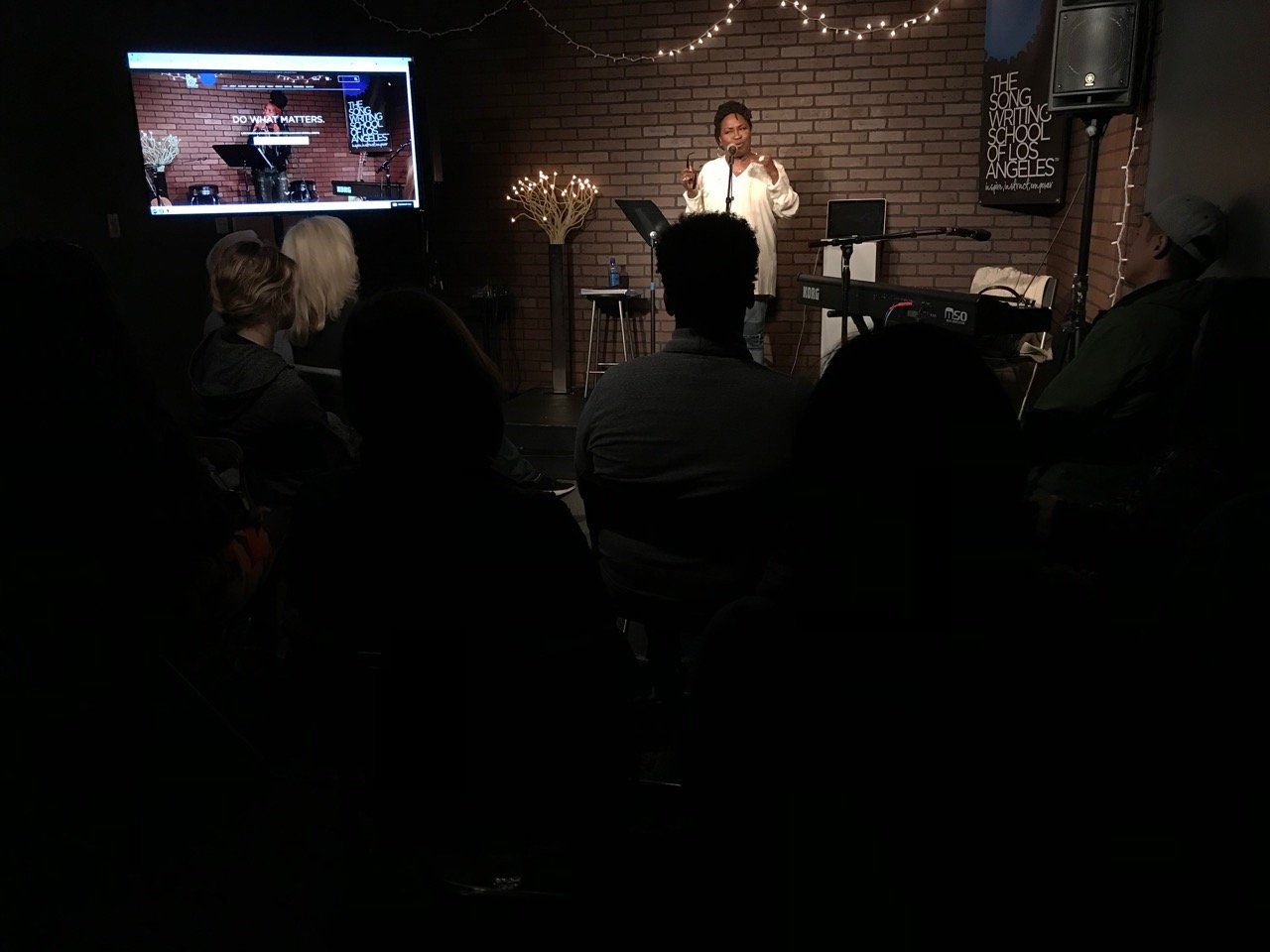
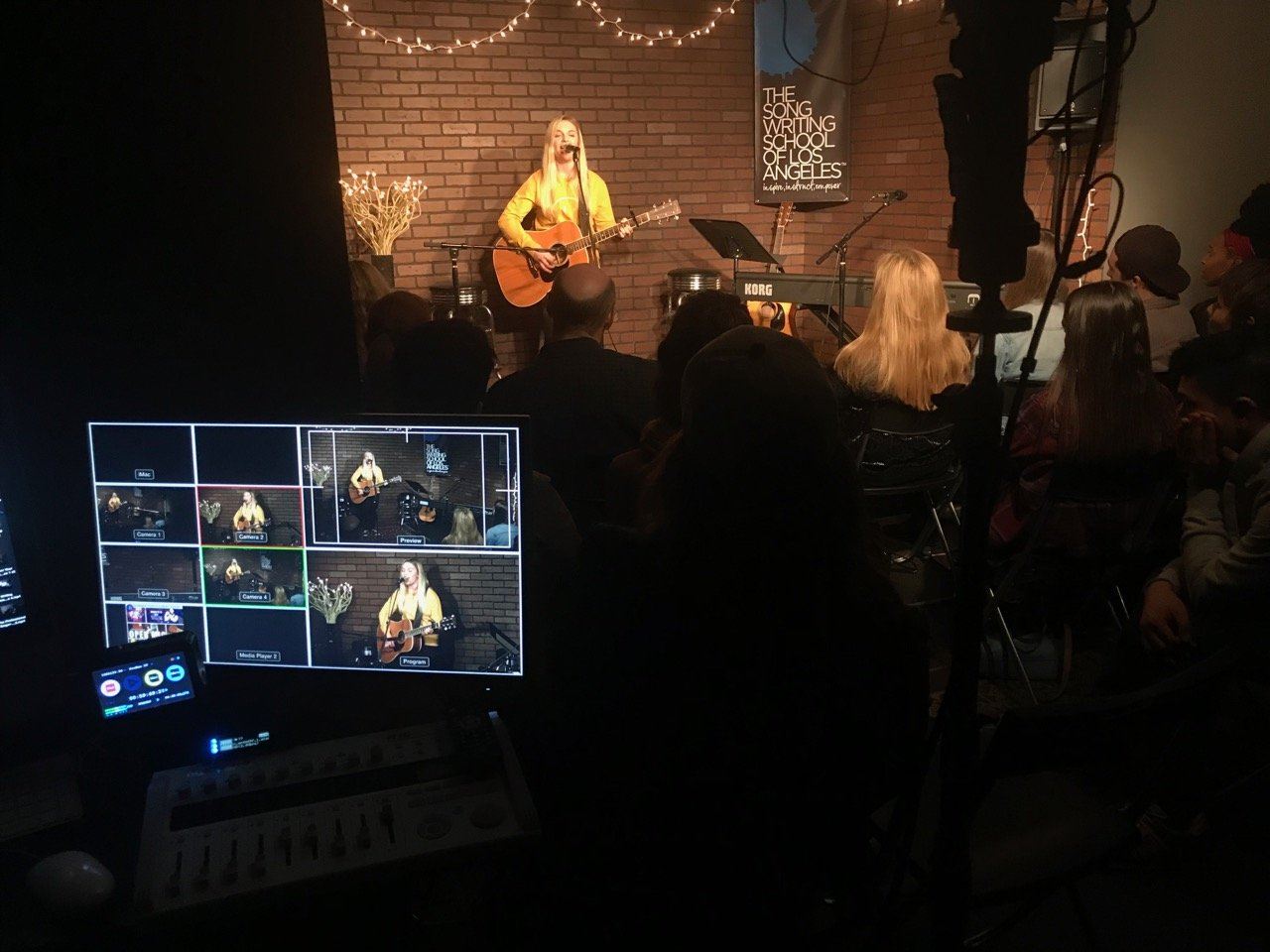
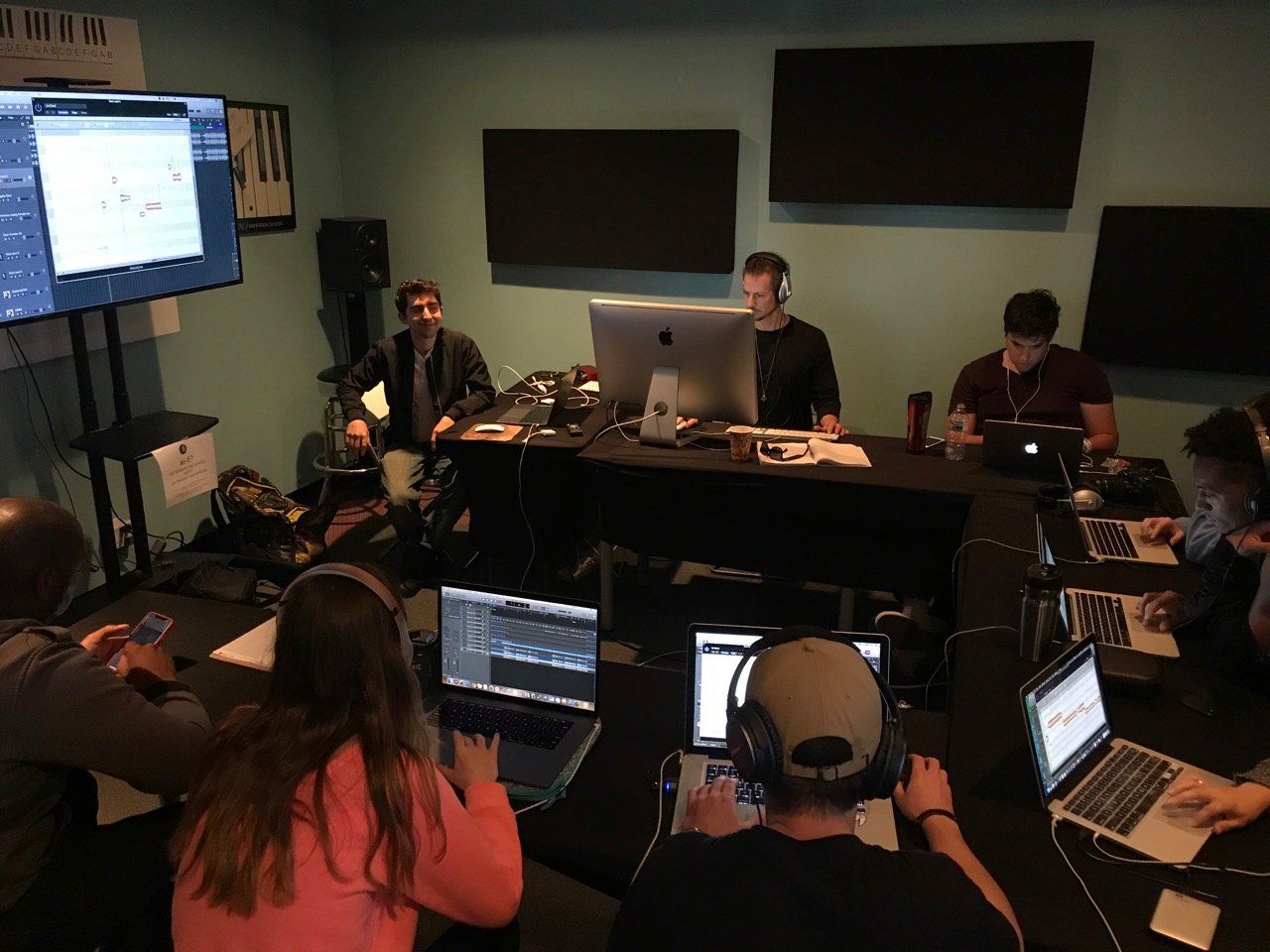
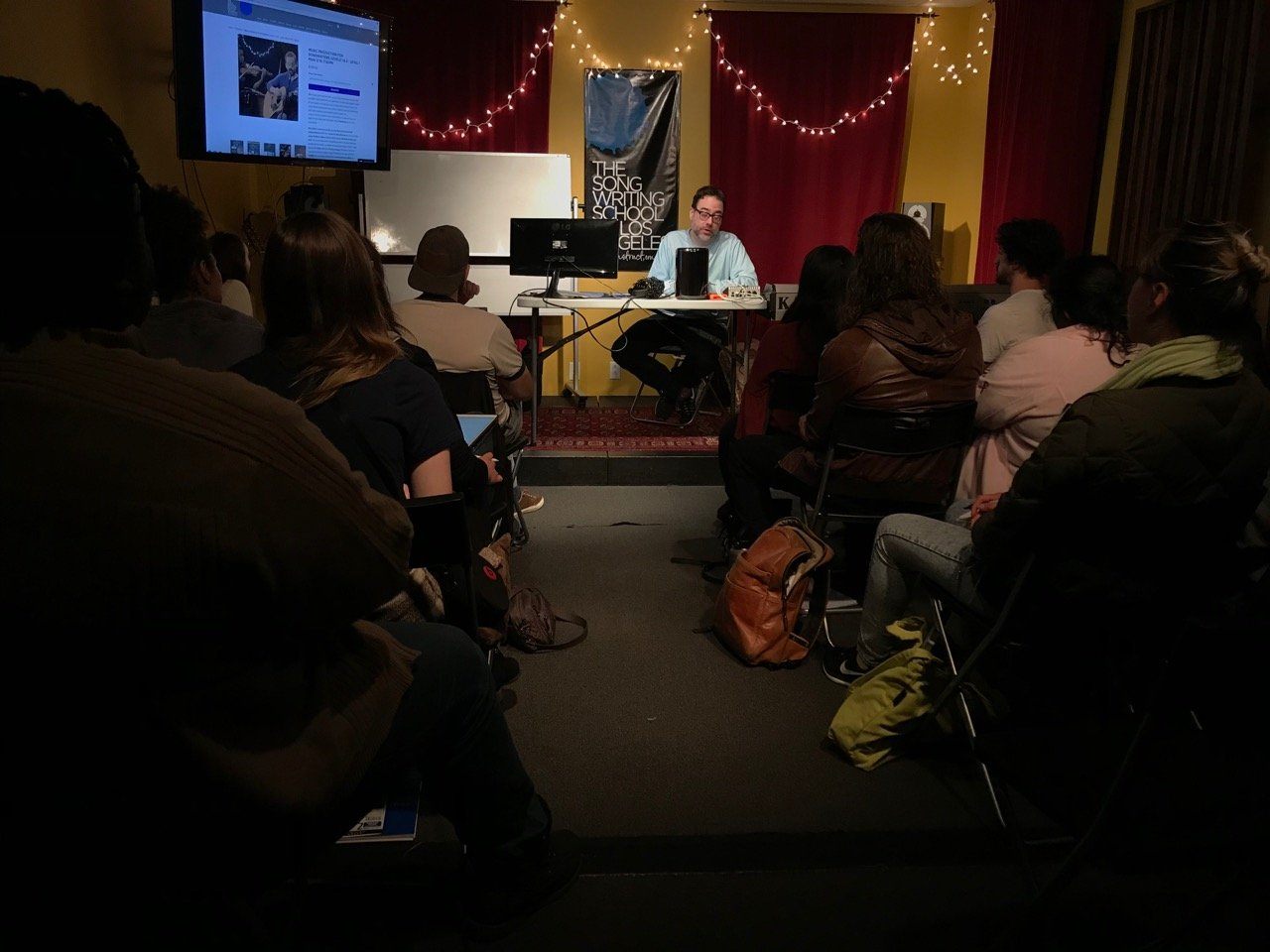
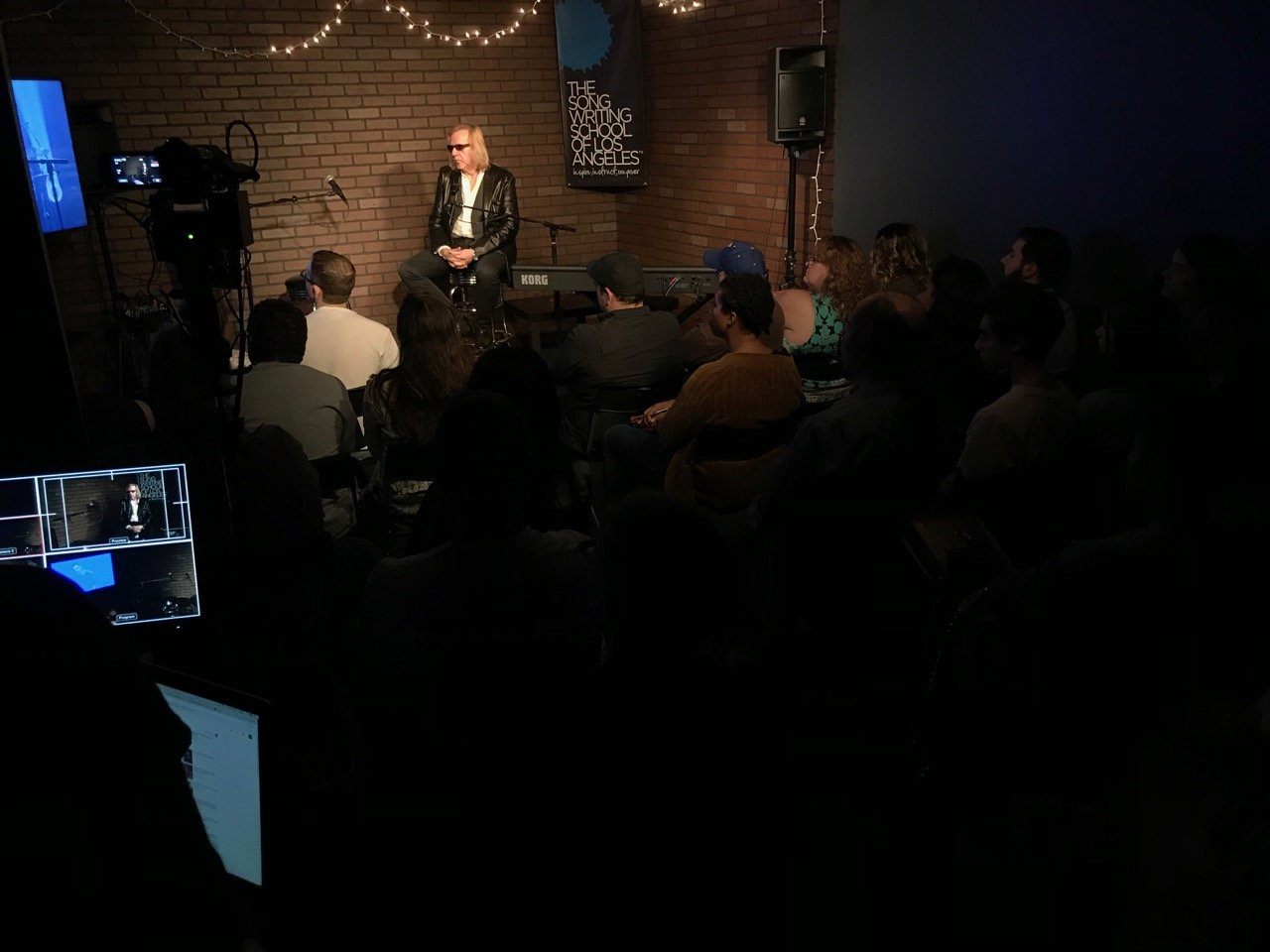
ROOMS TO RENT & CREATE IN
Free & Open Event
The Songwriting School has creative spaces for short-term rental, ranging from private writing and collaborating rooms to larger rooms fit for recitals, auditions, vocal and acoustic rehearsals, seminars, workshops, lectures, demonstrations, meetings, and more. For specific... View full details

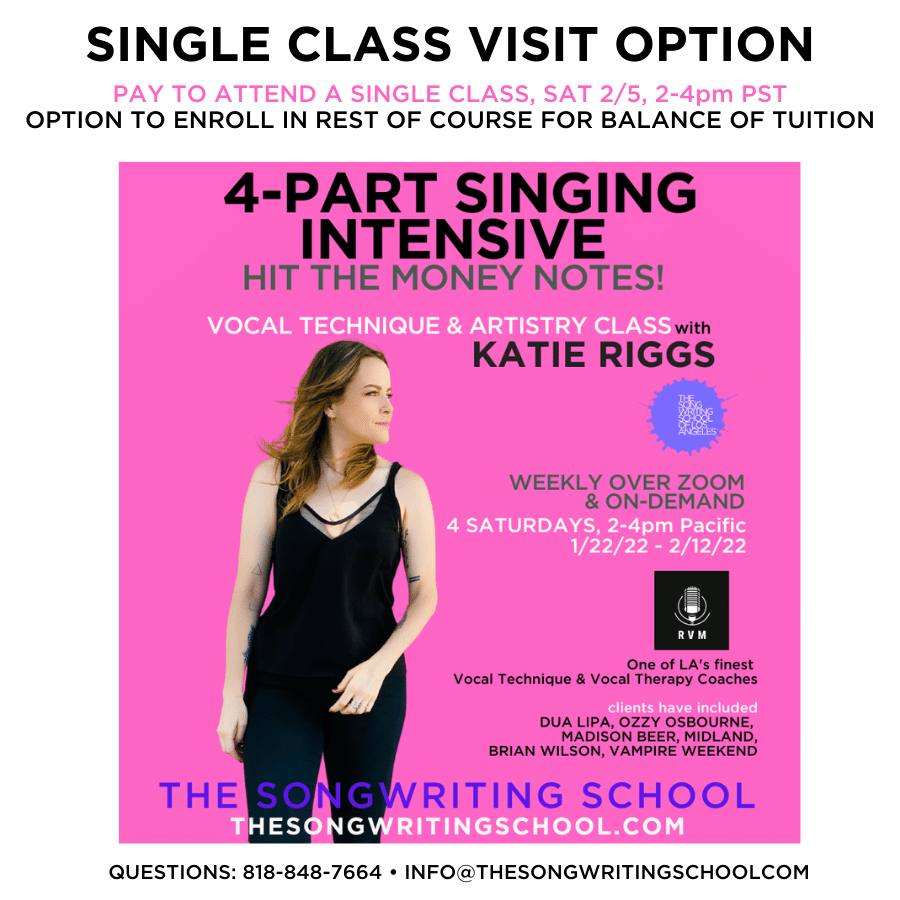
SINGLE CLASS VISIT: 4-PART SINGING INTENSIVE, Hit the Money Notes! with KATIE RIGGS WINTER 2022, Saturday 2/5/22, 2-4pm
$ 125.00 $ 399.00
SPECIAL CHANCE for two singers each week to pay to attend ONE class meeting SAT 2/5, live over Zoom or on-demand. Option to then take the entire course for the balance of tuition (meaning previous... View full details

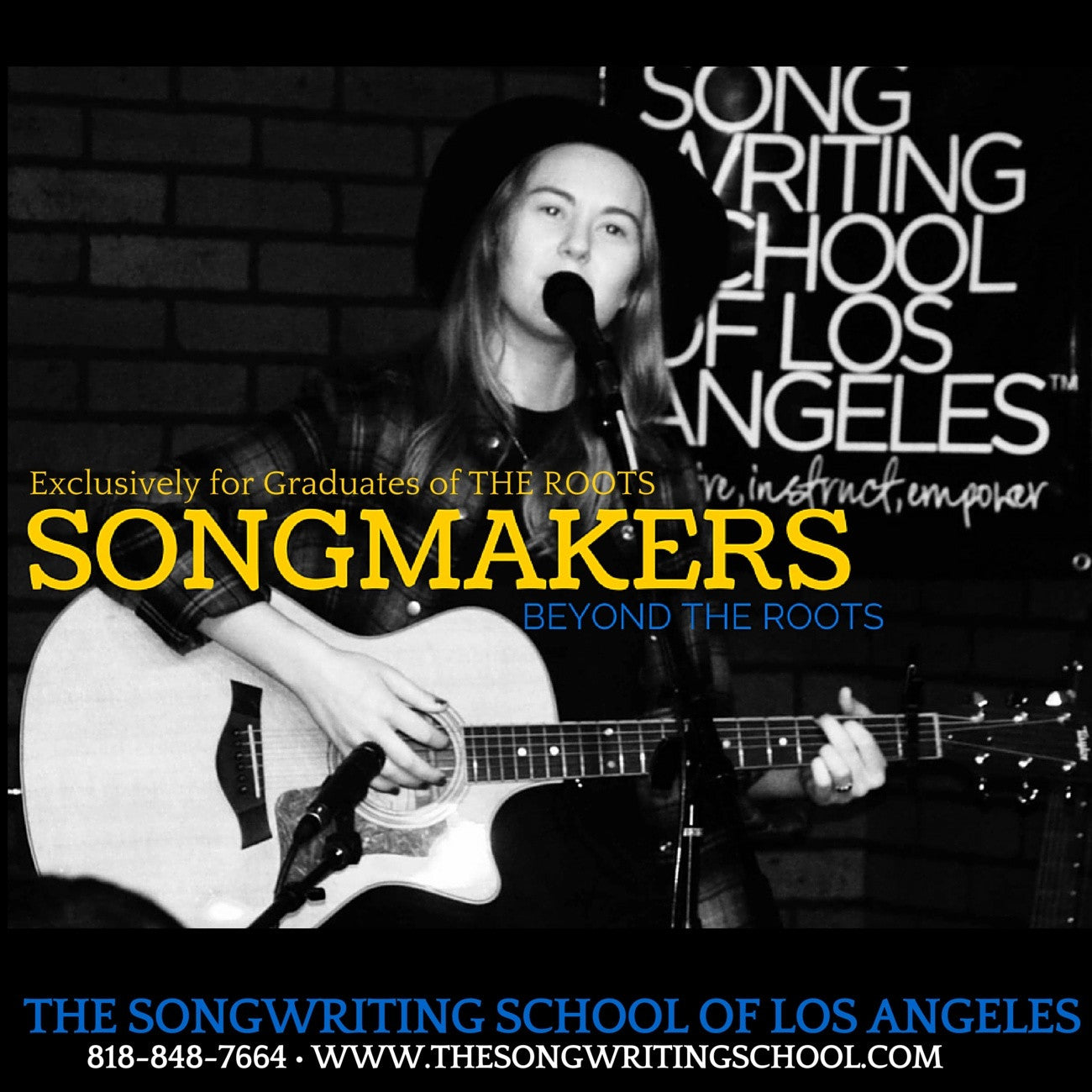
SONGMAKERS: Beyond The ROOTS - Weekly Song Feedback & Exercises for Graduates of THE ROOTS - ONLINE INTERACTIVE, SPRING 2024 STARTS SAT 4/27/24 or TUES 4/30/24!
$ 399.00
Please note new dates: SPRING 2024 starts SATURDAY 1427/24, 10am PT or TUESDAY 4/30/24, 10am PT--still all online over zoom. 9(!) Meetings in each section with an optional additional in-person group gathering at season's end... View full details

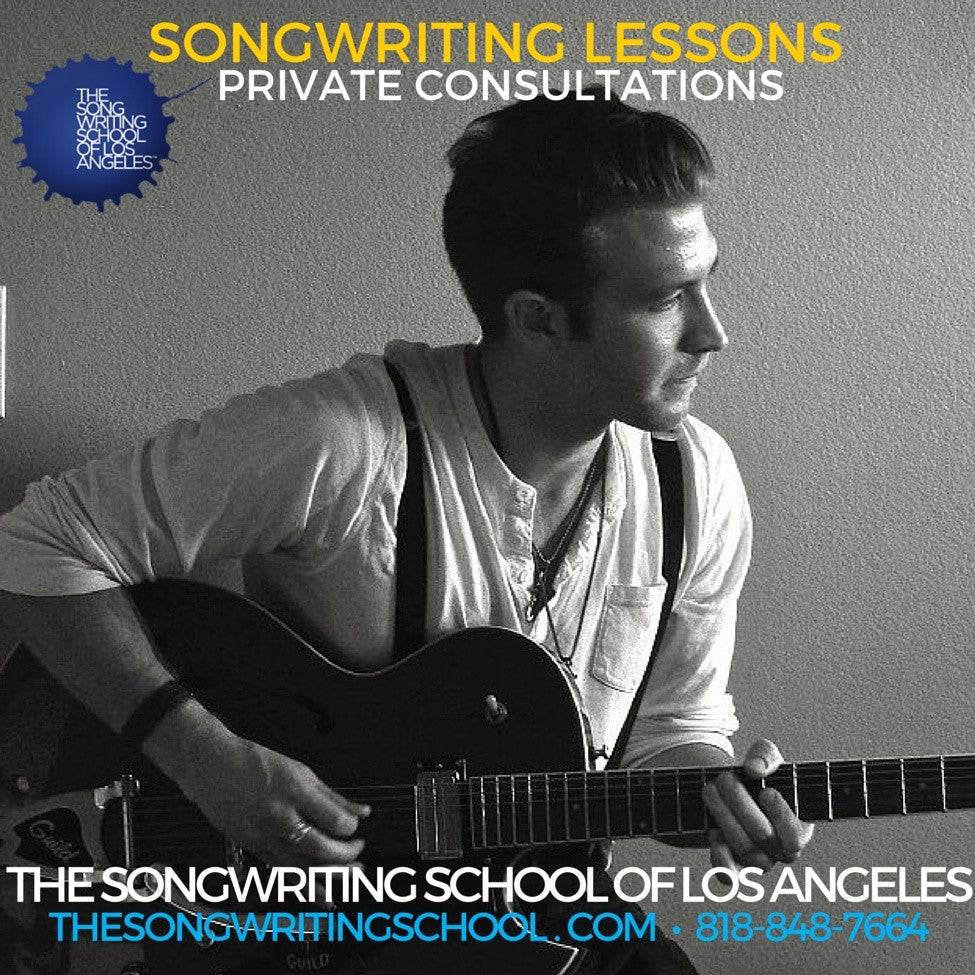
SONGWRITING LESSONS & Private Consultations - In-Person or Online via Video Conferencing
$ 100.00
For the time being, all private sessions are held over Zoom during the pandemic. Our instructors work with songwriters all over the globe in various genres. Want to move at your own pace and work... View full details

Thank you for your generosity & for supporting our mission to inspire, instruct, & empower at The Songwriting School!
Free & Open Event
We are able to put on remarkable events like this one because of the generosity of many. Thank YOU for your generosity of spirit in supporting our mission to inspire, instruct, & empower at The... View full details

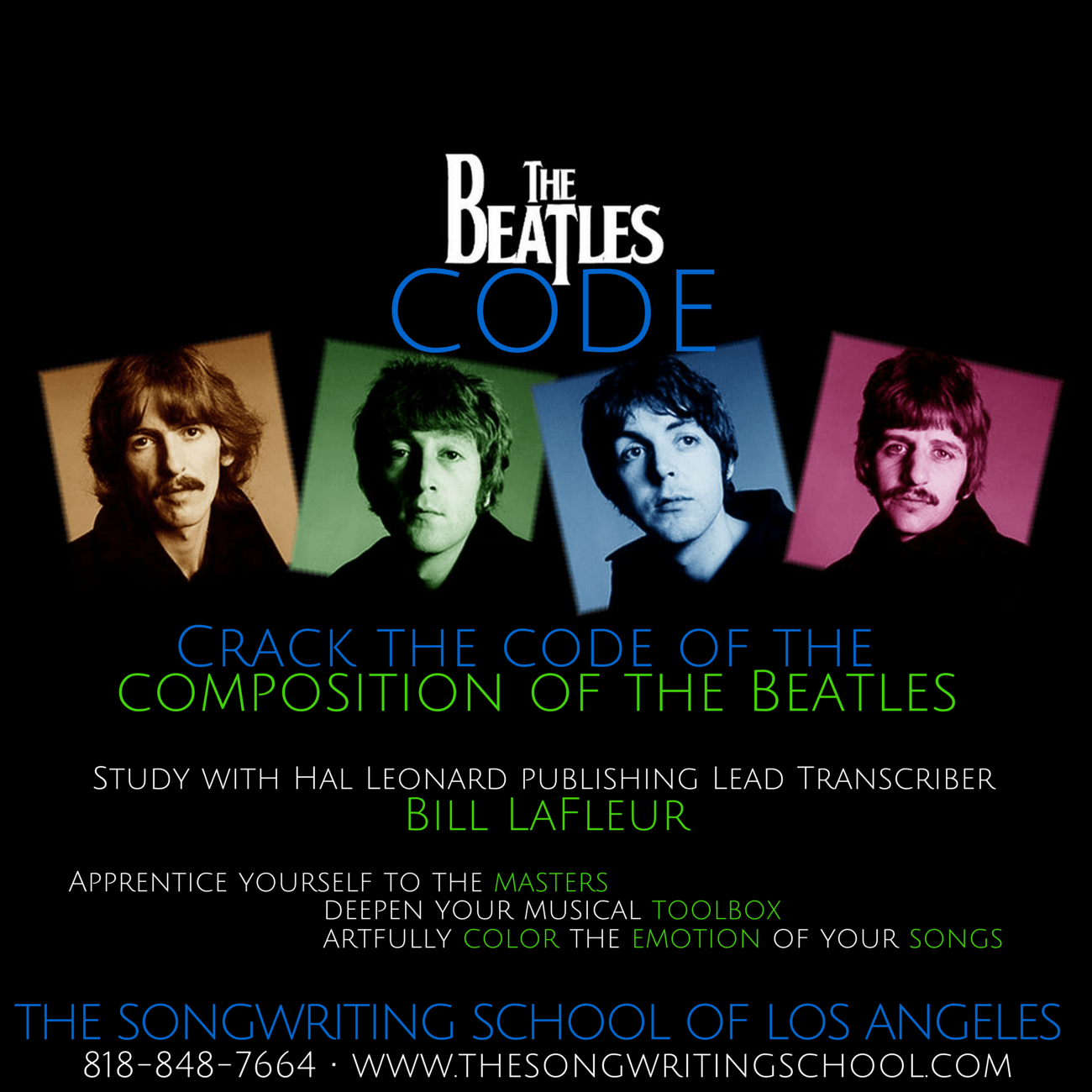
The Beatles Code: A Master Class in the Composition of The Beatles - ONLINE / On-Demand - Start Immediately
$ 299.00
WATCH A SPECIAL EVENT WITH INSTRUCTOR BILL LaFLEUR HERE and ENROLL in this fully online & on-demand class. Explore the compositional mastery of the Beatles theoretical concept by concept and how each is used in different... View full details

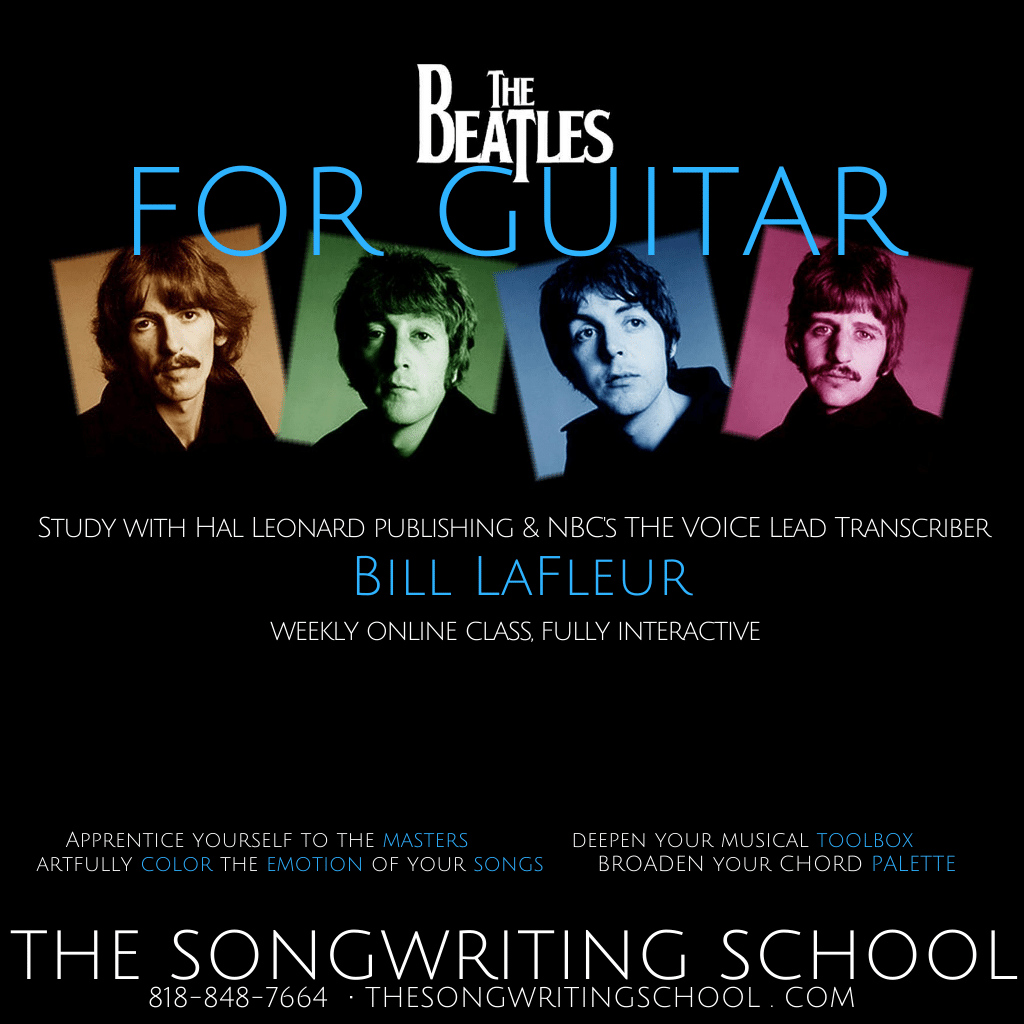
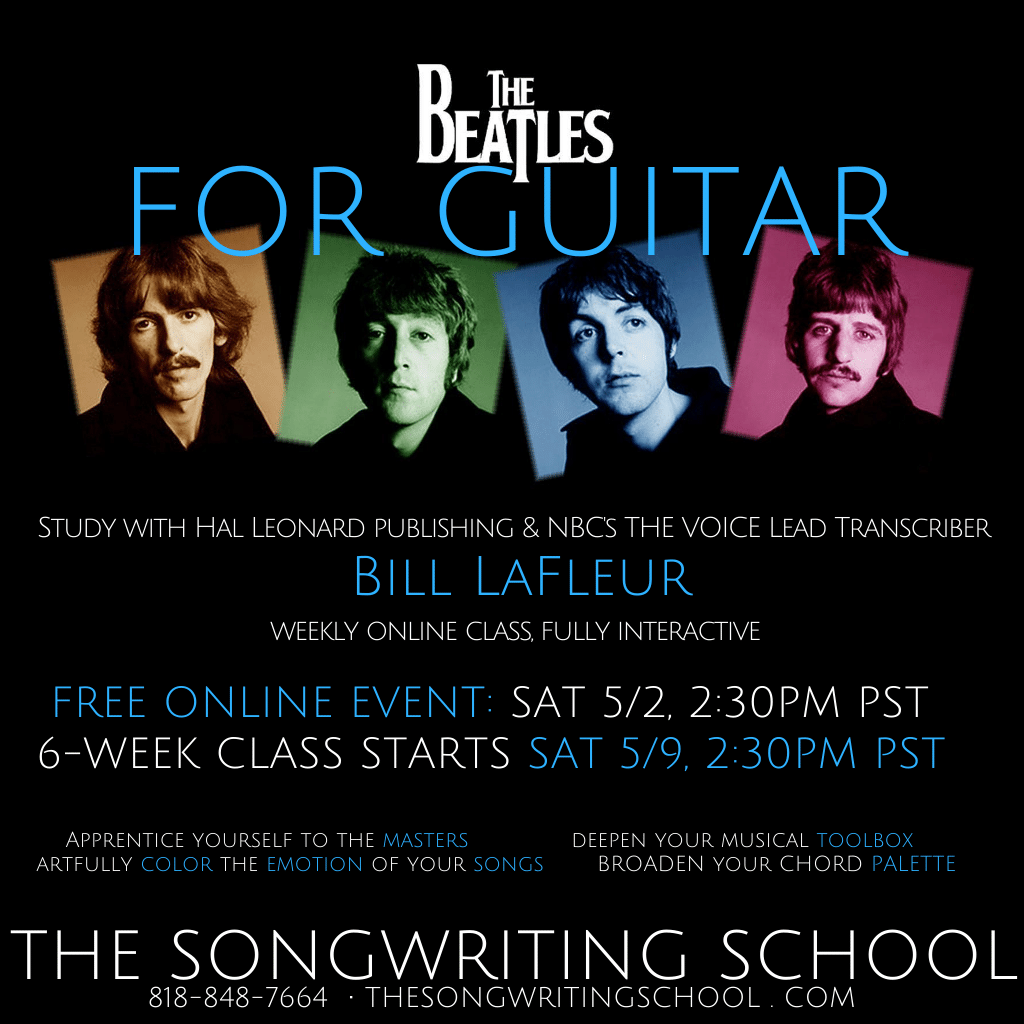
THE BEATLES FOR GUITAR: A SONGWRITING STUDY - On-Demand, Start Right Away!
$ 299.00 $ 350.00
They wrote the songs that changed music. Often on the guitar. In this mind-expanding class, you will study the Masters, with a master. You will learn not only how to play the great songs on guitar--you will... View full details

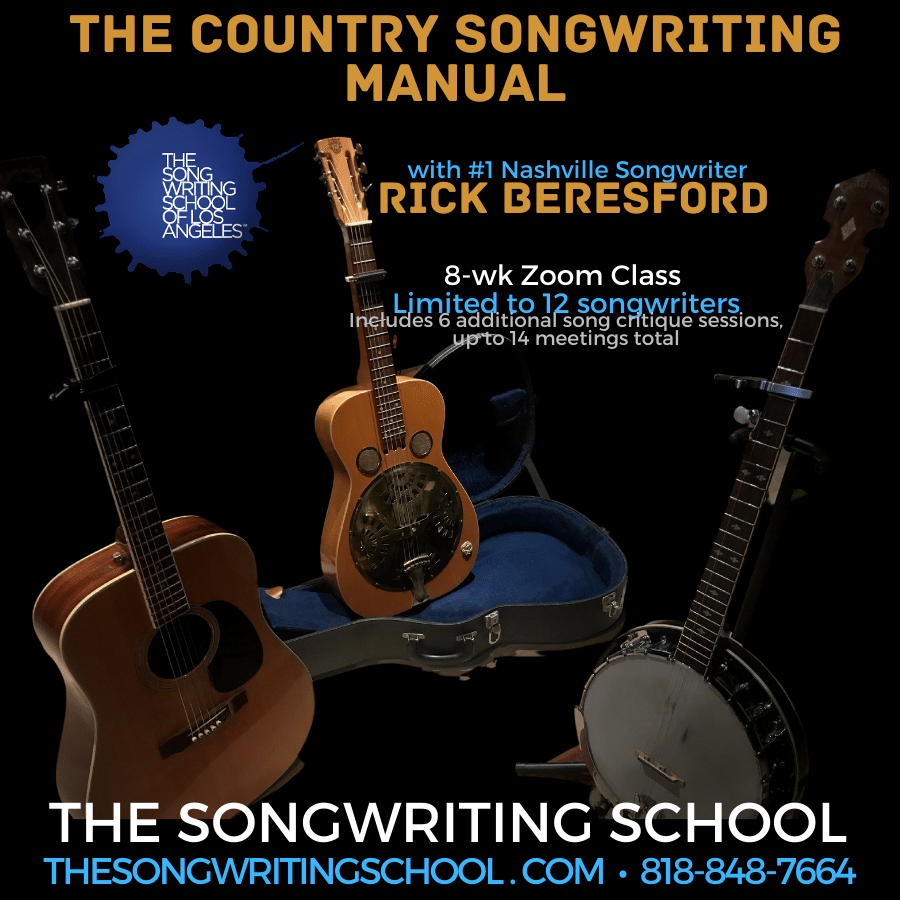
THE COUNTRY SONGWRITING MANUAL - Interactive Zoom Class with #1 Nashville Writer Rick Beresford - Additional Saturday Song Critiques + Weekly Sundays 1p PT - START TBD!
$ 599.00 $ 699.00
This popular zoom songwriting class RETURNS SPRING 2024, online live over zoom and on-demand only, with 8 weekly Sunday 1-3pm PDT classes and 6 optional/additional Saturday 1pm PDT song critiques. That's up to 14 meetings total with... View full details

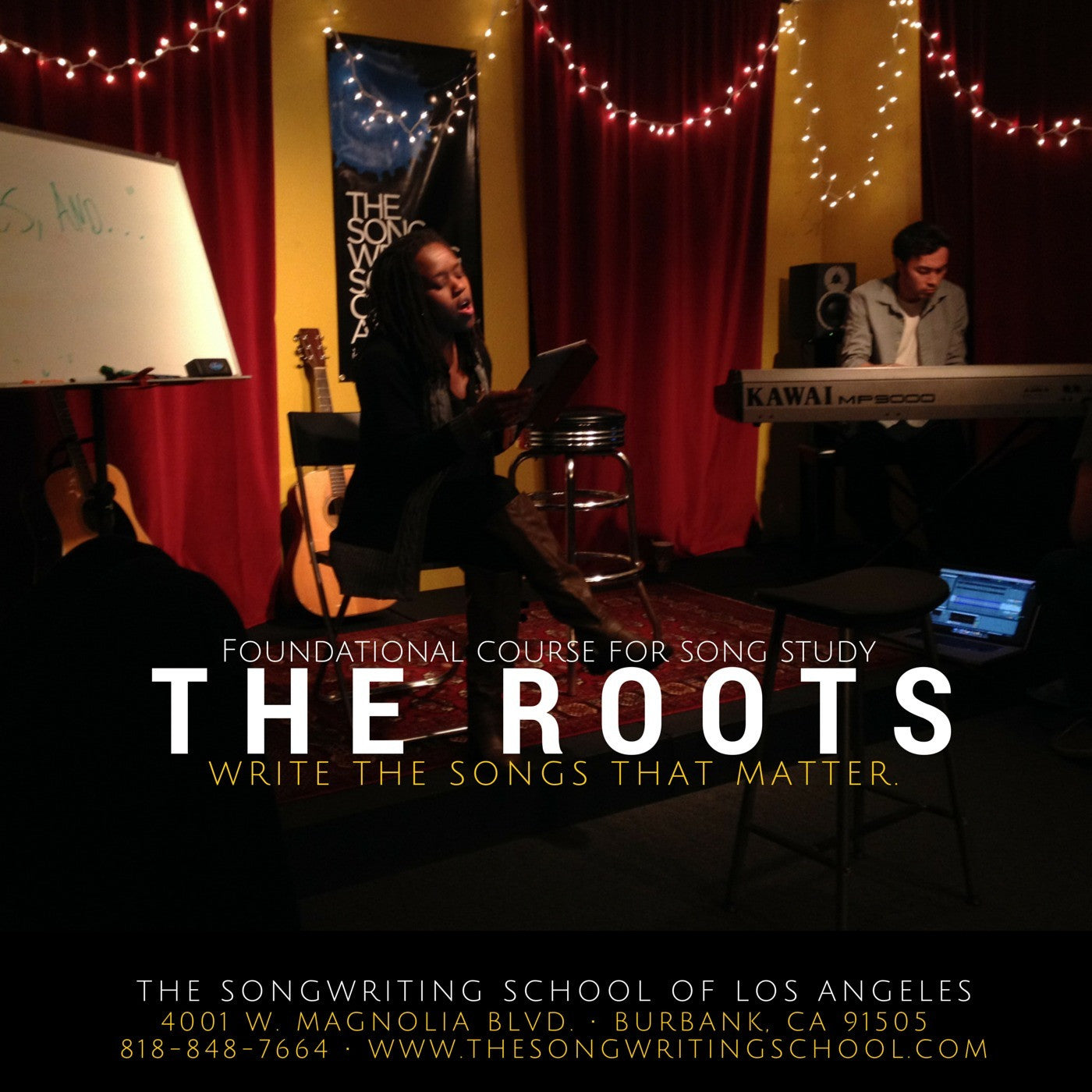
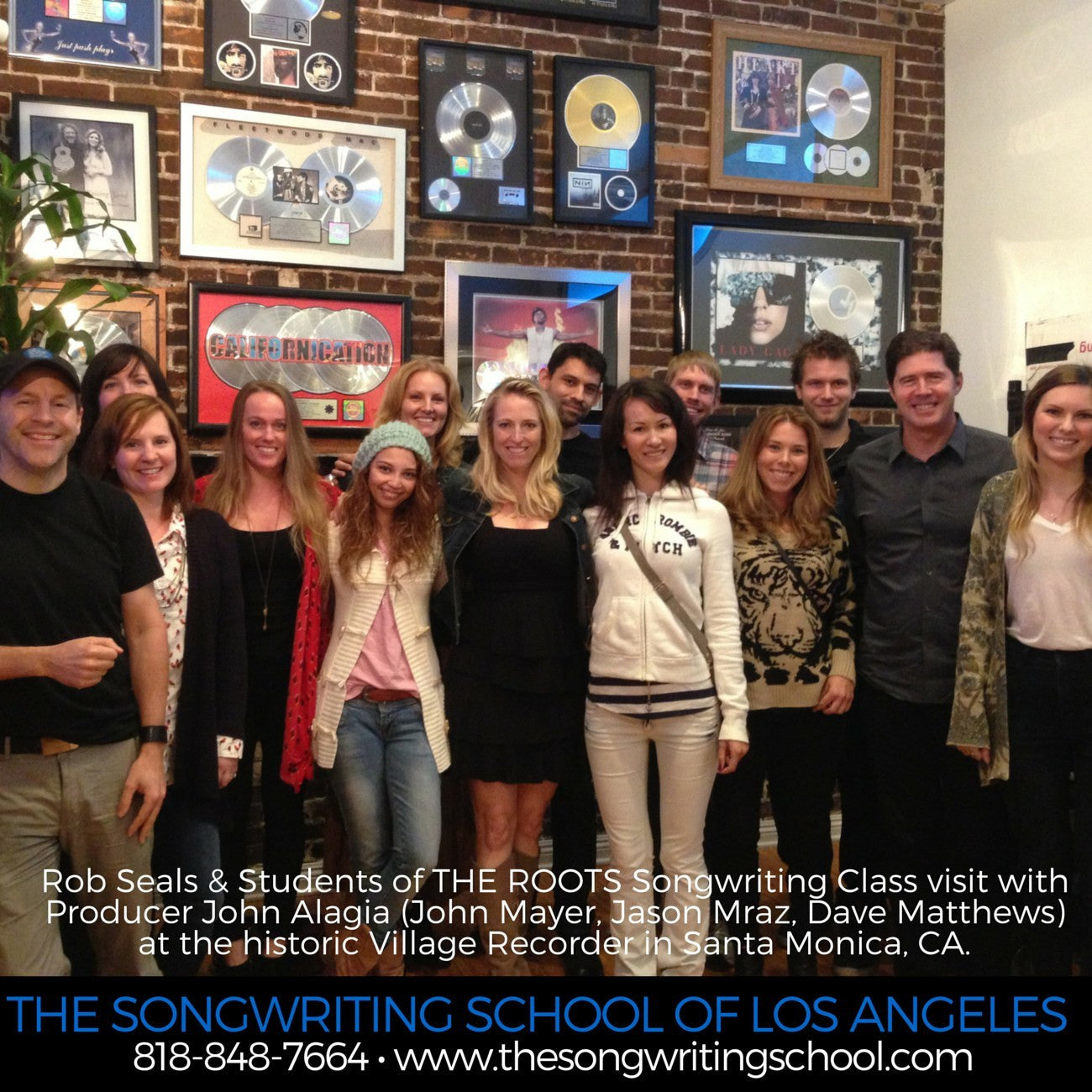
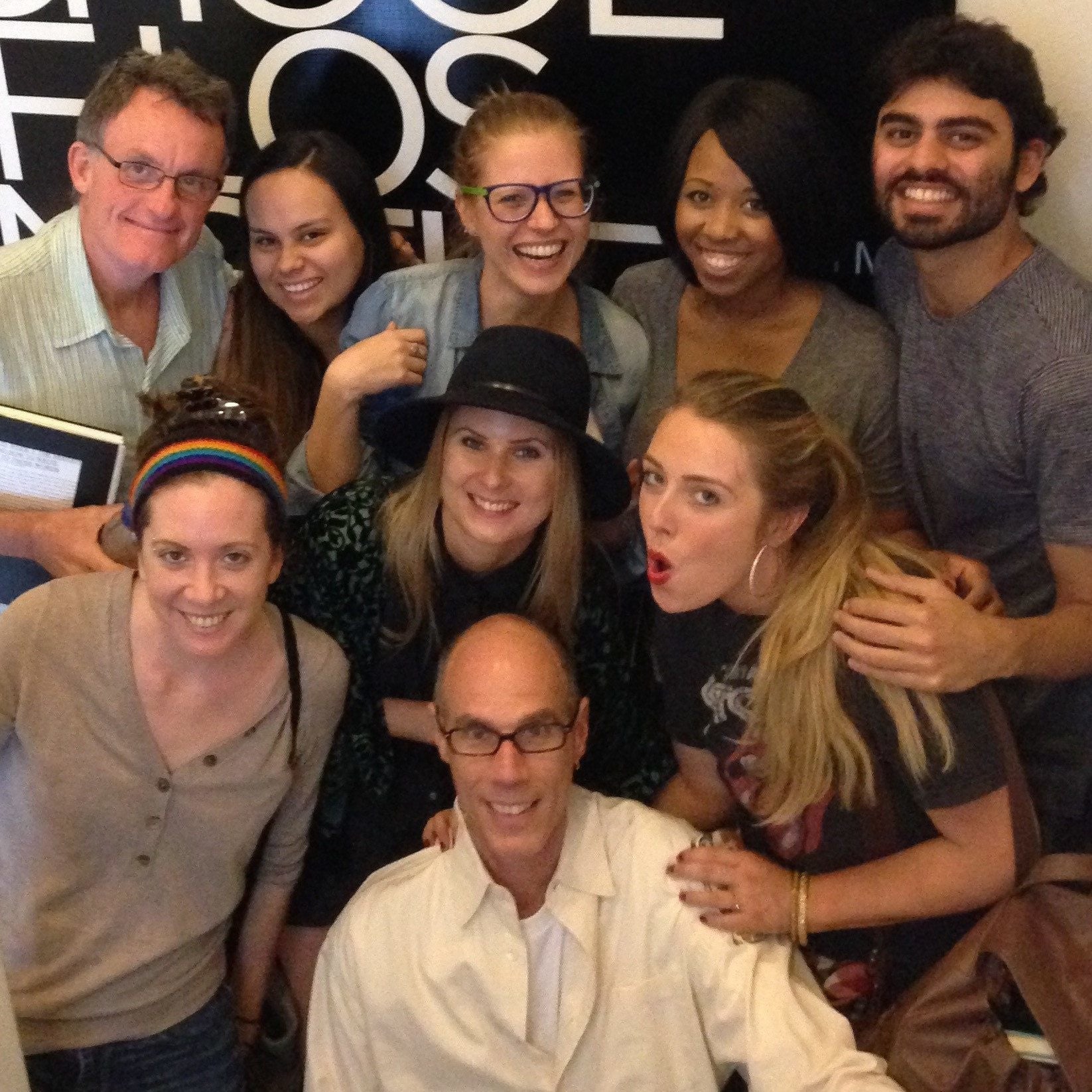
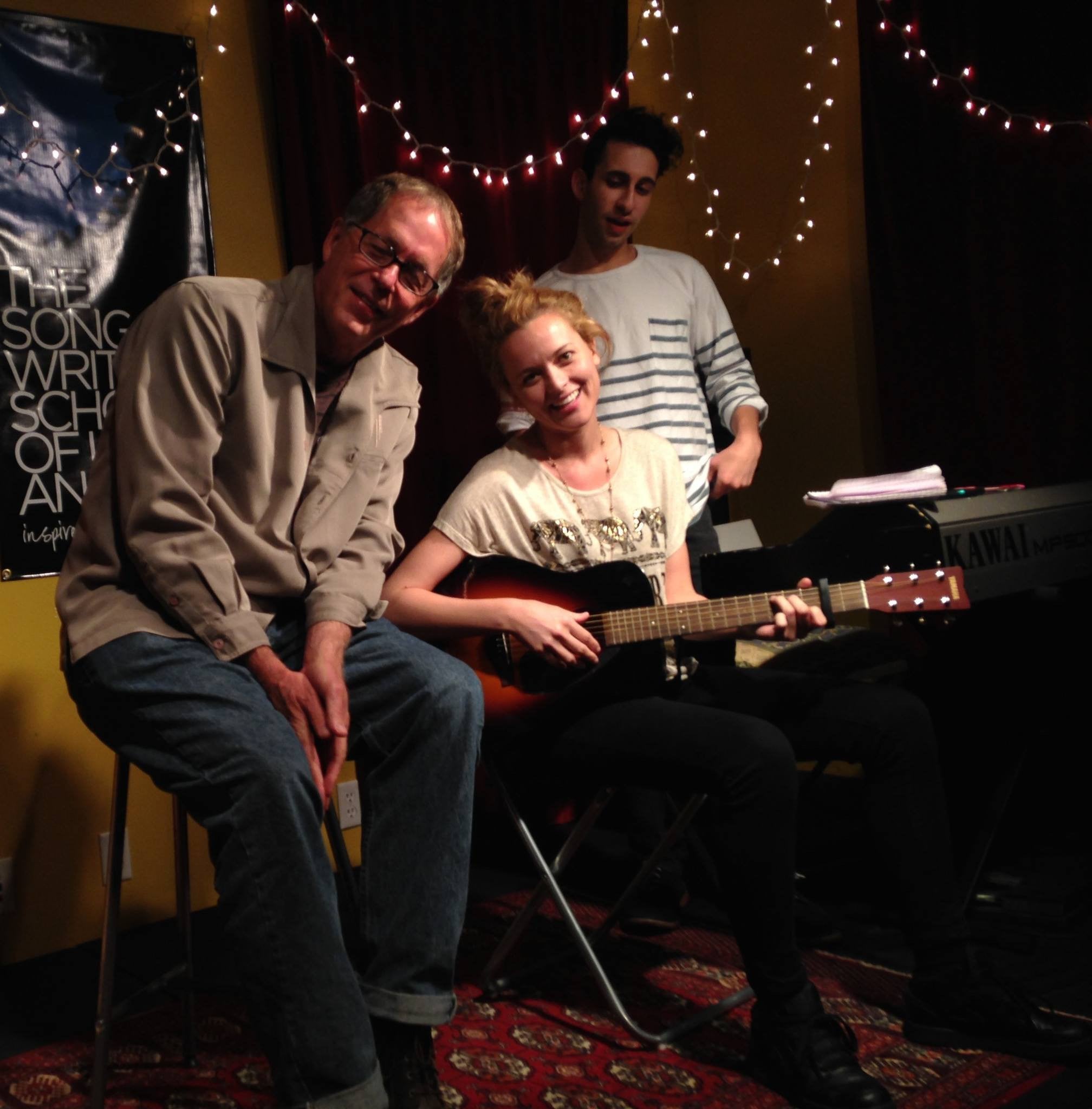
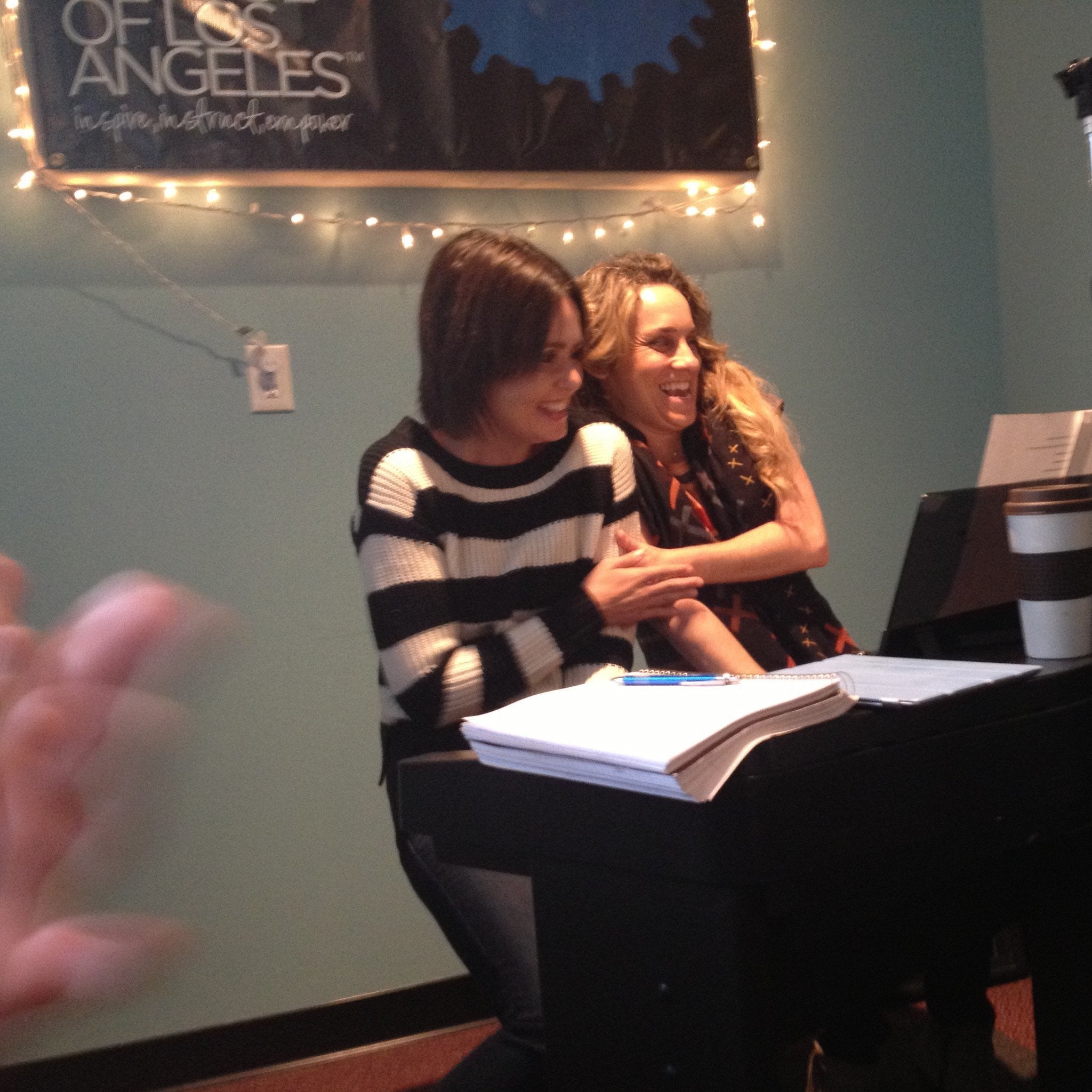
THE ROOTS - Foundational Course for Songwriting Study - ONLINE & FULLY INTERACTIVE - Wednesdays 7-10pm PT - SPRING Starts 5/15/24!
$ 499.00 $ 799.00
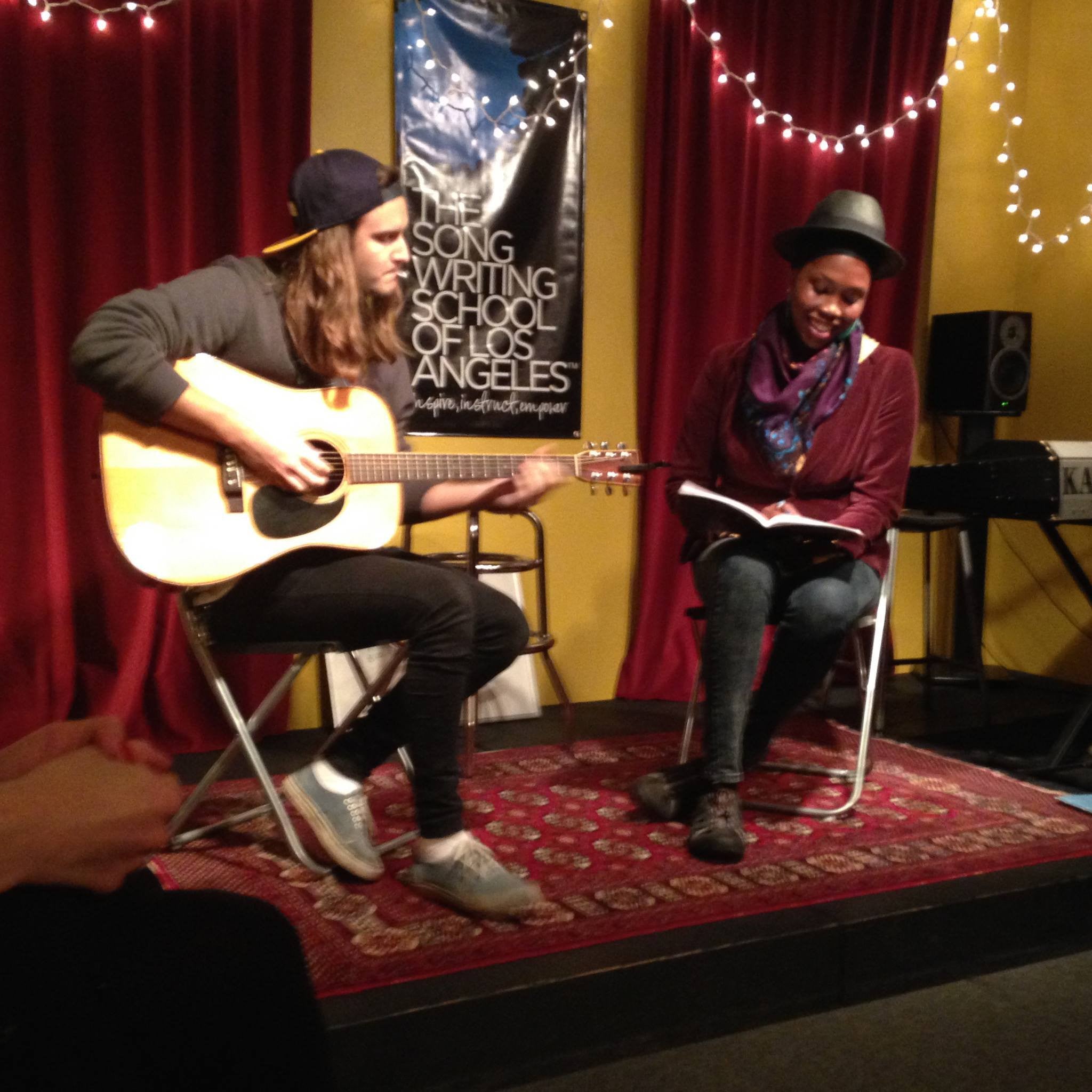
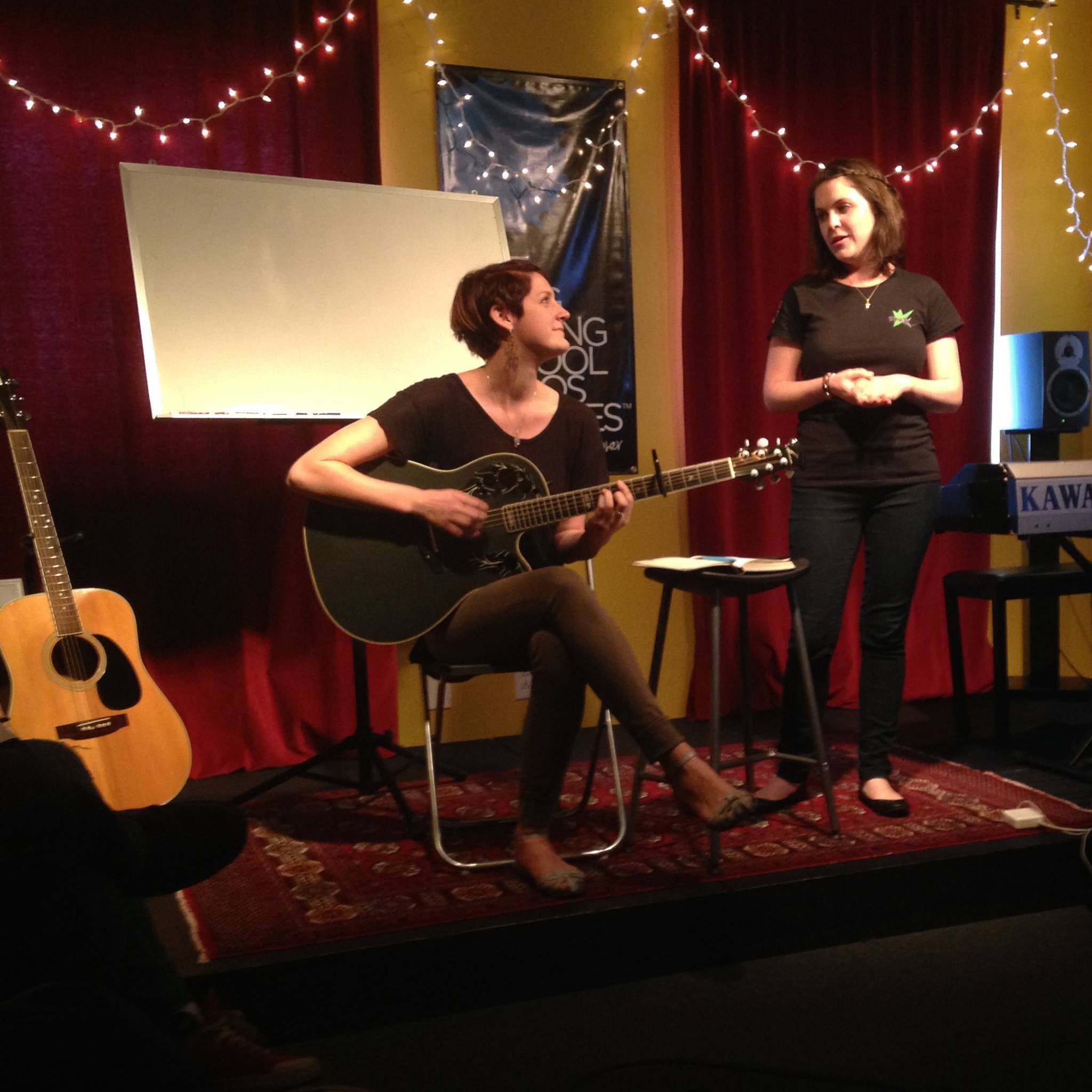
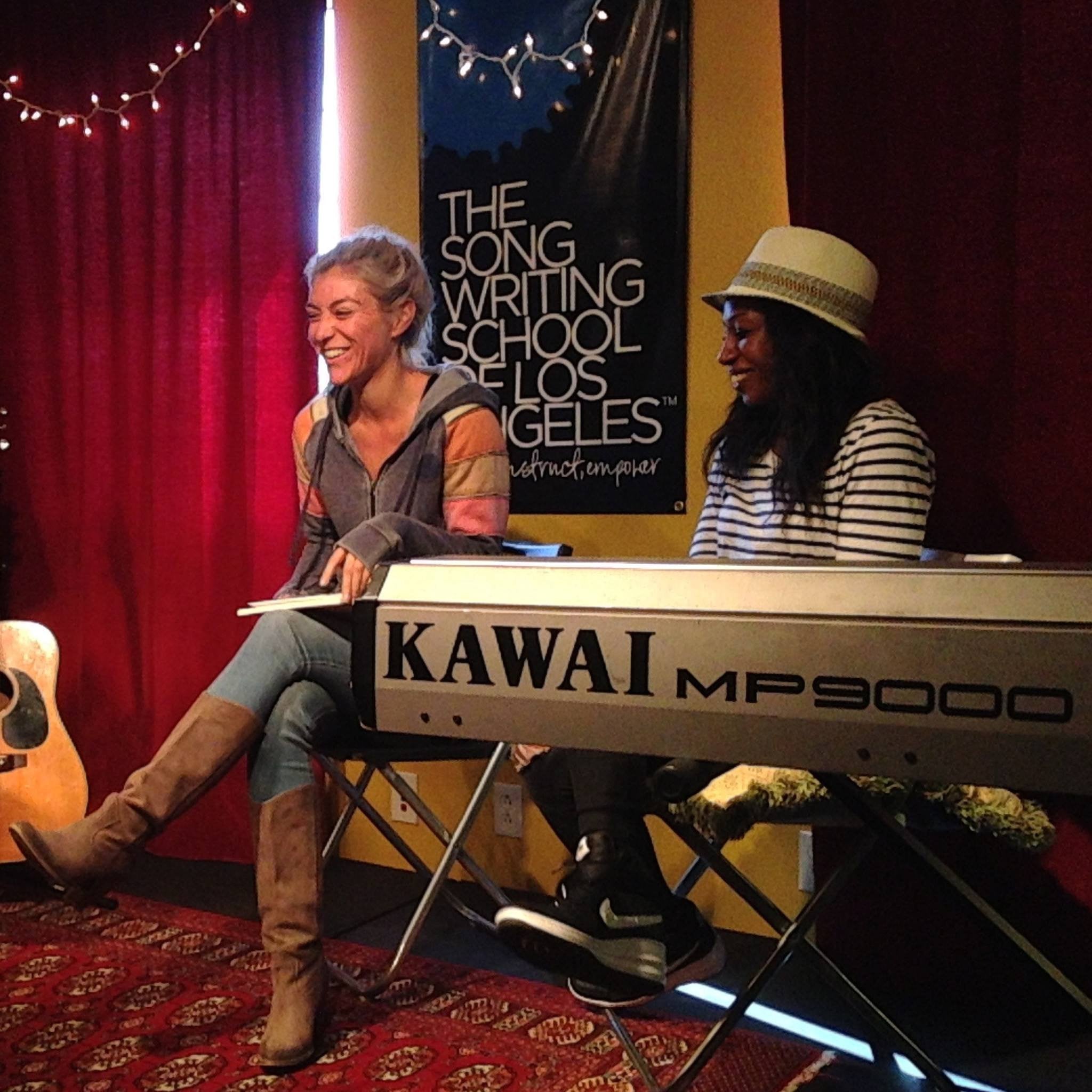
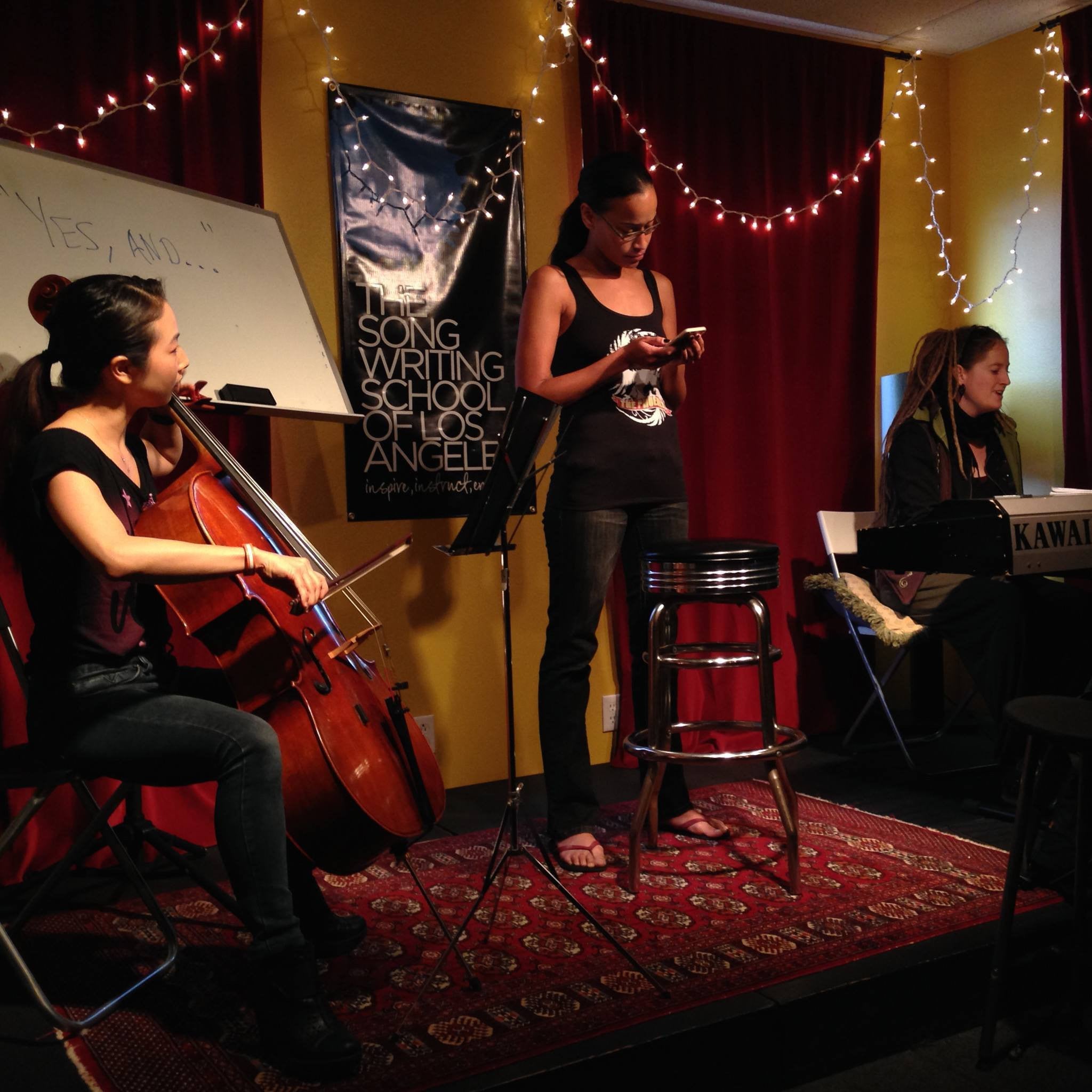
The SPRING 2024 section of THE ROOTS meets on WEDNESDAY nights 7-10pm PT starting 5/15/24, over Zoom only with full replays and support materials on-demand--and in-person co-writing for LA people(!) in classes 5 and 6... View full details

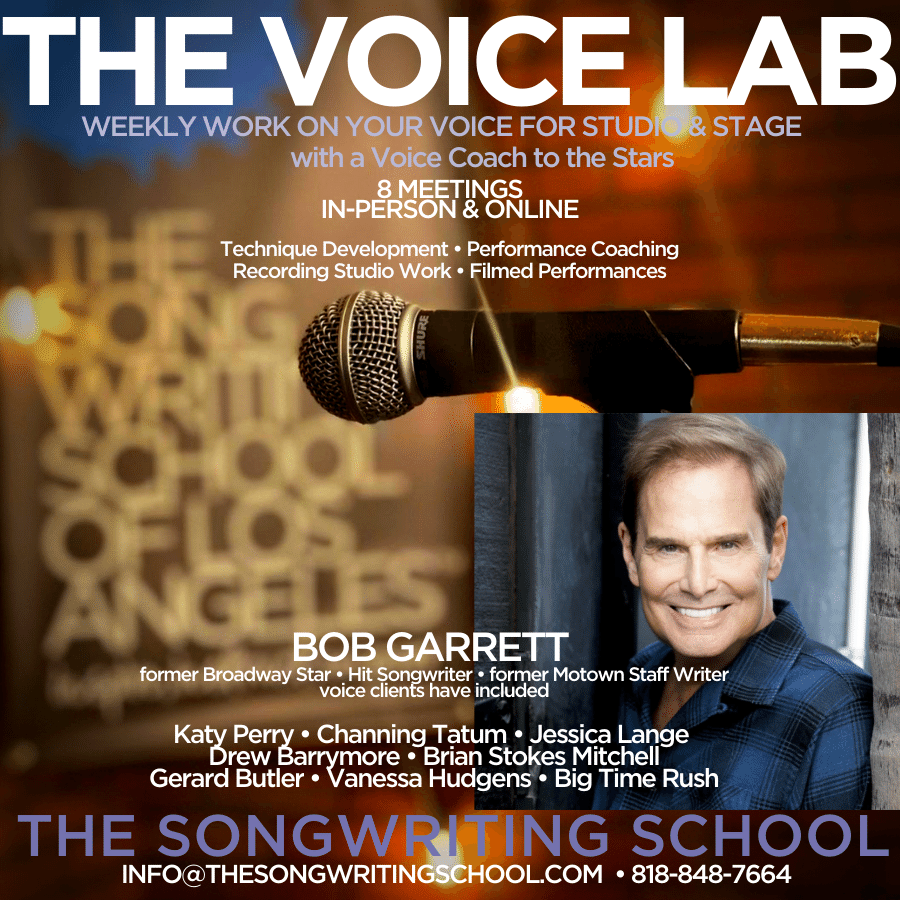
THE VOICE LAB with Bob Garrett - Vocal Technique & Performance - SUMMER TUESDAYS, In-Person and Online - EVENT TU 5/14; Class Starts 6/4/24
$ 599.00 $ 699.00
RETURNS for SUMMER with a special event 5/14 and class beginning 6/4/24! Finally, a place to work on your voice in preparation for in-studio work, live gigs, touring and songwriting sessions with composers! Gain essential... View full details

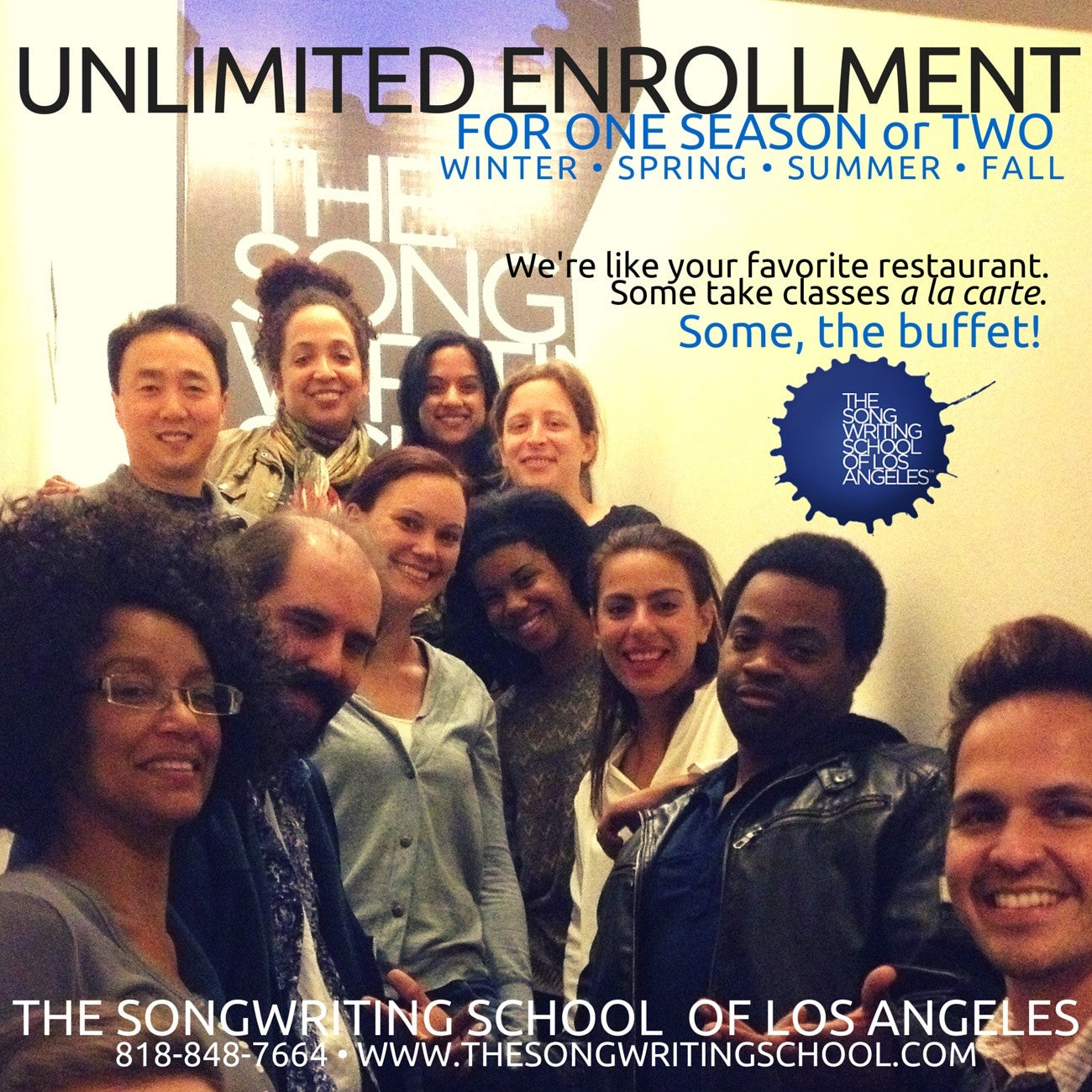
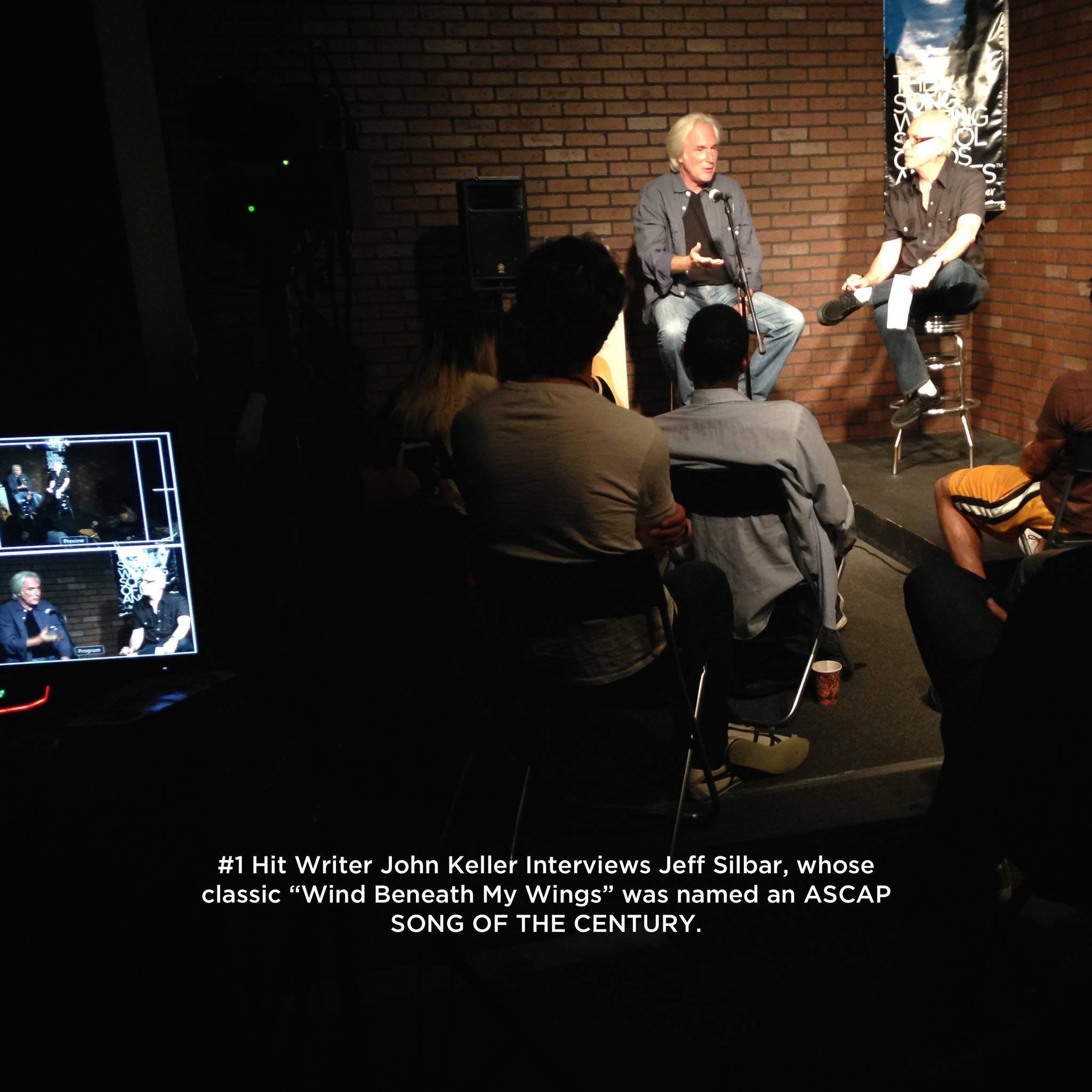
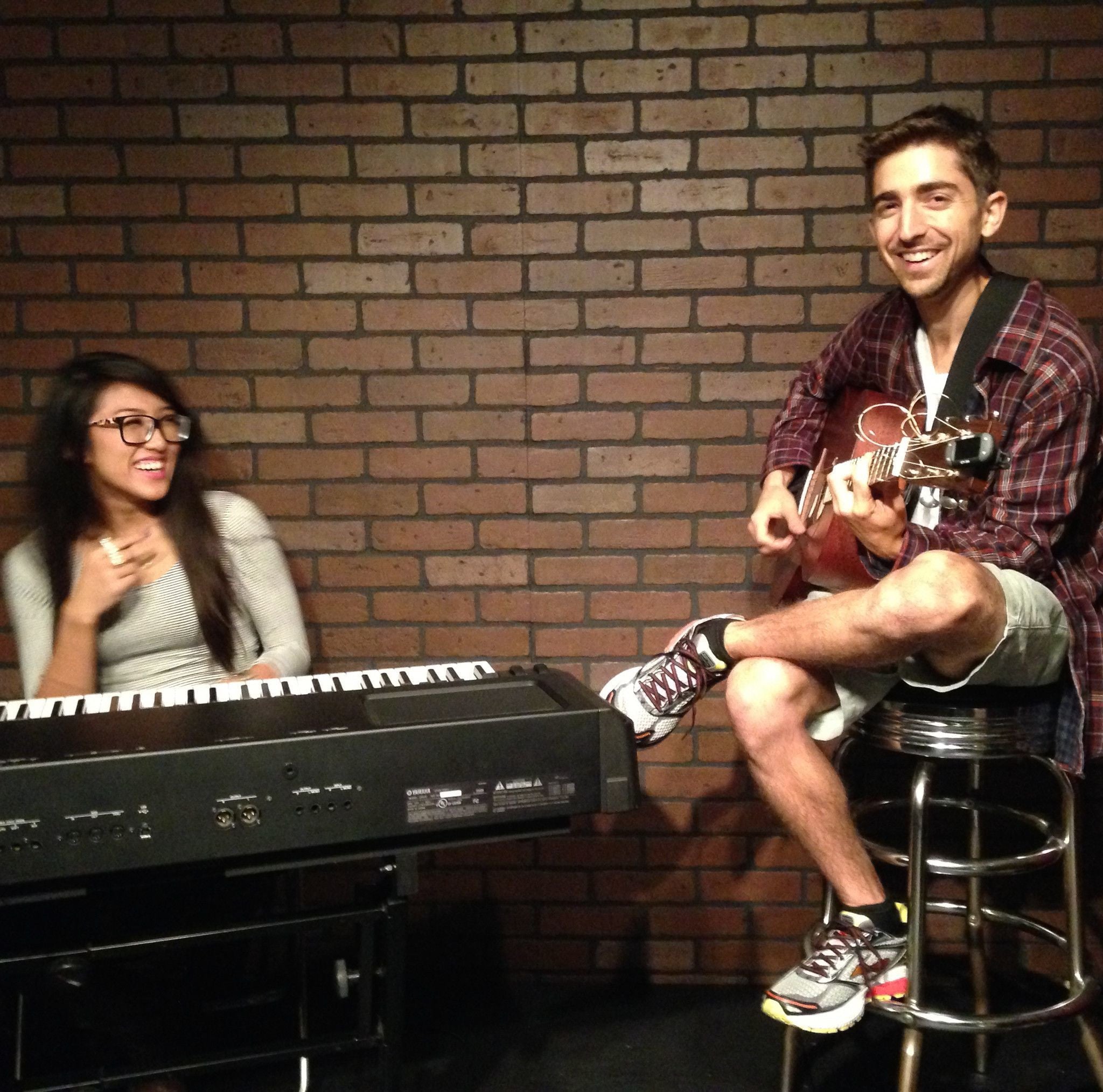
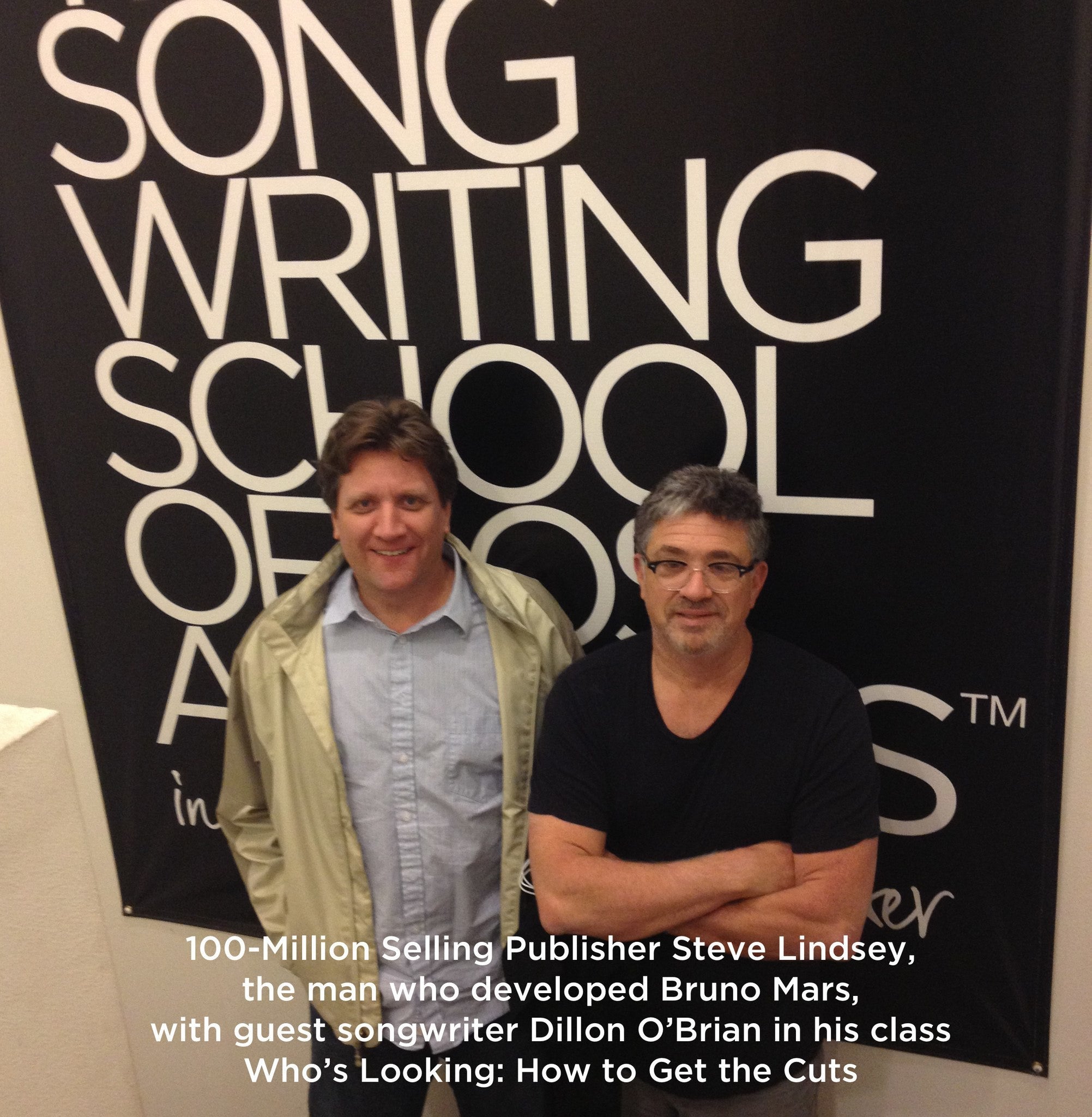
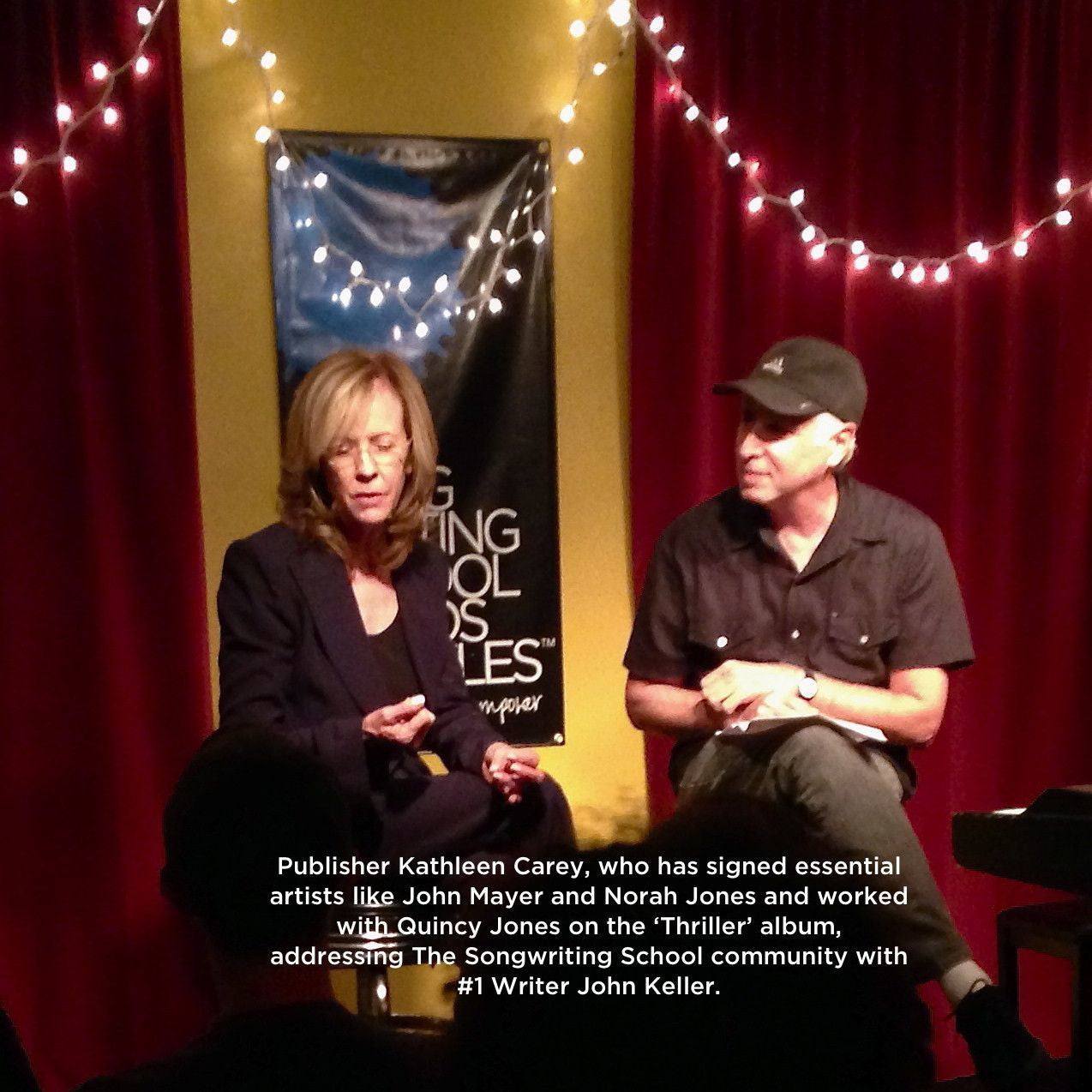
UNLIMITED ENROLLMENT For WINTER 2024 - One Season, Two, or Four (Winter • Spring • Summer • Fall)
$ 2,997.00 $ 4,297.00
All classes are offered ONLINE, both live in real-time with Zoom AND on-demand--and MANY classes are offered again in-person here in LA! WINTER 2024 FULLY-INTERACTIVE ONLINE CLASS OPTIONS FOR UNLIMITED ENROLLMENT STUDENTS: Writing Commercial Hit Lyrics ... View full details

WORDS & MUSIC, TEEN Songwriters Class - SPRING 2024 Thursdays 4:30-6pm PST - Starting 4/25; SUMMER Starting 6/12; SUMMER Intensive 7/8-12
$ 250.00 $ 500.00
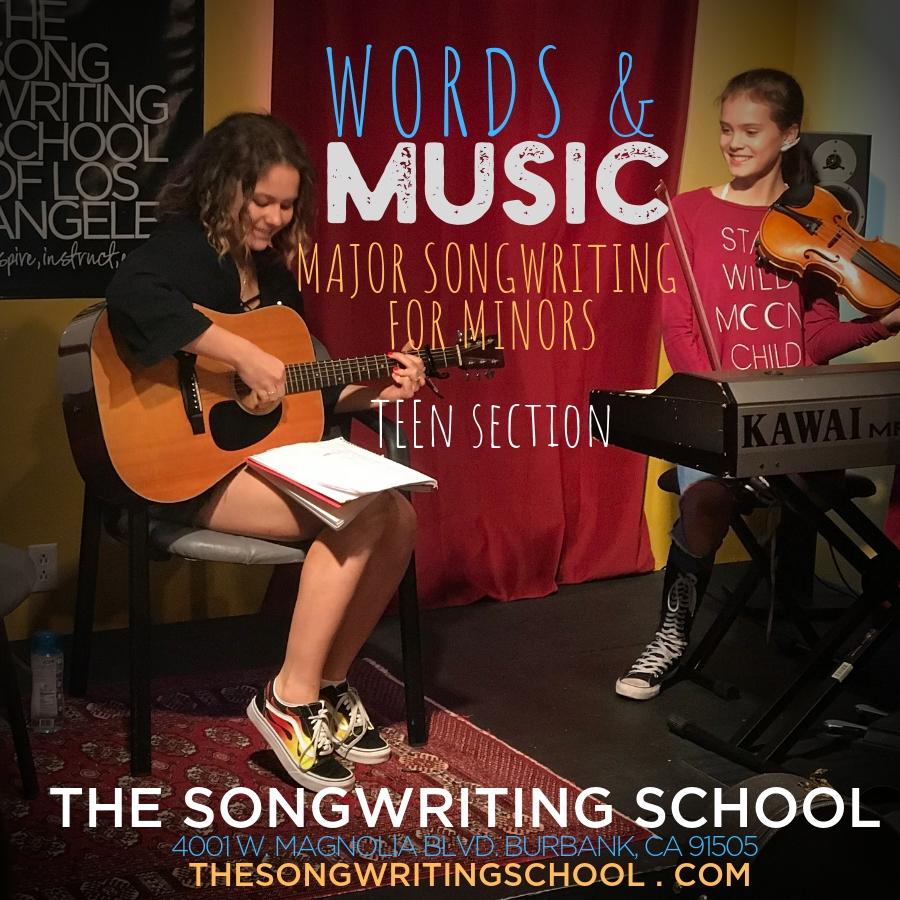
SPRING & SUMMER 2024 WEEKLY SONGWRITING CLASS FOR TEENS, over Zoom! LA Families: While we will meet over zoom in this weekly songwriting workshop, both Spring and Summer, there will be a week-long Intensive, July 8-12... View full details

Writing Commercial Hit Lyrics, with Platinum-Writer Mark Winkler - Returns for FALL 2024 IN-PERSON & OLINE - TUESDAY Nights 7:30p PDT Starting 10/1/24!
$ 599.00 $ 699.00
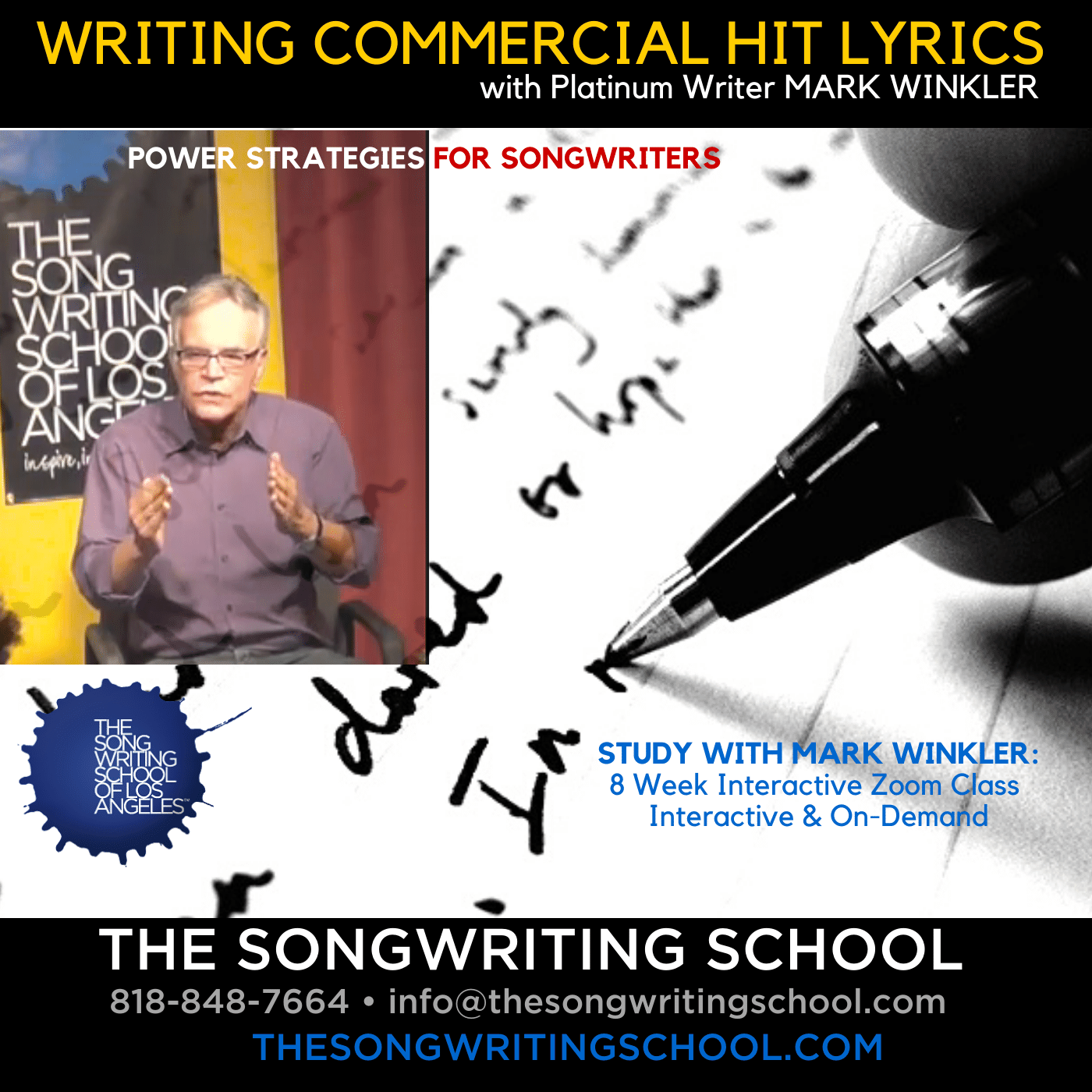
THIS BELOVED CLASS RETURNS FALL 2024, fully IN-PERSON and ONLINE OVER ZOOM and on-demand, TUESDAY nights 7:30pm Pacific STARTING 10/1/24! Watch Mark Winkler's great talk "A Song is Like a House" and get the handout... View full details


